

Everything Church Leaders Need to Plan a Meaningful, Memorable, and Well-Organized Retreat
By Mike Sokol, Owner, Orange Springs Retreat Center | CCCA Member
Planning a church retreat is one of the most impactful investments a ministry can make. Whether you’re organizing a youth retreat, men’s or women’s ministry weekend, leadership retreat, or all-church spiritual renewal gathering, stepping away from everyday routines and distractions creates space for deeper relationships, focused worship, and lasting spiritual growth.
A successful retreat doesn’t happen by accident. It requires clear purpose, thoughtful planning, and choosing a venue that supports — rather than competes with — your ministry goals.
This guide walks you through every major step: defining your purpose, setting a realistic budget, selecting the right venue, building a timeline, planning worship and recreation, and executing with confidence. Whether this is your first retreat or your fifteenth, these best practices will help your group create an experience people remember for years.

Why Church Retreats Matter
Church retreats offer something weekly services simply cannot: uninterrupted time together.
When a congregation steps away from work, school, phones, and daily responsibilities, people naturally engage more deeply. Conversations become richer. Worship becomes more intentional. Friendships strengthen. Leaders connect with members in ways that rarely happen on a typical Sunday morning.
Church retreats are especially valuable for:
- Youth Ministries & Student Leadership Teams
- Men’s and Women’s Ministries
- Worship Teams
- Young Adult Ministries
- Church Leadership Retreats
- Family Retreats
- Volunteer Appreciation Weekends
- Small Group Ministries
No matter the audience, the goal is the same: creating an environment where people can slow down, reconnect with God, and strengthen relationships within the church community.
Step 1: Define Your Purpose, Theme, and Audience
Before selecting a venue or announcing dates, determine exactly what you want the retreat to accomplish.
Ask:
- Who is attending and what are their spiritual needs?
- What outcomes are we praying for — deeper Bible study, worship, fellowship, leadership development, discipleship, or rest?
- What scripture or theme will tie the weekend together?
Every decision — from speakers to recreation — becomes easier when your purpose is clearly defined.
Step 2: Establish Your Budget Early
One of the most common planning mistakes is underestimating total costs.
Your budget should include:
- Facility rental + lodging
- Meals (with dietary accommodations)
- Transportation
- Guest speakers or worship leaders
- Worship/tech equipment
- Activity supplies or add-on programming
- Printed materials and welcome packets
- Scholarships or financial assistance
- Emergency contingency (8–12% recommended)
If participants will pay a registration fee, communicate pricing early and clearly. Many churches offer early-bird discounts or scholarships to maximize attendance.
Our rates (detailed in the pricing guide) are designed to be comprehensive.
Step 3: Choose the Right Retreat Venue
Your venue has more influence over the success of your retreat than almost any other decision. A beautiful location matters — but functionality and focus matter more.
When comparing retreat centers, ask:
- Will our group have exclusive use of the entire property?
- Are there enough comfortable, climate-controlled beds for everyone?
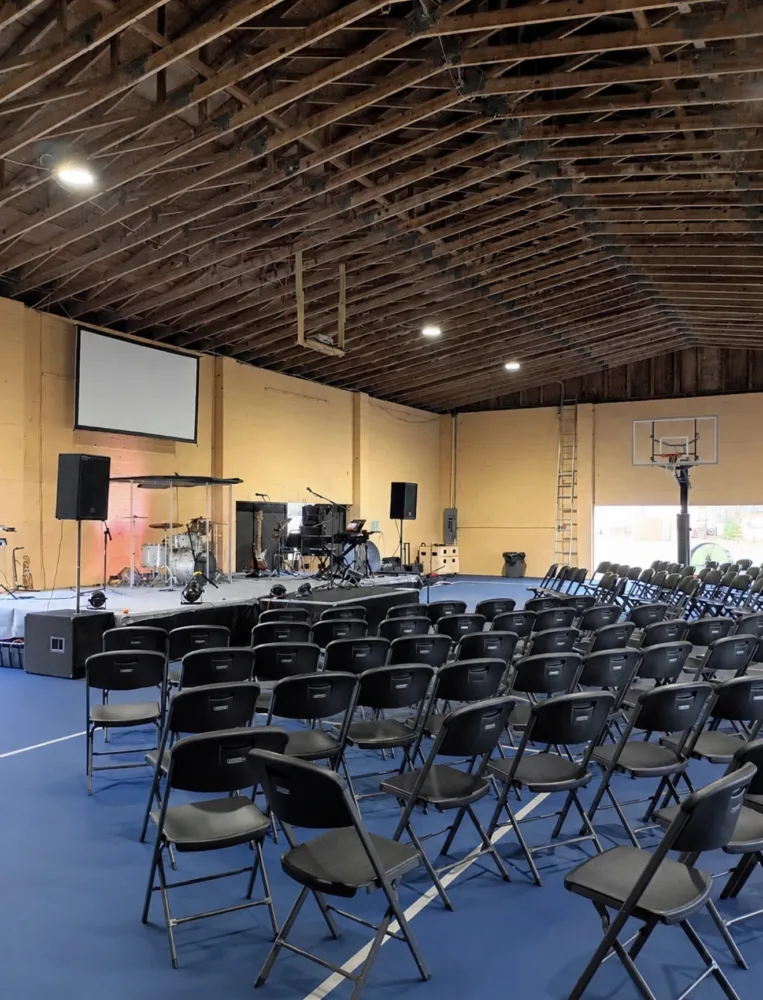
- Are meeting spaces flexible and suitable for worship and teaching?
- Can meals accommodate allergies and dietary restrictions?
- Are recreation areas included, with indoor backup for weather?
- Can buses and large vehicles easily access the property?
- Does the venue regularly host church groups and understand ministry needs?
The answers dramatically affect your group’s experience.
Why Exclusive-Use Retreat Centers Create Better Church Retreats
Many conference centers, camps, and hotels host multiple groups simultaneously. That often means sharing dining halls, recreation areas, parking, meeting rooms, and common spaces with strangers.
When your church has the entire property to itself:
- Worship feels more personal and focused
- Students and adults build stronger friendships without outside distractions
- Leaders enjoy complete scheduling flexibility
- Campfires, prayer sessions, and late-night conversations can continue naturally
- Everyone feels more comfortable knowing the campus belongs entirely to your group
For many ministries, exclusive use transforms a good retreat into an unforgettable one.
Step 4: Create a Planning Timeline
12 Months Before
- Reserve your venue (popular Florida weekends fill early)
- Set your budget and recruit your planning team
- Select speakers and confirm dates
6–9 Months Before
- Launch registration and begin collecting deposits
- Promote the retreat and reserve transportation
- Plan worship sessions and outline the schedule
3 Months Before
- Finalize the full schedule
- Collect medical forms and dietary restrictions
- Assign lodging and confirm meal counts
1 Month Before
- Finalize room assignments and transportation details
- Prepare welcome packets and review emergency procedures
One Week Before
- Confirm final attendance
- Print schedules and pack supplies
- Meet with volunteers and pray with your leadership team
Step 5: Build a Balanced Schedule
One of the biggest mistakes is scheduling every minute. The best retreats intentionally leave room for conversations, reflection, and spontaneous fellowship.
Sample Weekend Schedule
| Day / Time | Activities |
| Friday | Arrival • Dinner • Welcome & Icebreakers • Worship • Campfire Fellowship |
| Saturday Morning | Breakfast • Main Teaching/Session • Small Groups • Coffee Break • Outdoor Recreation |
| Saturday Afternoon | Lunch • Team Building or Free Time • Prayer Walks / Waterfront Activities • Sports |
| Saturday Evening | Dinner • Extended Worship • Guest Speaker or Testimony Time • Bonfire & Late-Night Fellowship |
| Sunday | Breakfast • Closing Worship & Communion • Personal Reflection & Sharing • Departure |
Step 6: Coordinate Worship and Technology
Talk with your venue early. Ask about microphones, speakers, projectors, screens, Wi-Fi reliability, stage/lighting options, and musical equipment availability.
Also plan smaller worship moments throughout the weekend — not just main sessions. Some of the most memorable worship experiences happen around a campfire, beside the lake, or during an early-morning prayer walk.
Step 7: Plan Great Meals
Food brings people together. Choose a venue that allows your leadership team to focus on ministry rather than cooking or coordinating vendors.
During registration, collect:
- Vegetarian, vegan, and gluten-free requests
- Dairy, nut, and other allergies
- Any religious dietary requirements
Planning ahead creates a better experience for everyone.
Step 8: Plan Recreation That Builds Community
Activities should strengthen relationships, not just fill time.
Popular and effective church retreat activities include:
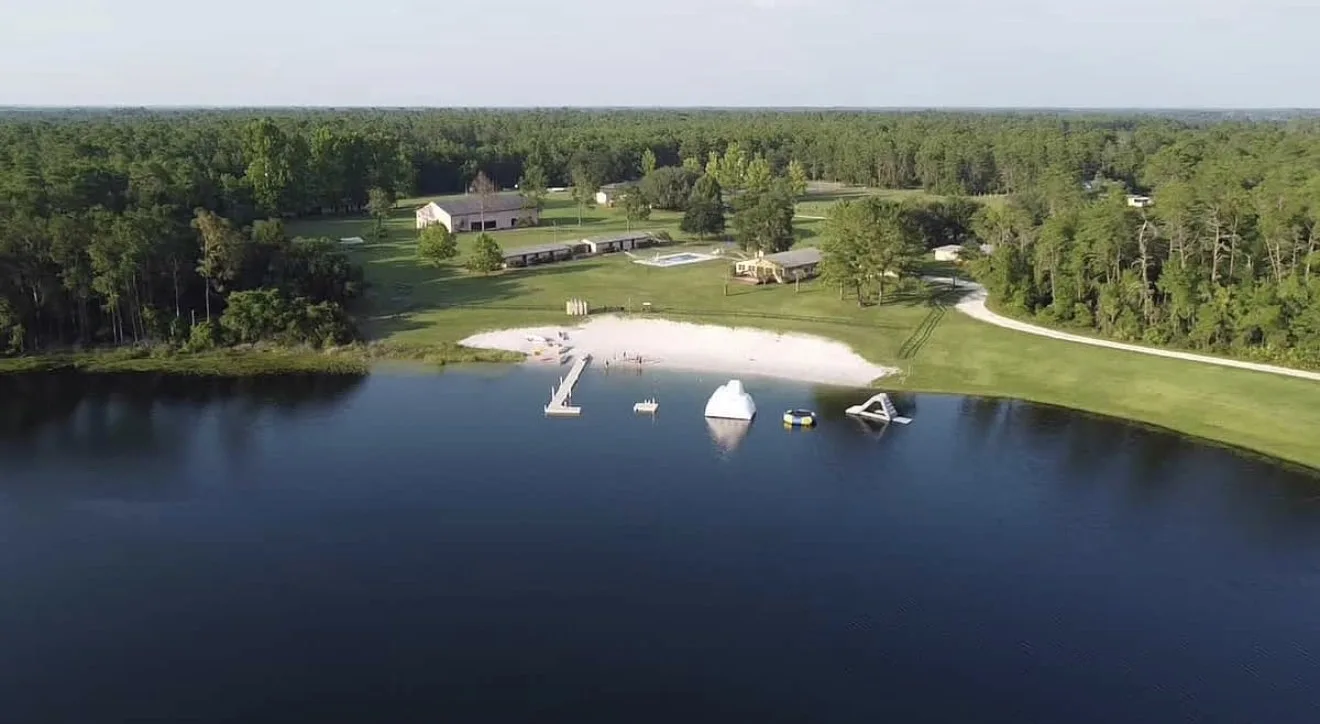
- Canoeing, kayaking, paddleboarding, and swimming (on a private spring-fed lake)
- Low and high ropes course / ziplines / rock climbing
- Team-building games and initiatives
- Archery, sports fields (basketball, volleyball, soccer)
- Campfires, small group discussions, and prayer walks
Choose activities that encourage interaction and conversation.
Step 9: Prioritize Safety
Every retreat should have a written safety plan that includes emergency contacts and procedures, medical forms and medication protocols, adult supervision and background check policies, weather contingency plans, and transportation safety and emergency communication.
Preparation creates peace of mind for parents, volunteers, and church leadership.
Step 10: Church Retreat Planning Checklist
Before leaving for your retreat, confirm:
- Venue reserved and contract signed
- Registration complete and deposits collected
- Budget finalized with contingency
- Transportation confirmed
- Room assignments and medical forms complete
- Dietary requests submitted to the venue
- Worship equipment and supplies packed
- Emergency contacts and procedures reviewed
- Volunteer assignments and packing lists distributed
- Final attendance verified
Frequently Asked Questions
How much does a church retreat typically cost?
Costs vary depending on group size, accommodations, meals, transportation, activities, and speakers. Planning early often provides the best selection of venues and dates. Many all-inclusive exclusive-use venues in Florida deliver strong value when everything is bundled.
When should we book our retreat for 2027?
Many popular spring and fall weekends are already reserving quickly. We recommend starting 9–12 months in advance for the best date selection and availability.
How far from home should our retreat be?
Most churches find that 1–3 hours away provides the perfect balance between convenience and creating a true “getaway” experience.
Should we stay at a hotel or a retreat center?
Hotels work well for conferences. Purpose-built retreat centers are generally better suited for worship, recreation, fellowship, and building community — especially when you have exclusive use of the property.
What does “exclusive use” mean?
Exclusive use means your church is the only group on the property during your retreat. There are no unrelated guests sharing dining halls, meeting rooms, waterfronts, sports facilities, or common spaces. This creates a more private, flexible, and distraction-free environment.
What should participants pack?
Most retreats require: Bible, notebook & pen, comfortable clothing & athletic shoes, swimsuit & towel, water bottle, flashlight, bug spray, sunscreen, rain jacket, prescription medications, and a reusable water bottle.
What to Look for in a Florida Church Retreat Venue
As you compare options, look beyond photos. Ask whether the venue offers true exclusive use of the entire property, comfortable overnight accommodations for your full group, chef-prepared meals with dietary accommodations included, indoor and outdoor meeting/worship spaces, recreation included with your stay (lake, sports, ropes, etc.), flexible spaces and reliable communication before arrival, and proven experience serving church and youth groups.
Choosing the right venue allows your leadership team to spend less time managing logistics and more time focusing on ministry.
Host Your Next Church Retreat at Orange Springs Retreat Center
- Review the full 2027 Pricing Guide for exact tables and options.
- Visit our Church & Youth Group Retreat page for more on how we serve faith-based groups.
For more than two decades, Orange Springs Retreat Center has welcomed churches from across Florida seeking a private, distraction-free place to worship, learn, and grow together.
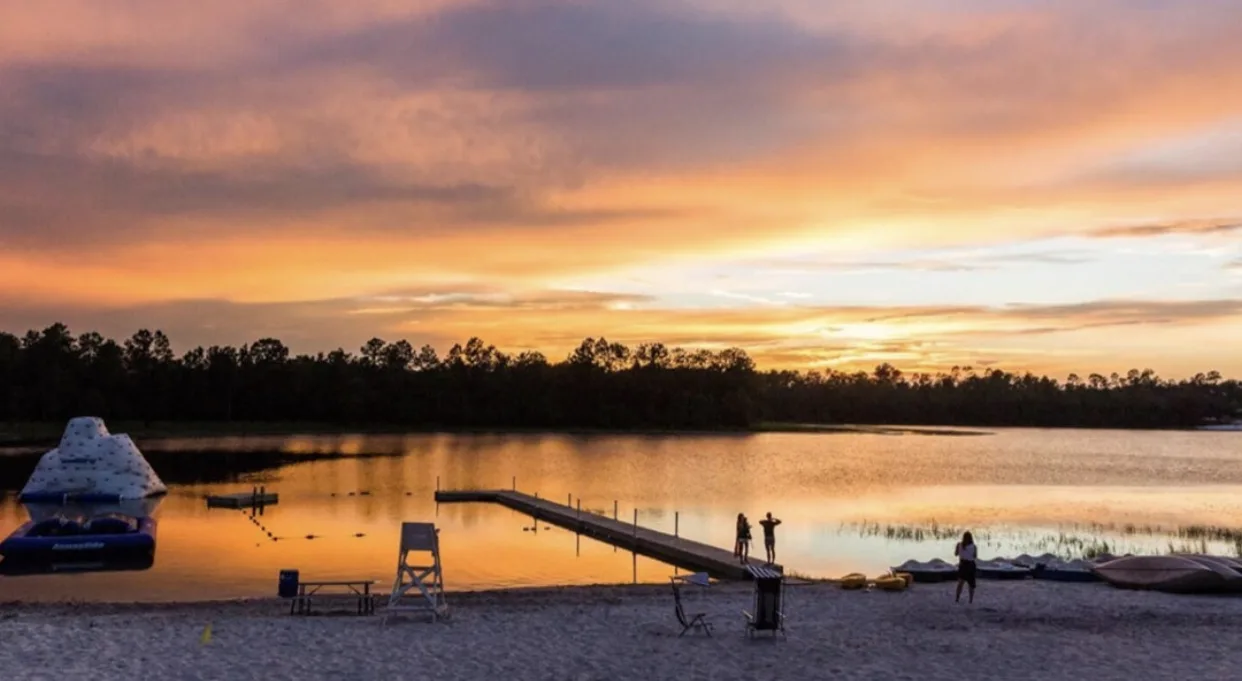
Located on more than 100 private acres in Central Florida bordering the Ocala National Forest, Orange Springs was designed specifically for exclusive-use group retreats. Your church enjoys private access to the entire campus — comfortable lodging, spacious meeting areas, chef-prepared meals with dietary accommodations, waterfront recreation on a spring-fed lake with white-sand beach, campfire gathering spaces, sports facilities, and more — all without sharing the property with outside groups.
Whether you’re planning a youth retreat, leadership retreat, men’s or women’s ministry weekend, or church-wide gathering, our experienced team is here to help make your retreat both meaningful and memorable.
Continue planning your 2027 retreat with these helpful guides:
- What Is Included When Renting a Summer Camp?
- How Much Does It Cost to Rent a Summer Camp in Florida?
- Can You Rent a Summer Camp for a Weekend?
- About Orange Springs Retreat Center
- Florida High School Retreats
- Florida Church Retreats
- Florida Youth Retreats
- Rent a Summer Camp in Florida
- Orange Springs Retreat Center Home
“Written by Mike Sokol, Owner of Orange Springs Retreat Center since 2002. With over 20 years of experience hosting youth camps and group retreats, Mike shares insights to help camp directors find the right venue.”
📞 561-221-7773
Located just south of Gainesville, Florida, Orange Springs Retreat Center offers Group Retreat Rentals, Fall & Spring School/Church Camp venue, and an ideal Summer Camp Location. What separates us from other retreat venues is true exclusivity:
“One Group At a Time Always- No Shared Spaces, No Outside Guests”
Orange Springs Retreat Center • 168 Camp Shalom Trail, Orange Springs, FL 32182 • (561) 221-7773