
A Practical Guide for Schools
Planning a high school weekend retreat is about more than finding a place for students to sleep for two nights.
The right retreat gives students a chance to step away from the normal school routine, spend meaningful time together, develop relationships, work toward a common goal, and experience something they will remember long after they return to campus.
For principals, deans, counselors, teachers, student-life directors, and retreat coordinators, however, there is another side to the equation: the retreat has to work logistically.
Students need comfortable accommodations. Adults need appropriate supervision and meeting space. Meals need to be organized. Activities need to fit the age and interests of the group. There needs to be a plan for bad weather. And the entire weekend needs to fit within the school’s budget and schedule.
Whether you are planning a senior retreat, freshman bonding weekend, student leadership retreat, class trip, or faith-based school retreat, the following framework can help.
Note on availability: Our 2026 calendar is fully booked with an active waitlist for cancellations. We are currently booking Fall 2027 through Summer 2028 high school weekends.
1. Start with the Purpose of the Retreat
Before choosing a venue or building an itinerary, decide what you want students to take away from the weekend.
A high school retreat might be designed to:
- Build class unity
- Welcome and connect incoming freshmen
- Prepare student leaders for the school year
- Strengthen relationships among students and faculty
- Develop leadership skills
- Give seniors a meaningful experience together
- Support spiritual formation or faith-based programming
- Create a stronger sense of school community
- Give students time away from the distractions of everyday school life
The purpose should determine the schedule. A leadership retreat, for example, may need more time for workshops, small-group discussions, and team-building. A senior class retreat may place greater emphasis on relationships, reflection, and shared experiences.
The best retreats do not simply fill every hour with activities. They create a rhythm between structured programming, recreation, meals, small-group time, and opportunities for students to connect naturally.
2. Choose a Retreat Format That Fits Your Group
A “weekend retreat” can take several forms. A typical format many schools use is:
Friday afternoon / evening
- Depart school
- Arrive at the retreat center and check into cabins
- Orientation
- Dinner
- Opening session
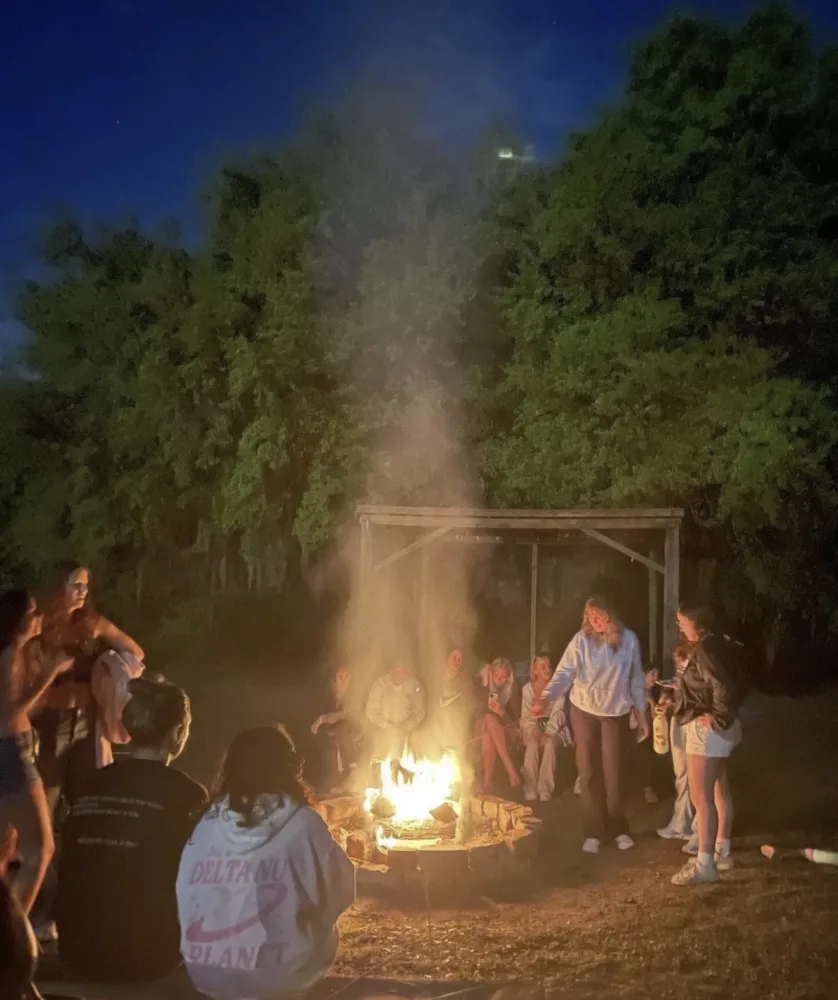
- Evening activity or campfire
Saturday
- Breakfast
- Morning session or team-building
- Outdoor activities / recreation
- Lunch
- Small groups or workshops
- Additional recreation
- Dinner
- Evening program + campfire or late-night activity
Sunday
- Breakfast
- Closing session and reflection
- Final activity or small groups
- Lunch (or packed lunches)
- Depart for school
The schedule can be shorter or longer depending on the school’s goals. For some groups, a Saturday-to-Sunday retreat works better. Others benefit from arriving Friday afternoon and having two full days together. The important thing is to avoid creating an itinerary so packed that students never have time to breathe.
3. Choose a Venue That Can Handle the Whole Experience
The retreat venue will influence almost every other decision you make. When evaluating a high school retreat venue, look beyond attractive photographs. Ask practical questions.
Can the entire group stay on the property? Are the accommodations appropriate for teenagers and adult chaperones? Are the meeting spaces large enough for the entire group? Are there smaller spaces available for breakouts? Are meals provided? Can dietary needs be accommodated? What happens if it rains? Are there activities students will actually enjoy? Is there enough space for students to spread out?
Will your group share the property with another school, camp, wedding, or retreat? That last question is especially important.
A venue that hosts multiple unrelated groups at the same time creates a very different experience from an exclusive-use retreat center. At an exclusive-use property, your school can use the campus as its own retreat environment rather than sharing common spaces with unrelated guests. For schools planning a larger overnight retreat, this can simplify scheduling, supervision, meals, activities, and the overall flow of the weekend.
4. Consider the Size of Your Group
Your group size should be one of the first things you discuss with a potential venue. A retreat for 40 students and a retreat for 180 students present very different logistical challenges.
Determine:
- Number of students
- Number of faculty and adult chaperones
- Number of cabins or rooms required
- Sleeping arrangements
- Meeting-space requirements
- Meal capacity
- Transportation requirements
- Activity capacity
If your group is large, ask how the venue handles meals, activities, check-in, and group movement. A good retreat center should be able to explain how a group of your size moves through the property without everything becoming complicated.
5. Plan Lodging and Adult Accommodations Early
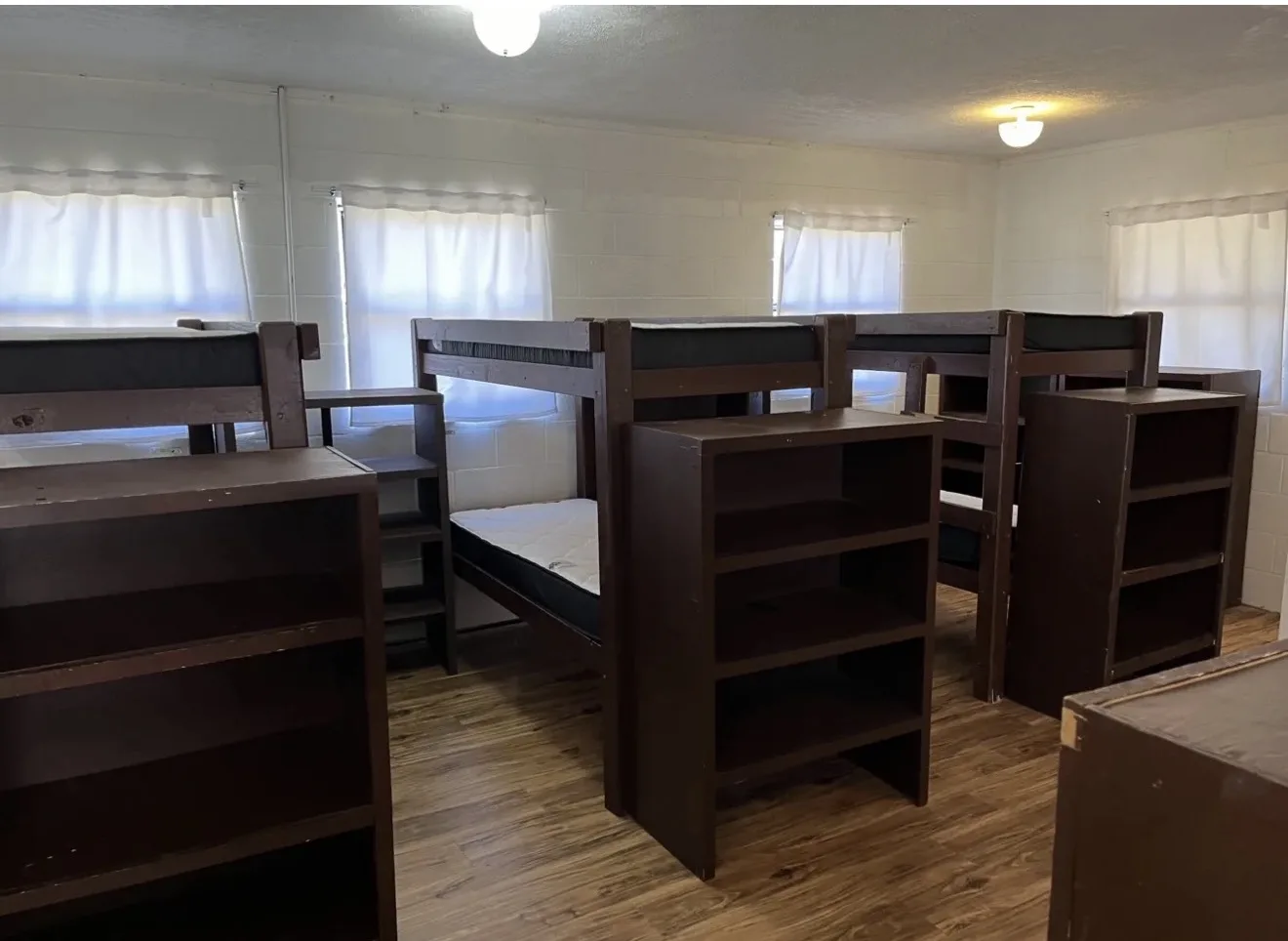
Overnight accommodations are one of the most important practical considerations for a school retreat.
Ask about:
- Number of beds
- Cabin or room configuration
- Bathrooms
- Air conditioning or heating
- Student sleeping arrangements
- Adult/chaperone accommodations
- Accessibility
- Linens and what students need to bring
- Check-in and checkout procedures
It is also helpful to establish the sleeping arrangement before you arrive. Create cabin or room assignments in advance and communicate expectations clearly to students and adults. A little planning before the bus arrives can prevent a great deal of confusion later.
6. Build the Program Around a Mix of Activities
High school students generally respond better to a retreat that gives them different ways to participate. Do not make the entire weekend a series of lectures.
Balance your program with:
- Large-group sessions
- Small-group discussions
- Team-building
- Outdoor recreation and sports
- Water activities
- Workshops
- Reflection
- Free time
- Evening activities
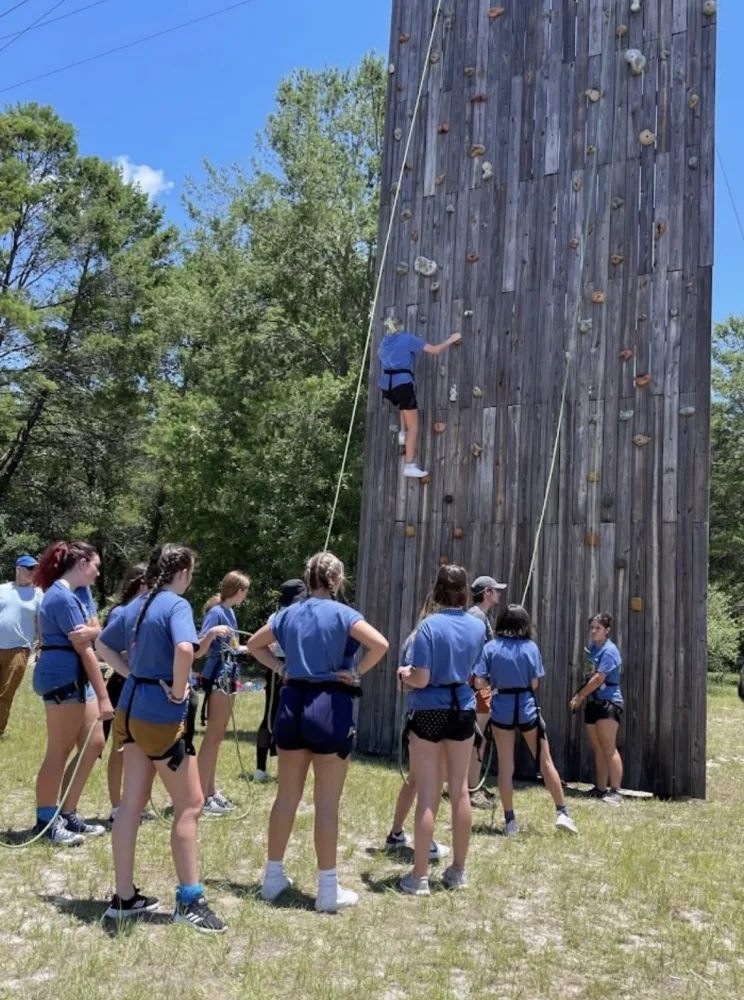
The activities should support the purpose of the retreat. For a leadership retreat, a challenge course or team-building activity can reinforce lessons about communication, trust, decision-making, and leadership. For a class-bonding retreat, recreational activities may simply give students a chance to interact outside their normal social circles.
The goal is not to keep students busy every minute. The goal is to create opportunities for meaningful interaction.
7. Plan for Weather
Florida weather can change quickly, so every outdoor retreat should have a backup plan.
Before booking a venue, ask:
- What indoor spaces are available if it rains?
- Can the entire group gather indoors?
- Are there indoor recreational options?
- Can meals and programming continue without disruption?
- Is the schedule flexible enough to move outdoor activities?
A good retreat venue should allow you to adjust the itinerary without rebuilding the entire weekend. At Orange Springs Retreat Center, for example, schools can combine outdoor activities on the private property with indoor meeting and gathering spaces, allowing the weekend to continue even when weather changes the schedule.
8. Plan Meals and Dietary Requirements in Advance
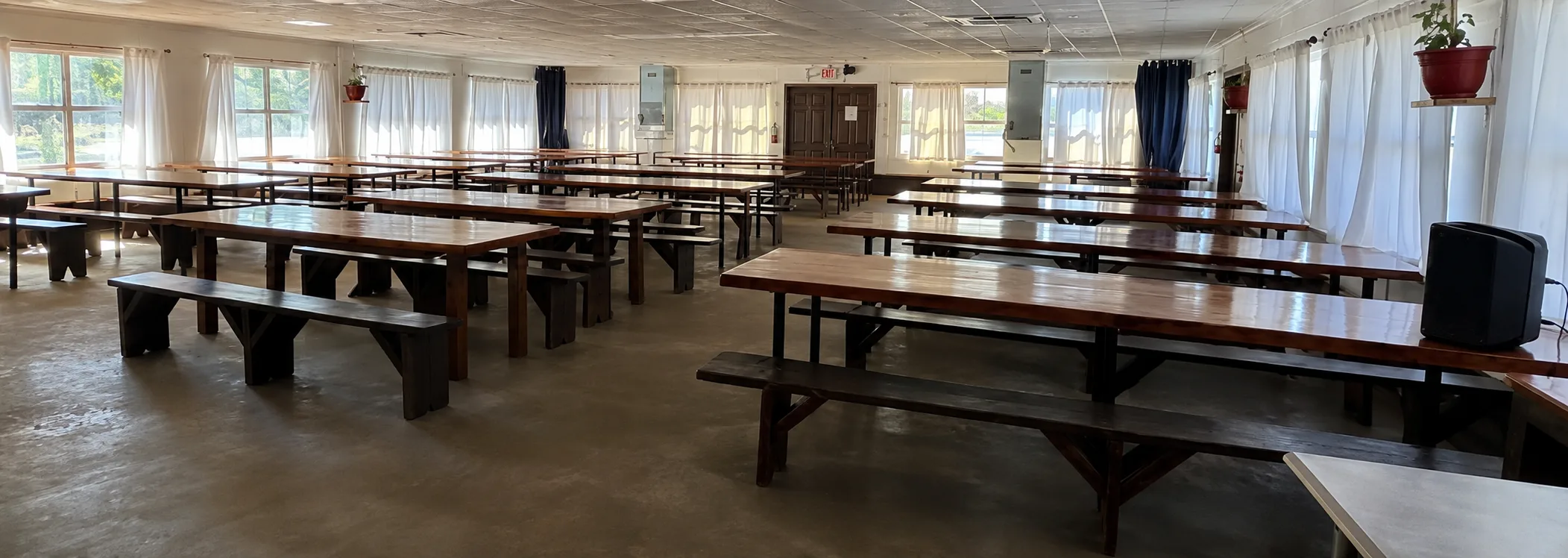
Food becomes a much bigger logistical issue when you are feeding a large group of teenagers.
Before the retreat, determine:
- Number of meals included
- Meal schedule
- Beverage options and snacks
- Vegetarian requirements
- Food allergies and other dietary restrictions
- How meals are served
- Whether students need to bring anything
It is much easier to address dietary requirements before the retreat than after students arrive. A venue that provides meals can also remove a major logistical responsibility from the school’s staff. Instead of organizing food deliveries, restaurant orders, coolers, and individual meals, your retreat team can focus on the students and the program.
9. Create a Clear Communication Plan
Parents and students should know what to expect well before departure.
Provide information about:
- Departure and return times
- What students should pack
- Sleeping arrangements
- Clothing and weather
- Phones and electronics policy
- Medications
- Food and dietary requirements
- Emergency contact procedures
- Behavioral expectations
- Activity requirements
A simple pre-retreat information sheet can eliminate many questions. It can also help students arrive prepared rather than spending the first few hours of the retreat figuring out basic logistics.
10. Give Students Some Ownership of the Experience
A retreat does not have to be entirely adult-directed. Depending on the purpose of the weekend, consider giving students meaningful responsibilities.
Students might:
- Lead an opening activity
- Facilitate a small group
- Organize a team challenge
- Lead worship or reflection
- Present a workshop
- Help with a service project
- Lead an evening activity
- Participate in a student leadership panel
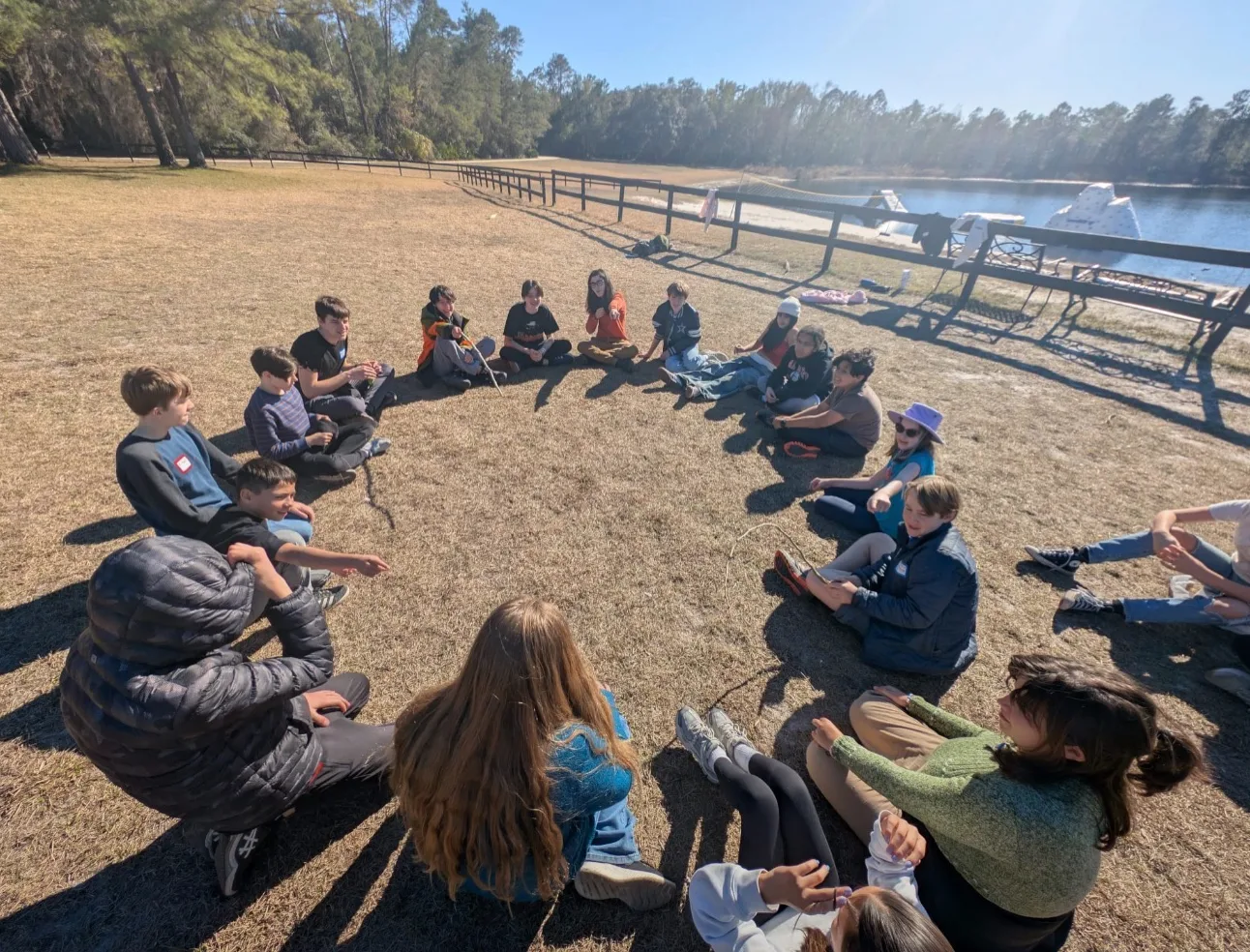
This can be particularly effective for student leadership retreats and senior retreats. When students have a role in creating the experience, they are more likely to see the retreat as something they are participating in rather than something being done to them.
11. Make the Opening Session Matter
The first hour of the retreat establishes the tone for the entire weekend. Do not treat arrival as simply “check in, eat dinner, and start the activities.”
Give students a clear explanation of why they are there. Tell them:
- Why did the school organize this retreat?
- What should they expect?
- What do you hope they will take away?
- What is different about this weekend?
- What does it mean to be part of this particular class or group?
A strong opening gives the weekend a sense of purpose.
12. Make the Closing Session Just as Intentional
The retreat should not simply end when everyone gets on the bus. Give students time to reflect on what happened.
Depending on your program, the closing session might include:
- Personal reflection
- Small-group discussion
- Student commitments
- A final message from faculty
- Recognition of student leaders
- A class activity
- Prayer or worship for faith-based schools
- A written reflection
- A discussion of what students want to carry back to school
The most successful retreats create a bridge between the retreat experience and everyday school life.
13. Don’t Underestimate the Value of Free Time
It can be tempting to fill every available minute. Resist that temptation.
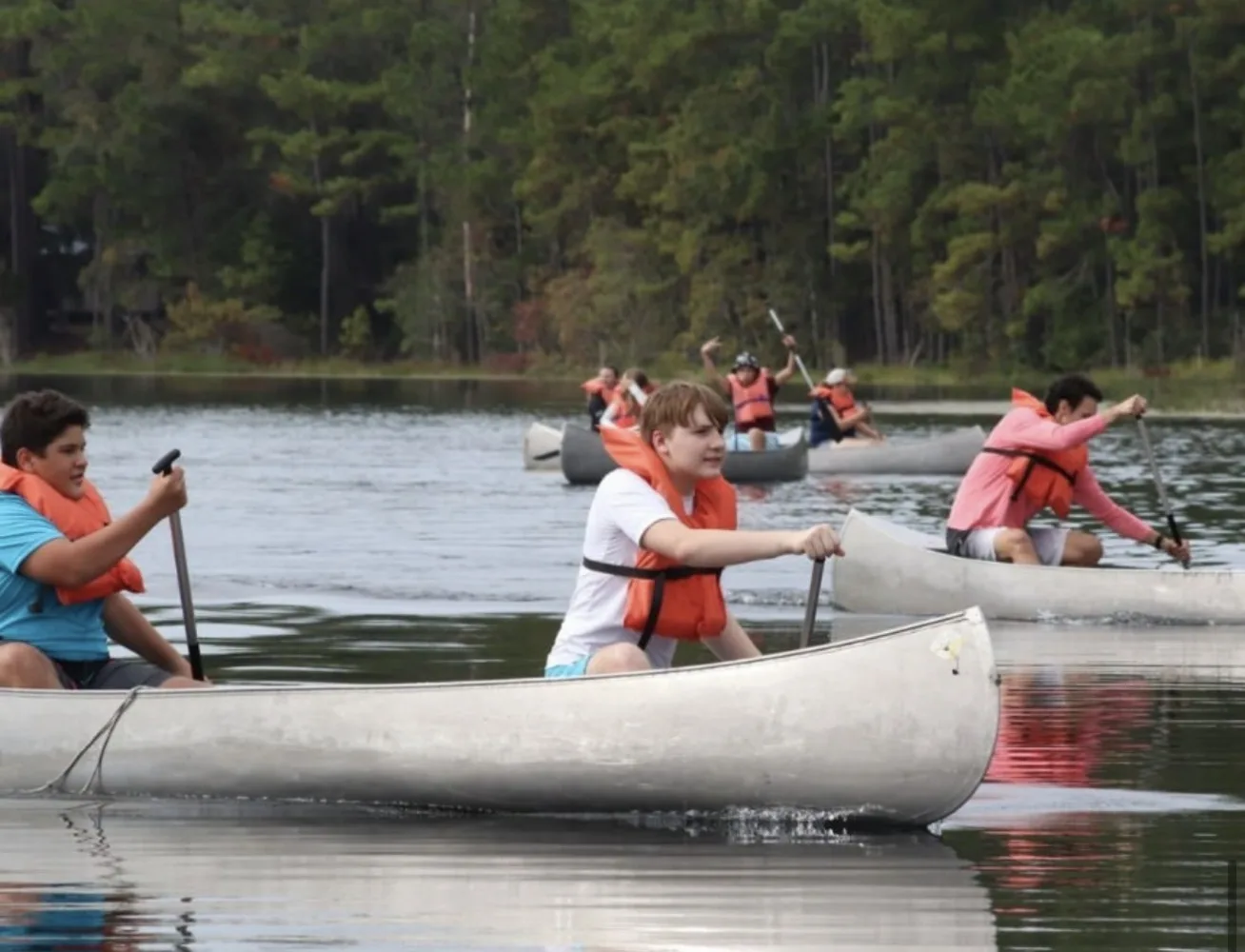
Some of the most valuable moments of a high school retreat happen when students are simply talking, playing, walking, sitting around a campfire, or enjoying an activity together.
Students spend much of their school lives moving from one scheduled obligation to another. A retreat should give them some room to connect without every interaction being directed by an adult.
14. Ask the Right Questions When Comparing Retreat Centers
When evaluating possible venues, create a simple comparison based on the things that actually matter to your school.
Ask each venue:
- Is the property exclusive to our group?
- What is the minimum and maximum group size?
- How many students can sleep on-site?
- What are the sleeping arrangements?
- Are cabins climate-controlled?
- What meeting spaces are available?
- Are meals provided?
- Can dietary restrictions be accommodated?
- What activities are included?
- Which activities require additional fees or facilitation?
- What indoor options are available for bad weather?
- How much time will our staff spend managing logistics?
- How close is the venue to our school?
- Is there adequate bus access and parking?
- How far in advance should we reserve our preferred weekend?
- What is included in the total cost?
These questions will tell you much more than a venue’s brochure or photo gallery.
15. Consider an Exclusive-Use Retreat Center
For schools planning an overnight retreat, one of the most important distinctions is whether the property is exclusive-use.
At an exclusive-use retreat center, your school is not sharing the campus with another unrelated group. That means your students can move between meals, activities, meetings, recreation, and evening programs within one private environment.
Orange Springs Retreat Center was designed around this model. The entire property is reserved for one group at a time, allowing schools to use the campus as their own retreat environment.
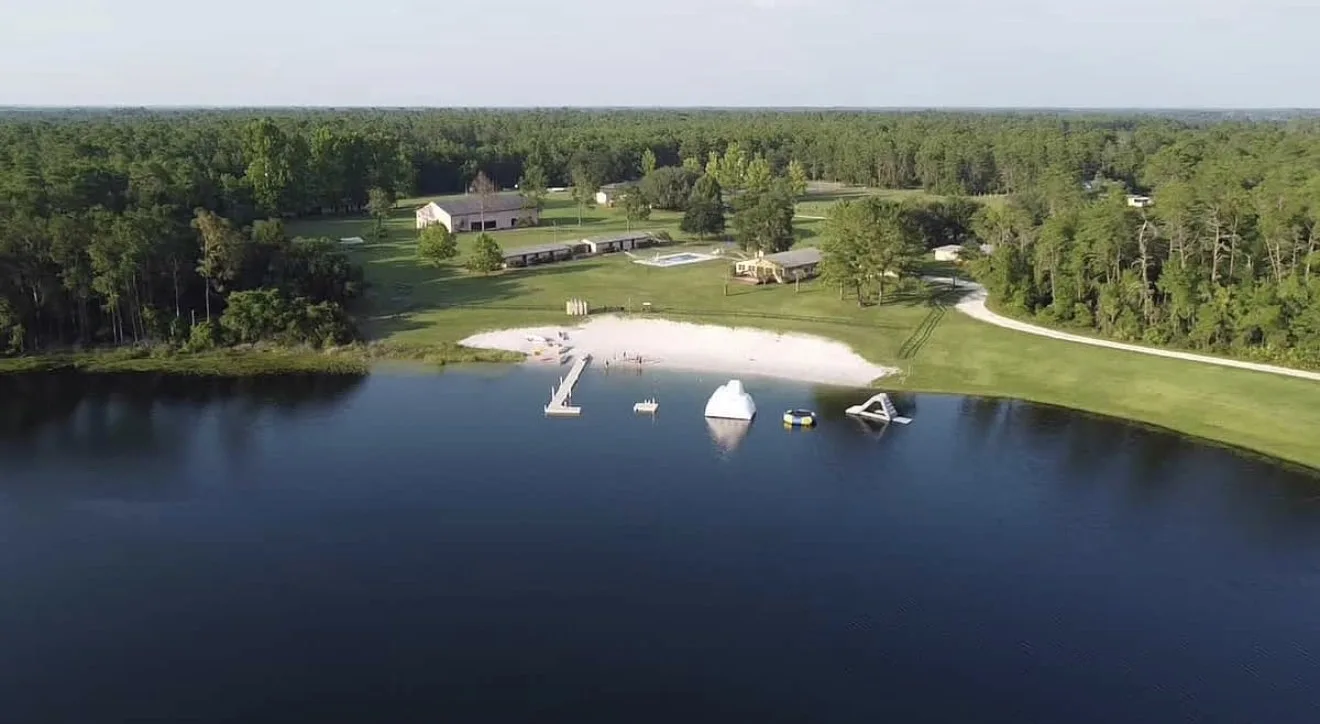
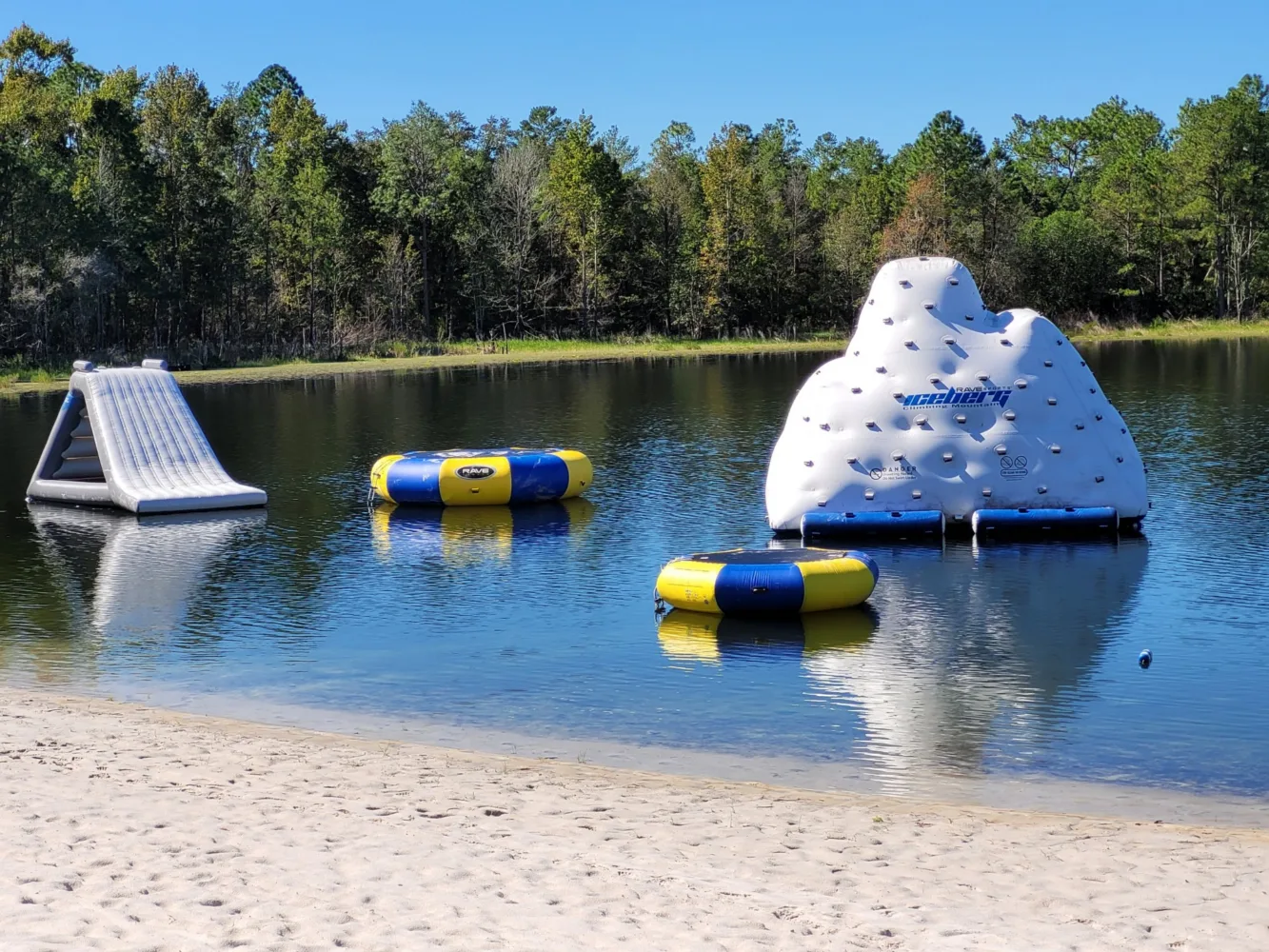
The property includes more than 100 private acres on the edge of the Ocala National Forest, a spring-fed lake with a sandy beach, climate-controlled cabins, meeting and gathering spaces, dining facilities, sports areas, water activities, challenge courses, trails, and spaces for evening gatherings.
For high school groups, the combination is important: students have plenty to do, while administrators have a single location for lodging, meals, programming, and recreation.
Orange Springs regularly works with schools and student groups for experiences including senior retreats, freshman bonding weekends, leadership retreats, honor society retreats, class retreats, and faith-based school programs.
16. Plan the Weekend, But Leave Room for the Experience
The best high school retreats are organized without feeling over-programmed.
Have a clear schedule. Know where everyone needs to be. Assign responsibilities. Plan meals and accommodations. Have a weather backup. But leave enough flexibility for the weekend to develop naturally.
Students may connect during an unexpected conversation. A team-building activity may lead to a discussion you did not anticipate. A campfire may become the most memorable part of the entire retreat.
Those moments are difficult to put on a spreadsheet. That is one of the reasons the venue matters so much. The right environment gives students room to step outside their normal routine while giving the adults responsible for the retreat the structure and logistics they need.
Planning a High School Weekend Retreat in Florida?
If you are looking for a private high school retreat venue in Florida, Orange Springs Retreat Center offers an exclusive-use setting for groups of 60–200+ guests.
Located on more than 100 private acres near the Ocala National Forest, Orange Springs combines overnight accommodations, meals, meeting spaces, outdoor recreation, water activities, sports, team-building opportunities, and private use of the entire property.
Your school brings the students and the program. We provide the setting, facilities, meals, lodging, and activities that make the weekend possible.
Whether you are planning a senior class retreat, freshman bonding weekend, student leadership retreat, honor society retreat, or another high school group experience, the goal is the same: Create enough distance from everyday school life for students to reconnect with one another, think differently, and return to school stronger as a group.
Our 2026 calendar is fully booked. We are now accepting inquiries for Fall 2027 and beyond.
Call or text 561-221-7773 or contact us to discuss your group, preferred dates, and retreat goals.
You can also review more details here: Florida High School Retreat.
ORANGE SPRINGS RETREAT CENTER
Exclusive-Use Retreat Venue in Central Florida
Groups of 60–200+ | 100+ Private Acres | One Group at a Time
Lodging • Meals • Meeting Spaces • Activities