What Makes a Great Church Retreat Location? 7 Factors That Actually Matter
Choosing a location for a church retreat is one of the most important decisions a ministry leader makes. The right setting can support deeper conversations, better focus, and stronger relationships. The wrong setting can leave the group competing with other organizations for space, schedule, and attention.
Many articles focus almost exclusively on the beauty of nature. Nature matters, but it is rarely the deciding factor. Experienced planners look for a combination of privacy, practical facilities, and an environment that actually removes everyday distractions.
Here are seven factors that consistently matter when evaluating a church retreat location.

Quick Answer
A great church retreat location combines privacy, adequate lodging and meeting space, reliable meals, activities, convenient transportation, and an environment that removes everyday distractions. For many groups, the most important factor is whether the property is exclusive to their group rather than shared with other organizations.
1. Privacy and Exclusivity
A retreat is supposed to remove people from their normal environment. But if your church is staying at a venue where other groups are using the dining hall, swimming pool, meeting rooms, or waterfront, you have only partially escaped the distractions of everyday life.
Exclusive use means your group is the only group staying at and using the property during your retreat. That means no unrelated organizations sharing the dining hall, waterfront, meeting spaces, pool, or other facilities.
When one group occupies the entire campus, leaders gain full control of the schedule and the atmosphere. There are no competing events, no shared facilities, and no outside interruptions.
At Orange Springs Retreat Center, exclusive use is the standard model: one group at a time, no shared spaces, and no outside guests. That privacy creates the conditions for more focused teaching, deeper fellowship, and better supervision — especially for youth groups.
For a fuller explanation of why exclusive-use venues tend to produce better outcomes, see Why Exclusive-Use Retreat Venues Create Better Outcomes.
2. A Setting That Removes Everyday Distractions
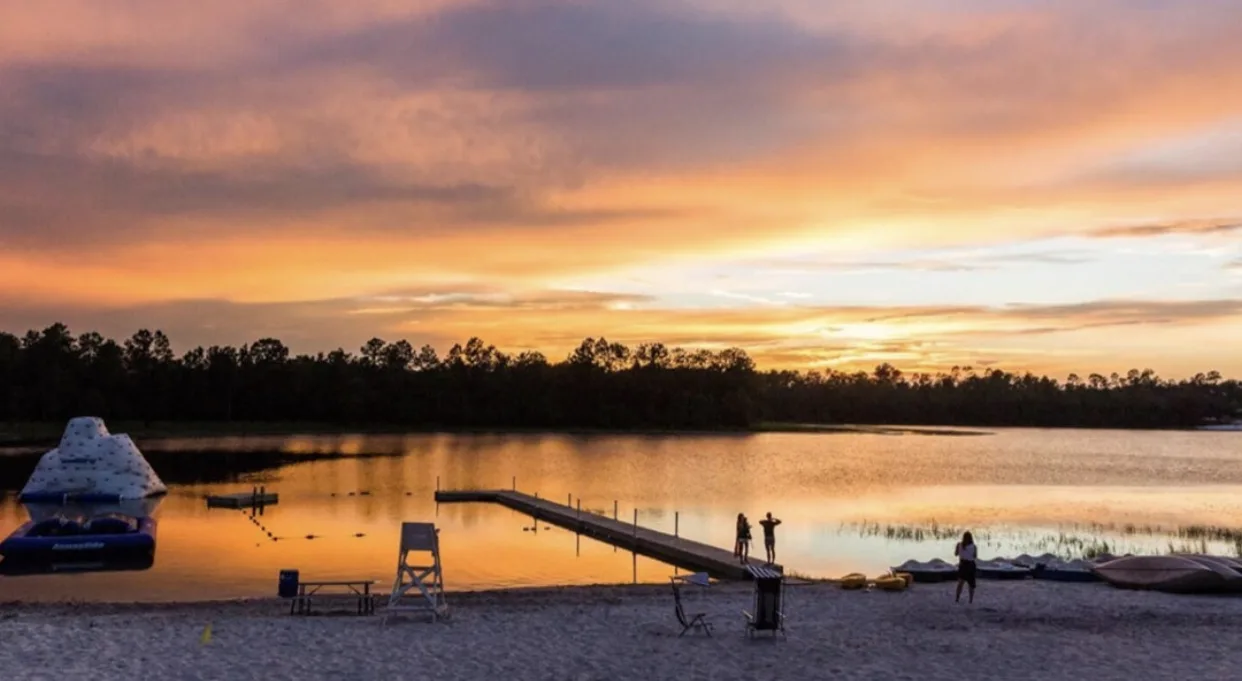
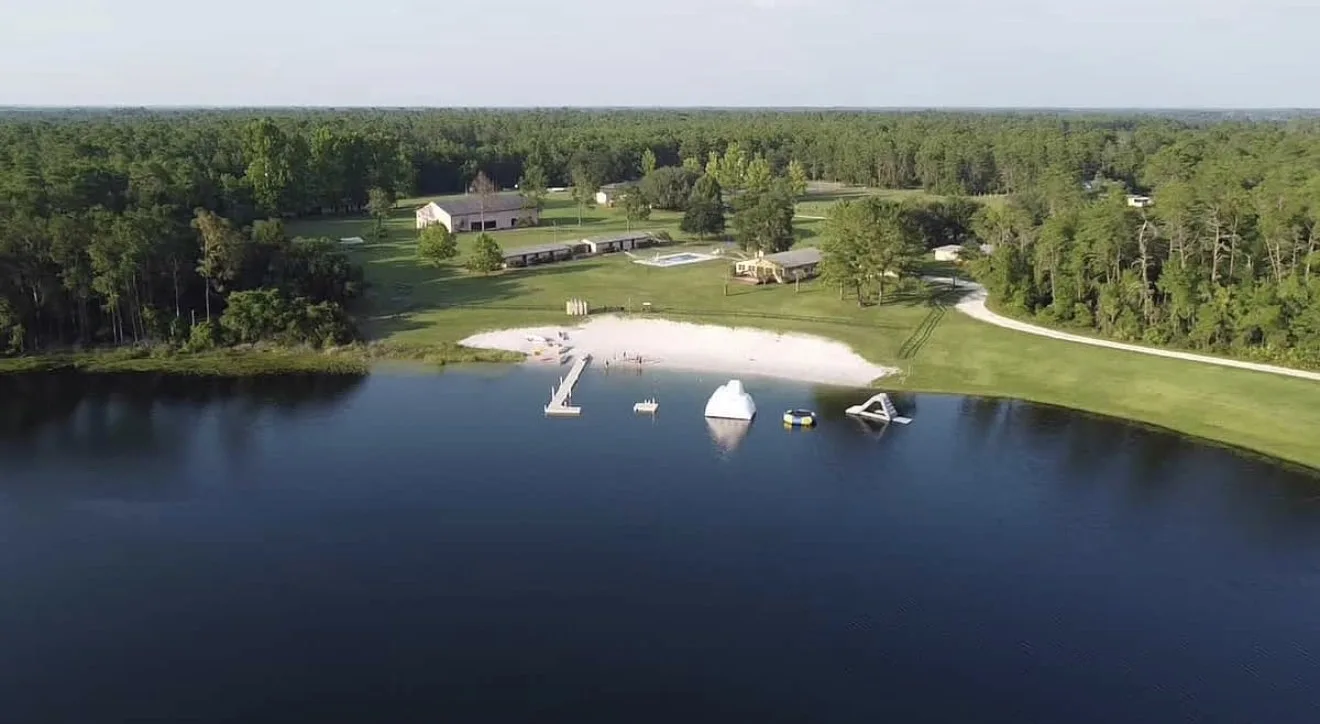
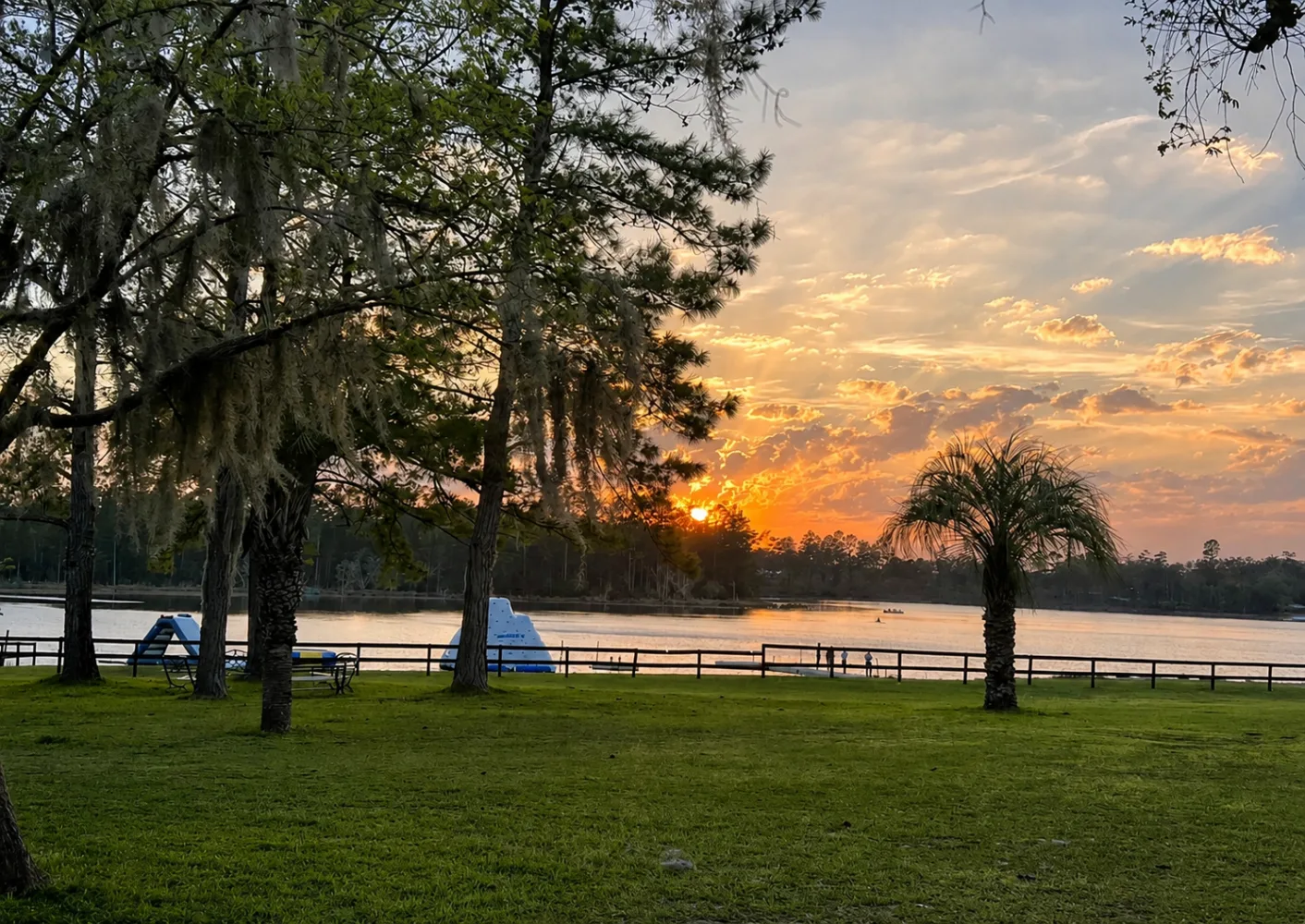
Natural settings help because they create distance from the noise of daily life. A spring-fed lake, white-sand beach, open fields, trails, and quiet outdoor spaces give people room to slow down and be present with one another.
The value is not simply that the property is pretty. The value is that the environment supports the purpose of the retreat — whether that is teaching, reflection, relationship-building, or rest.
When combined with exclusive use of the campus, the natural setting becomes far more effective.
3. Enough Space for the Entire Group
Capacity is a practical issue that often gets overlooked until late in the planning process. A venue that can comfortably host 60–200+ guests with climate-controlled lodging, adequate dining, and flexible meeting space reduces friction and keeps the group together.
Ask early: Can the property handle our full group size without splitting people across multiple locations or shared facilities?
4. Worship and Meeting Facilities
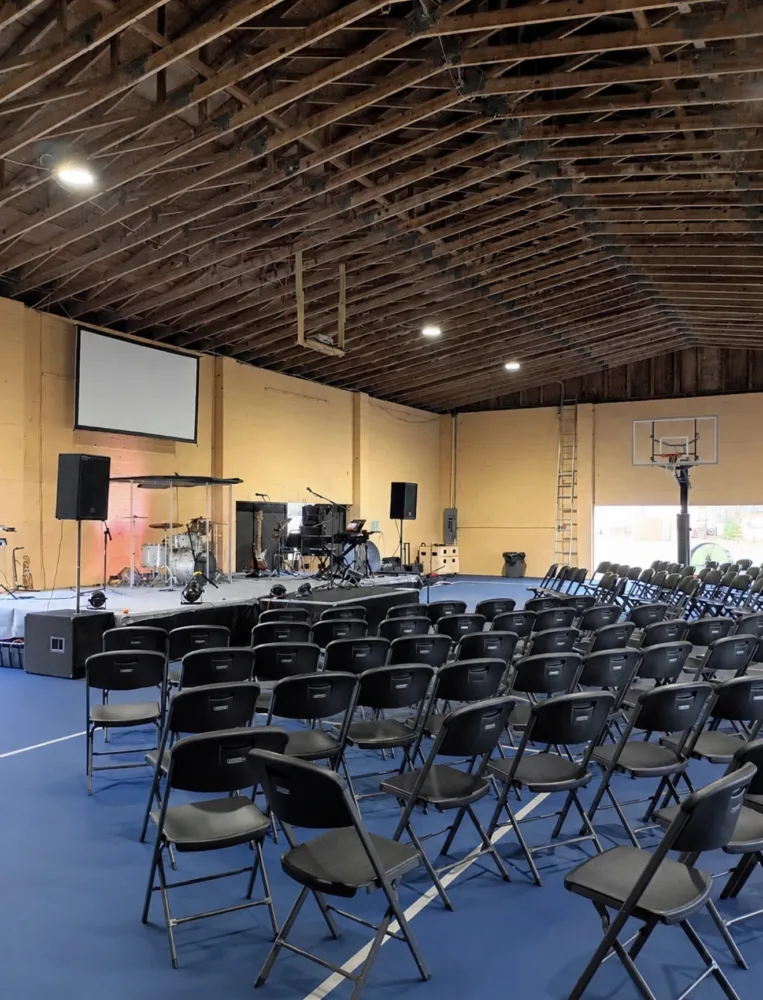
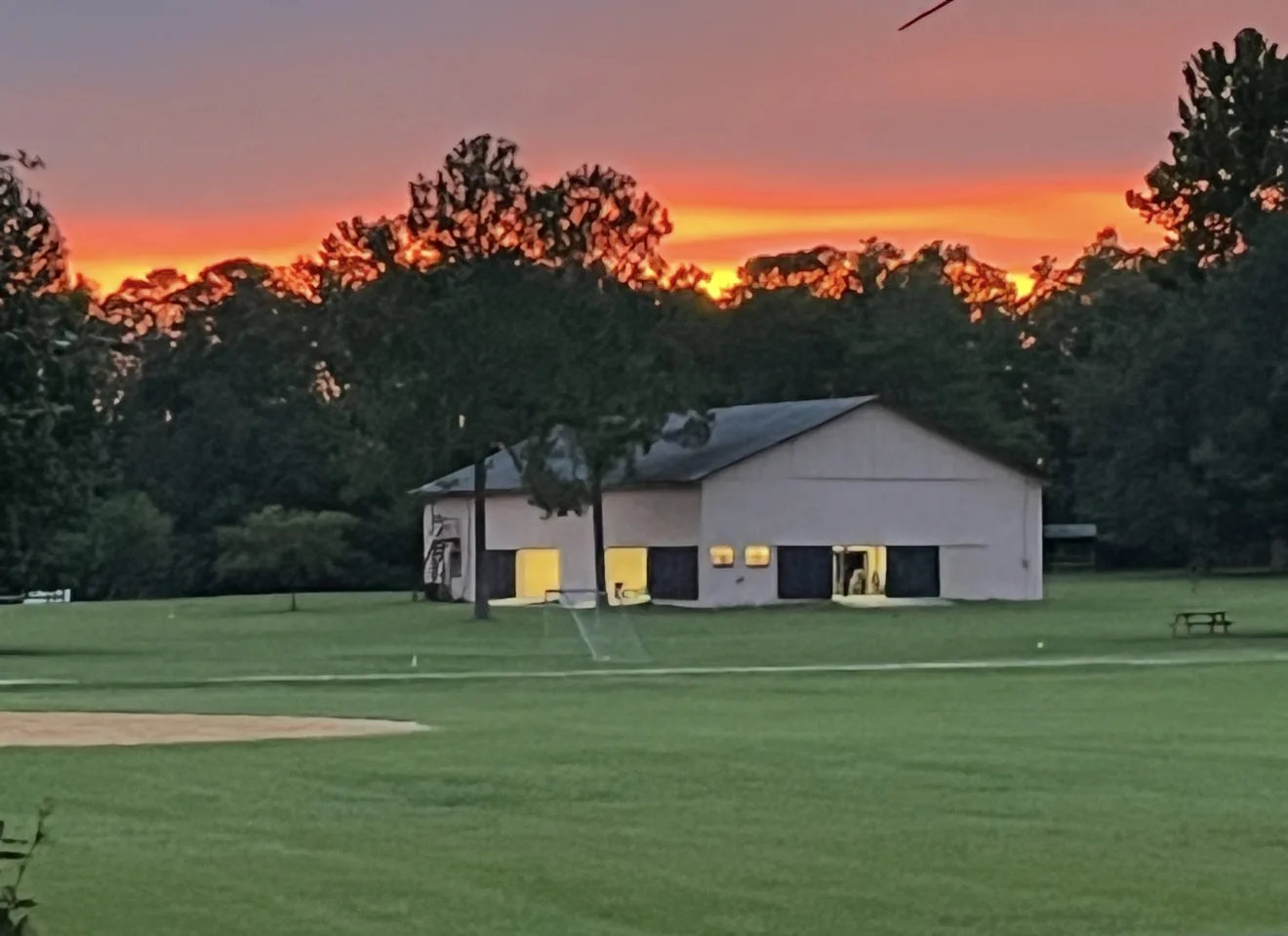
Most church retreats need more than outdoor space. They need indoor areas suitable for teaching, worship, small groups, and large gatherings — ideally with reliable AV capability and enough rooms for concurrent sessions.
Flexible meeting spaces allow the schedule to adapt to the needs of the group rather than forcing the group to adapt to limited facilities.
5. Activities That Encourage Fellowship
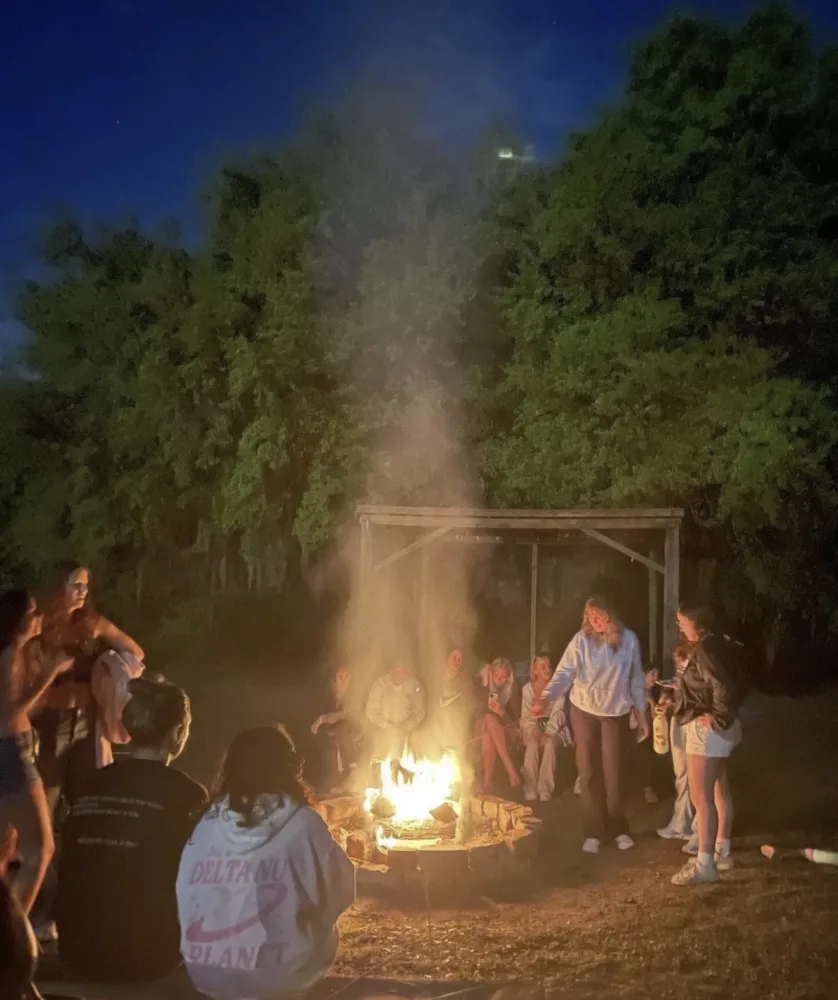
Recreation is not the main purpose of a church retreat, but well-chosen activities create natural opportunities for relationship. Waterfront time, sports, campfires, ropes elements, and open fields often produce some of the most meaningful informal conversations of the weekend.
The key is that these activities remain available exclusively to your group so the schedule stays flexible and the atmosphere stays focused.
6. Comfortable Lodging and Meals
People rest better and engage more fully when lodging is climate-controlled and meals are reliable. Chef-prepared food that can accommodate dietary needs removes a major source of stress for both leaders and participants.
Ask whether meals are included, whether dietary restrictions can be handled, and whether the lodging is suitable for the age groups you are bringing.
7. Convenient Location and Transportation
A retreat location should feel removed without being impractical. Easy access from major cities, clear bus access, and reasonable drive times reduce friction for families and leaders.
Orange Springs is located just south of Gainesville, approximately 35–40 minutes from Ocala and Gainesville Regional Airport, with convenient driving access from Jacksonville and Orlando airports.
The Right Setting Depends on the Type of Church Retreat
Not every church retreat has the same needs.
Youth Retreats
Need strong supervision, flexible activity space, and an environment where students can build relationships without outside interruptions.
Men’s and Women’s Retreats
Often emphasize fellowship, teaching, reflection, and relaxed recreation in a quieter setting.
Church Leadership Retreats
Benefit from private meeting space, minimal distractions, and an environment conducive to strategic conversation and prayer.
Church Staff & Ministry Team Retreats
Benefit from private meeting space, minimal distractions, and an environment conducive to strategic planning, prayer, team development, and confidential conversations.
Whole-Church or Multi-Generational Retreats
Require enough lodging, dining capacity, worship space, and recreation options to keep a larger group together.
For a more detailed look at how exclusive-use venues serve different church groups, see our dedicated page: Florida Church Group Retreat Location.
Don’t Overlook the Practical Details
A beautiful property is not enough. When evaluating any venue, church planners should ask:
- How many guests can it accommodate?
- Is the property exclusive to your group?
- Are meeting and worship spaces available and adequately equipped?
- Are meals provided, and can dietary restrictions be accommodated?
- Is lodging climate-controlled?
- What activities are included?
- Are there additional facility or activity fees?
- Can the schedule be customized around our ministry’s needs?
- What happens if weather changes our outdoor plans?
- How far is it from major cities, and can buses access the property?
- Can the schedule be fully customized?
These practical questions often matter more than scenic photos when the retreat is actually underway.
Putting It Together
The strongest church retreat locations combine privacy, adequate facilities, and a setting that removes everyday distractions. Natural beauty is valuable, but exclusive use of the campus is what allows the group to stay focused on its purpose.
That’s the model behind Orange Springs Retreat Center: one group at a time on a private 100+ acre lakefront campus just south of Gainesville. For churches planning 2027 retreats, we are currently accepting reservations.
Helpful related resources:
• Florida Church Group Retreat Location
• How to Rent a Summer Camp in Florida
• Explore the Orange Springs Retreat Center facilities and amenities
• Learn more about Orange Springs Retreat Center and our history
Contact us to discuss 2027 availability:
Phone: 561.221.7773
orangespringsretreat.com/contact/