
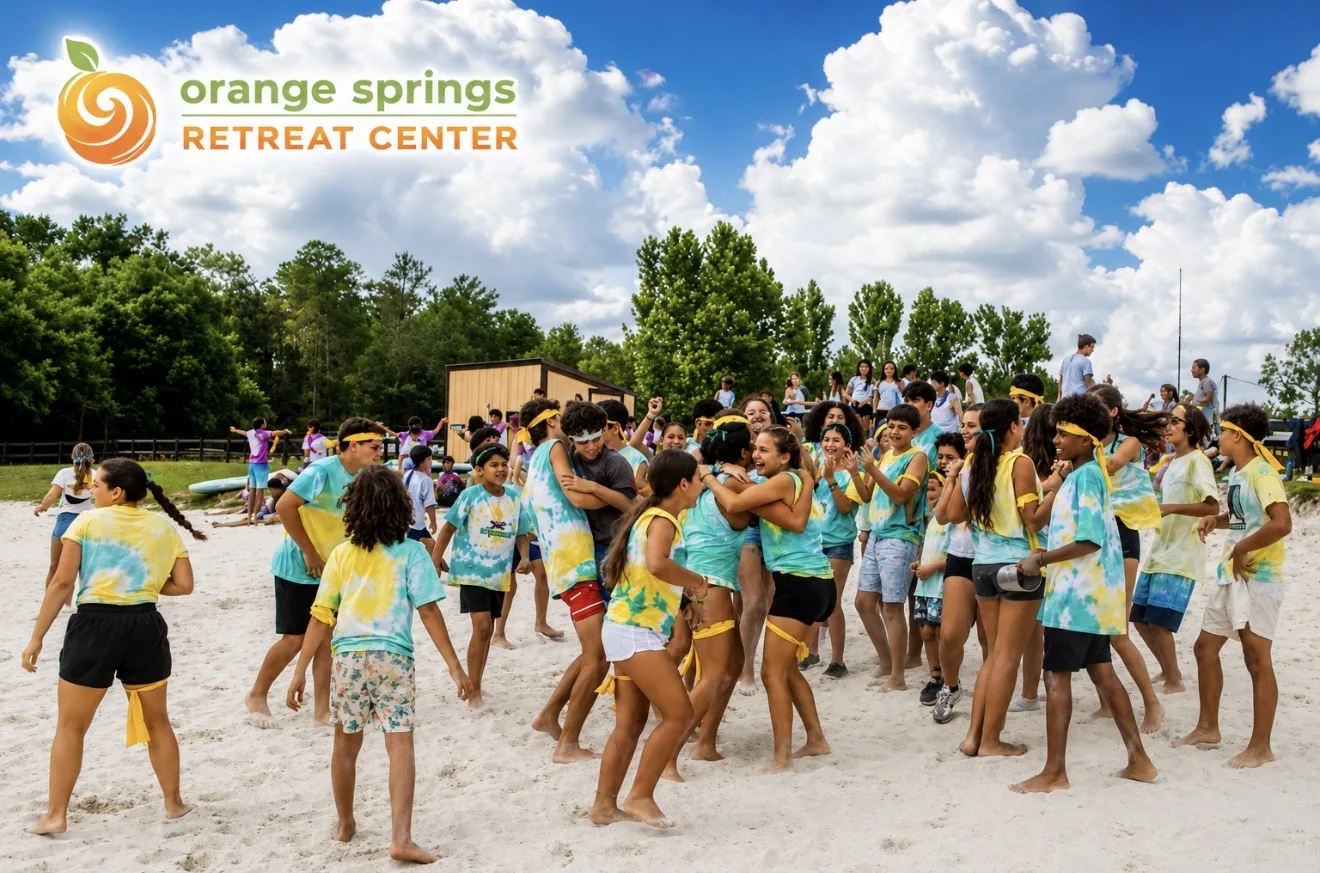
By Mike Sokol, Owner, Orange Springs Retreat Center
Every year, across Florida and the country, thousands of churches, schools, nonprofits, youth organizations, leadership teams, and private groups rent summer camps for weekend retreats, leadership conferences, youth camps, team-building events, and other group gatherings.
Yet many first-time planners don’t know what questions to ask—or how dramatically one facility can differ from another.
This guide explains how summer camp rentals work, what to compare, typical pricing, what should be included, and how to choose the right property for your group.
What Does It Mean to Rent a Summer Camp?
“Renting a summer camp” can mean several different things in Florida:
- Exclusive-use rental — Your group is the only one on the entire property for the duration of the stay. This is the purest form of a private camp rental.
- Shared-use rental — Other groups or residual camp programs may also be present. Facilities and schedules are often coordinated.
- Weekend rentals — Typically Friday–Sunday or Thursday–Sunday.
- Week-long rentals — Common for summer youth programs, leadership intensives, or multi-day conferences.
- Seasonal or shoulder-season rentals — September–April dates that avoid peak summer heat and competition.
- Day-use only — Access to grounds, meeting spaces, or specific activities without overnight lodging.
Most organized groups seeking a true retreat experience ultimately prefer exclusive use because it eliminates scheduling conflicts, simplifies supervision, and creates a focused environment.
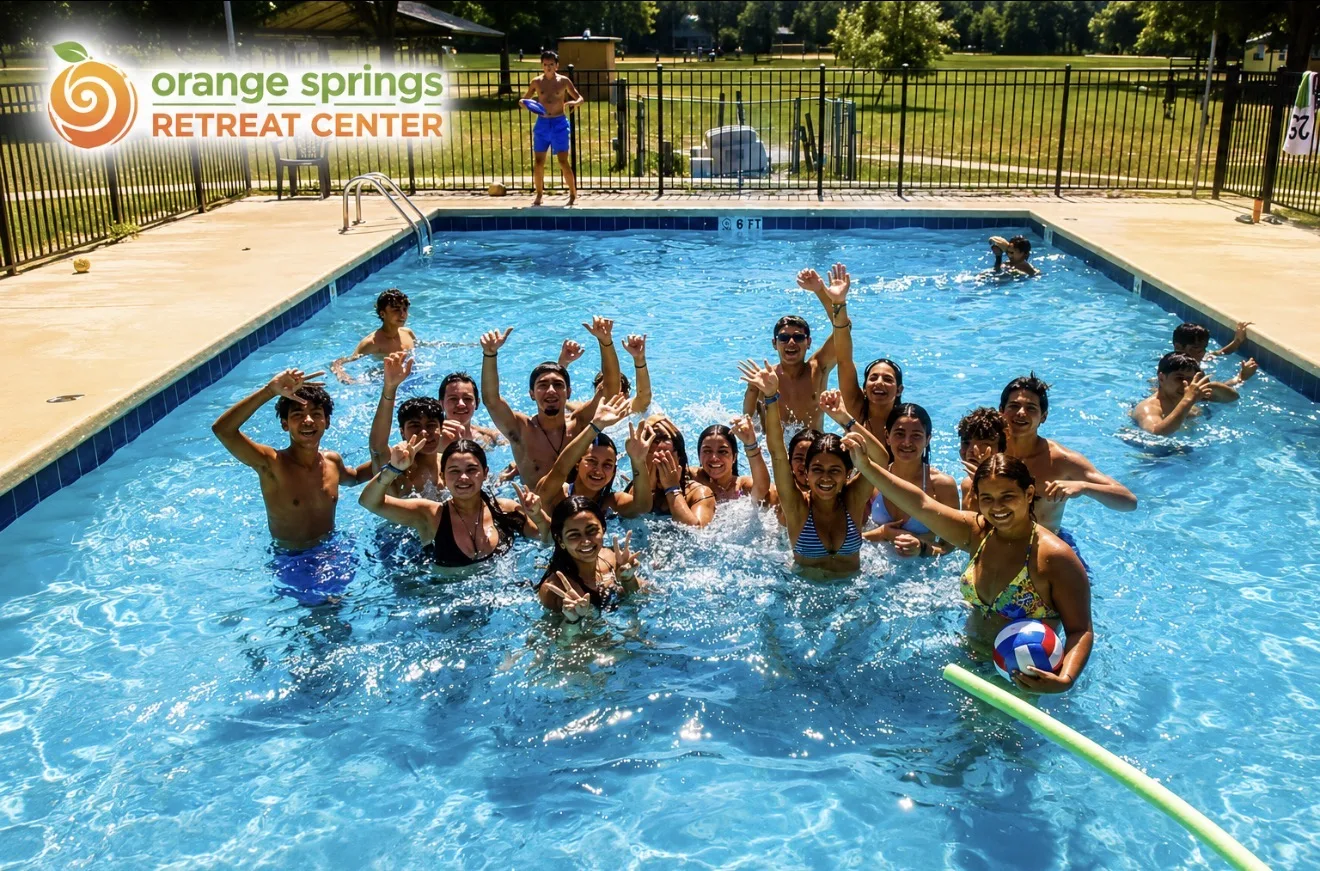
Who Typically Rents Summer Camps in Florida?
A wide range of organizations rent summer camps and camp-style properties:
- Church and youth ministry groups looking for spiritual renewal, leadership development, or fellowship weekends
- High schools and middle schools running student leadership, class retreats, or end-of-year programs
- University and college groups for orientation, team building, or organizational retreats
- Sports teams and athletic programs needing concentrated training environments
- Scout troops and outdoor education programs
- Adult specialty camps (men’s, women’s, wellness, or interest-based)
- Corporate and nonprofit teams seeking offsite strategy or culture-building time
- Family camps and multi-generational gatherings
- Private organizations hosting conferences or extended meetings
The common thread is the need for a private campus that supports both structured programming and informal connection.
What Is Usually Included in a Summer Camp Rental?
Inclusions vary significantly by property. Typical base elements often include:
- Overnight lodging (cabins or dorm-style rooms)
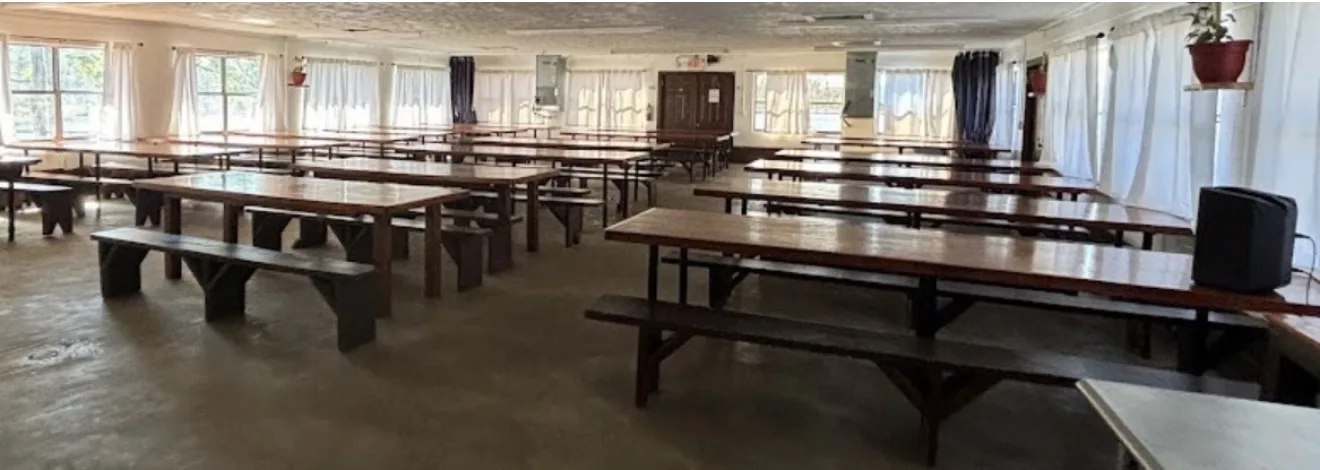
- Access to a dining hall or central gathering space
- Meeting rooms or indoor programming areas
- Outdoor recreation space (fields, courts, trails)
- Parking
- Basic grounds access
What frequently costs extra or requires special arrangement:
- Meals (some properties include them; many do not)
- Facilitated activities such as ropes courses, rock walls, or specialized waterfront programs
- Pool or certain waterfront equipment use
- Additional staffing
- Linens or bedding packages
- Extended campfire hours or special event support
Always request a clear list of what is included versus what is priced separately.
Questions Every Planner Should Ask
Before booking any Florida summer camp or retreat property, ask these questions:
- Do we receive exclusive use of the entire property, or will other groups also be present?
- What is the actual number of climate-controlled beds available?
- Are meals included, and can dietary restrictions or allergies be accommodated?
- Which activities are included in the base rate, and which require additional fees or advance staffing?
- Are meeting spaces climate-controlled and large enough for our full group?
- Can large buses or multiple vans access and park on the property?
- Is reliable Wi-Fi available in lodging and meeting areas?
- What are the rules and hours for campfires?
- Can we bring outside vendors, speakers, or caterers if needed?
- How far in advance must final numbers and activity requests be submitted?
- What is the cancellation and deposit policy?
- Is the property suitable for our age group and supervision needs?
These questions surface the real differences between properties far more effectively than marketing language.

How Much Does It Cost to Rent a Summer Camp in Florida?
Pricing depends on group size, length of stay, season, whether meals are included, and the level of exclusivity.
Rather than repeating full rate tables here, we maintain a dedicated, regularly updated guide that breaks down summer and off-season pricing, what drives costs, and real-world examples for groups of different sizes:
→ How Much Does It Cost to Rent a Summer Camp in 2027? Weekend & Week-Long Pricing Guide
Why Exclusive Use Matters
When a group has the entire campus to itself, several practical advantages appear immediately:
- No competing schedules or shared facilities
- Easier supervision and group management
- Greater flexibility in programming and free time
- Stronger sense of privacy and focus
- Simplified logistics for meals, meetings, and activities
These advantages are especially valuable for churches, schools, and organizations that need the environment itself to support their goals rather than compete with them.
For deeper insight into current booking patterns and the rising preference for private campuses, see our Florida Group Retreat Trends Report (2025–2026).
Comparing Summer Camp Rental Options in Florida
The table below summarizes the most common differences planners encounter:
| Exclusive-Use Private Retreat Center | Municipal / Shared Camp | Hotel + Separate Venues | |
| True exclusivity | Always | Sometimes | Rarely |
| Privacy & focus | High | Variable | Low–Moderate |
| Meals included | Often yes | Rarely | Separate cost |
| Capacity (typical) | 60–200+ | Often 100–130 | Flexible but fragmented |
| Waterfront / outdoor recreation | Usually strong | Strong | Limited |
| Meeting space quality | Designed for groups | Variable | High |
| Hidden or add-on costs | Generally lower | Common (activities, meals) | High (meals, transport, venues) |
| Programming flexibility | High | Moderate | Moderate |
No single type fits every group. The right choice depends on priorities around privacy, logistics, capacity, and total experience.
Common Mistakes First-Time Planners Make
- Booking a property that is too small for the actual group size
- Underestimating the complexity of meal planning when food is not included
- Assuming popular activities are included at no extra cost
- Choosing a shared-use property and later discovering schedule conflicts
- Waiting too long to book (popular exclusive-use dates, especially spring and fall, fill 9–18 months ahead)
- Focusing only on price per night without calculating total cost including meals, activities, and transportation
- Failing to confirm climate control, Wi-Fi reliability, or bus access in advance
- Overlooking the importance of dedicated meeting space sized for the full group
Avoiding these mistakes saves significant time, money, and stress.
Florida Booking Trends
Organizations are booking farther in advance and placing higher value on exclusive-use venues that remove scheduling conflicts with other groups. Many are also exploring shoulder-season and winter/spring dates for more comfortable outdoor conditions and often better availability.
These patterns, along with the growing emphasis on purpose-driven rather than purely recreational gatherings, are covered in detail in our Florida Group Retreat Trends Report (2025–2026).
Frequently Asked Questions
Can you rent a summer camp for only a weekend?
Yes. Weekend rentals (typically 2 nights / 3 days) are the most common format for churches, schools, and organizations.
Can adults rent summer camps?
Yes. Many properties welcome adult groups, leadership teams, women’s or men’s retreats, and corporate offsites.
How many people can summer camps typically hold?
Capacities vary widely. Some properties max out around 100–130 beds; exclusive-use private retreat centers often accommodate 60–200+ in climate-controlled lodging.
Can churches rent camps?
Yes. Church and youth ministry groups are among the most frequent renters of Florida summer camps and retreat properties.
Can schools rent camps?
Yes. High school leadership retreats, class trips, and student programs regularly use these venues.
Can nonprofits rent camps?
Yes. Nonprofits frequently book exclusive-use properties for staff retreats, board meetings, and program intensives.
Are meals included?
It depends on the property. Some include full group dining; others require groups to bring food or hire a licensed caterer. Always confirm.
Can camps handle food allergies and dietary restrictions?
Many can when given advance notice. Properties with on-site dining are generally better equipped to manage this.
Are campfires allowed?
Most properties allow campfires, often with designated areas and time restrictions. Confirm hours and any supervision requirements.
Can alcohol be served?
Policies vary significantly by property and by the type of group. Always ask in advance.
How far ahead should we book?
For exclusive-use properties and popular seasons, 9–18 months is common. Summer and major school-year weekends fill earliest.
Can we rent during winter or spring?
Yes. Many Florida properties operate year-round. Milder weather and often better rates make September–April attractive for many groups.
Are linens provided?
Some properties provide linens; others expect groups to bring their own or offer packages for an additional fee. Confirm early. At Orange Springs, linens are available to rent.
Do camps have air conditioning?
Many modern or renovated properties offer climate-controlled lodging. Older or more rustic sites may vary. Ask specifically about both cooling and heating.
Is Wi-Fi available?
Availability and reliability differ. Confirm coverage in both lodging and meeting areas if your program requires it.
Can large buses access the property?
Most established group venues can accommodate buses, but road access, turning radius, and parking should be verified.
About the Author
Mike Sokol is the owner of Orange Springs Retreat Center, a private exclusive-use retreat venue in Central Florida. He has hosted group retreats on the property since 2002. The Sokol family has operated camps and retreats on this land since 1971 (originally as Camp Shalom). The property was featured in a 2007 New York Times article on the evolution of traditional summer camps into year-round private group venues. Check out how Orange Springs Retreat Center was featured in the New York Times.
Related Resources
• How Much Does It Cost to Rent a Summer Camp in 2027?
• Florida Group Retreat Trends Report (2025–2026)
• Best Private Summer Camp Rentals for Groups in Florida (2027 Buyer’s Guide)
• Large Group Retreat Venues in Florida: What to Look for When Planning for 60–200 Guests
• Our Mission: Creating Better Retreats Through Truly Exclusive, Distraction-Free Environments
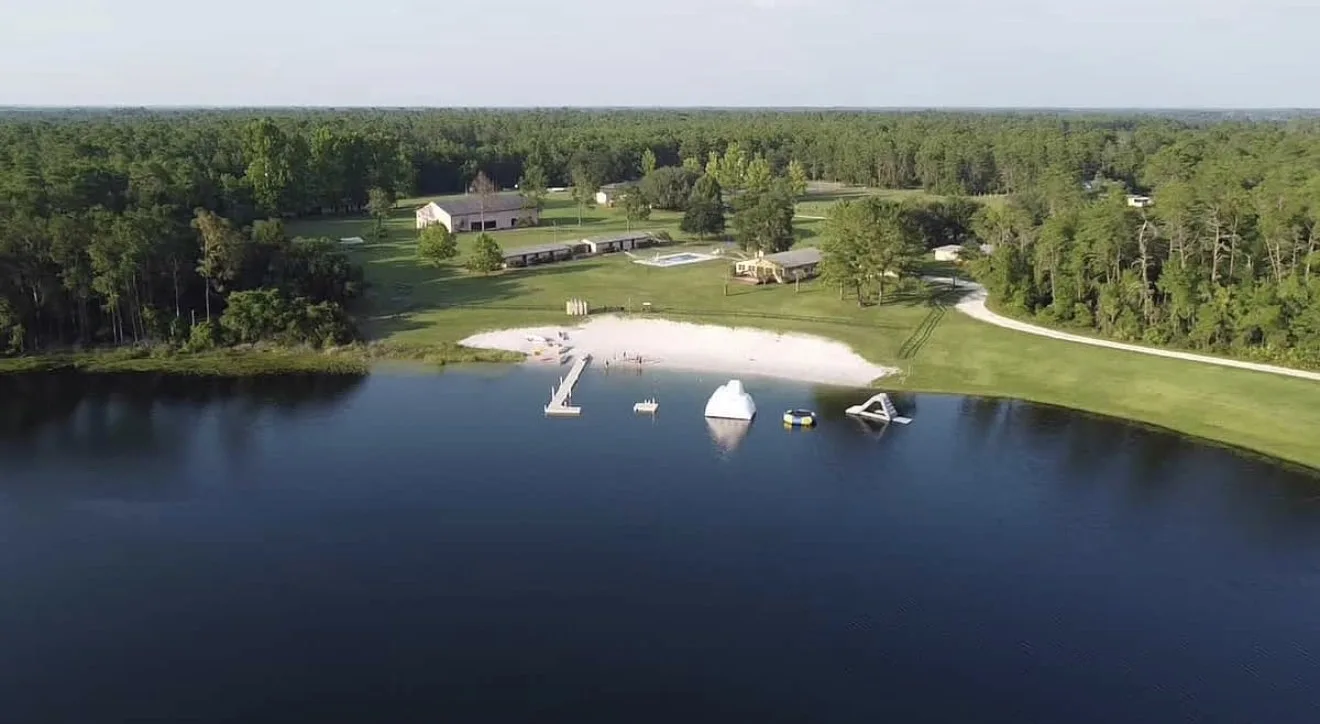
Located just south of Gainesville, Florida, Orange Springs Retreat Center offers Group Retreat Rentals, Fall & Spring School/Church Camp venue, and an ideal Summer Camp Location.
What separates us from other retreat venues is true exclusivity:
“One Group At a Time Always- No Shared Spaces, No Outside Guests”
Orange Springs Retreat Center | Florida’s Exclusive-Use Retreat Venue for Private Groups, Schools & Churches (60–200 Guests)
• Contact Mike Sokol at (561) 221-7773 or campshalomfl@gmail.com for a quote.
Website: orangespringsretreat.com
Let’s build something meaningful together.

Pricing: How Much Does it Cost?
Fall/Winter 2027 Rates (September – April)
Florida’s mild autumn, winter, and spring weather makes September through April ideal for outdoor retreats. The off-season features lower minimum attendee requirements (60+ guests) and greater calendar flexibility.
(Includes lodging, all meals, full facility use, and property exclusivity.)
| Length of Stay | 60+ Guests | 100+ Guests |
| 2 Night / 3 Day | $255 | $205 |
| 3 Night / 4 Day | $315 | $255 |
| 4 Night / 5 Day | $375 | $315 |
| 5 Night / 6 Day | $435 | $375 |
| 6 Night / 7 Day | $485 | $425 |
Example for group booking a 2 night /3 day weekend retreat: The cost is $255 person for a guaranteed minimum of 60 attendees and includes all meals from dinner Friday through breakfast Sunday(5 meals). This includes meals, lodging, and exclusive use of the entire property!
Usage also includes access to all our meeting spaces, AV equipment, sports equipment for the available activities such as soccer, tennis, basketball, volleyball, canoeing kayaking, paddle boarding, and a campfires when requested!
2028 Summer Rates (May – August)
Summer are considered premium with a 100+ guests minimum for booking:
Option 1: Per-Person Pricing with Meals Included
(Minimum 100+ attendees. Rates include climate-controlled lodging, 3 chef-prepared meals per full day, standard activities, and exclusive property use.)
| Length of Stay | Per Person |
| 2 Night / 3 Day | $215 |
| 3 Night / 4 Day | $265 |
| 4 Night / 5 Day | $325 |
| 5 Night / 6 Day | $385 |
| 6 Night / 7 Day | $435 |
Example for group booking a 6 night /7 day weeklong retreat: The cost is $435 person for a guaranteed minimum of 100 attendees and includes all meals from dinner the first evening through breakfast the seventh day(17 meals). This includes meals, lodging, and exclusive use of the entire property!
Usage also includes access to all our meeting spaces, AV equipment, sports equipment for the available activities such as soccer, tennis, basketball, volleyball, canoeing kayaking, paddle boarding, and a campfire when requested!
Option 2: Summer Flat-Rate Facility Rentals (No Meals)
(For groups providing their own food service or outside catering. Includes lodging, full campus access, and standard recreational activities.)
| Length of Stay | Up to 100 Guests | 150+ Guests |
| 2 Night / 3 Day | $14,500 | $17,500 |
| 3 Night / 4 Day | $17,500 | $20,500 |
| 4 Night / 5 Day | $20,500 | $23,500 |
| 5 Night / 6 Day | $23,500 | $26,500 |
| 6 Night / 7 Day | $26,500 | $29,500 |
You can find more details relating to the “Flat Rate Without Meals” options on our summer camp rental pricing page.
ONE GROUP AT A TIME.
NO SHARED SPACES. NO OUTSIDE GUESTS.
Our 2026 calendar is fully booked and we are currently maintaining a waitlist for cancellations. All new bookings are focused on Fall 2027 – Summer 2028.
Once the date window is clear, the venue question for a class overnight is on the overnight school trip venue page — lodging, meals, itineraries, and 2027 availability for groups of 60–200+