
By Mike Sokol, Owner
Orange Springs Retreat Center | CCCA Member
Youth group retreats remain one of the most powerful tools available to youth group or student ministry leaders. A well-planned weekend creates extended time for relationship, discipleship, and spiritual conversations that weekly meetings simply cannot match.
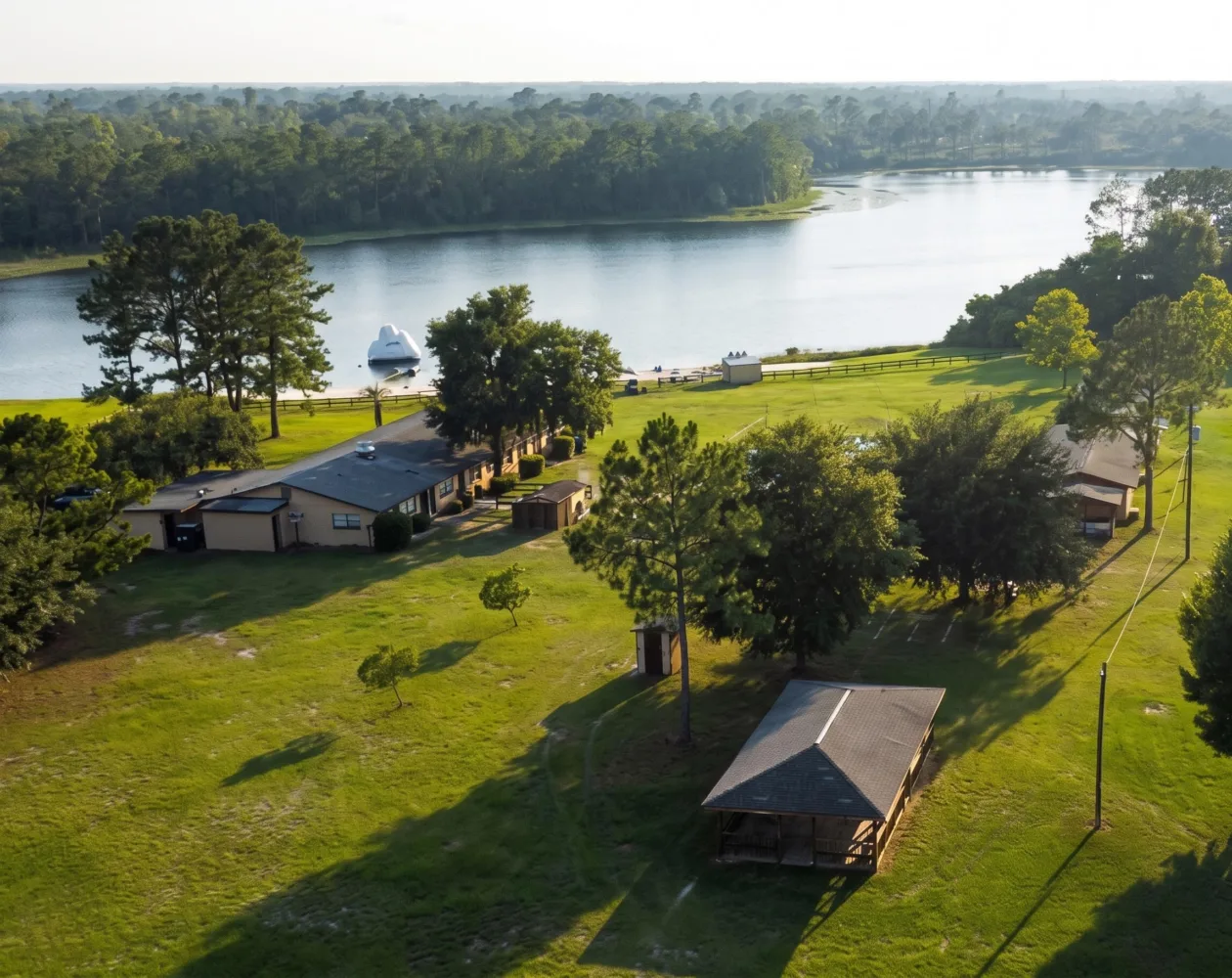
After more than two decades of hosting church youth groups, high school retreats and student leadership teams on our private 100+ acre lakefront campus in Central Florida, we have seen what consistently produces strong outcomes—and what often falls short.
The difference usually comes down to intentional planning and the environment you choose.
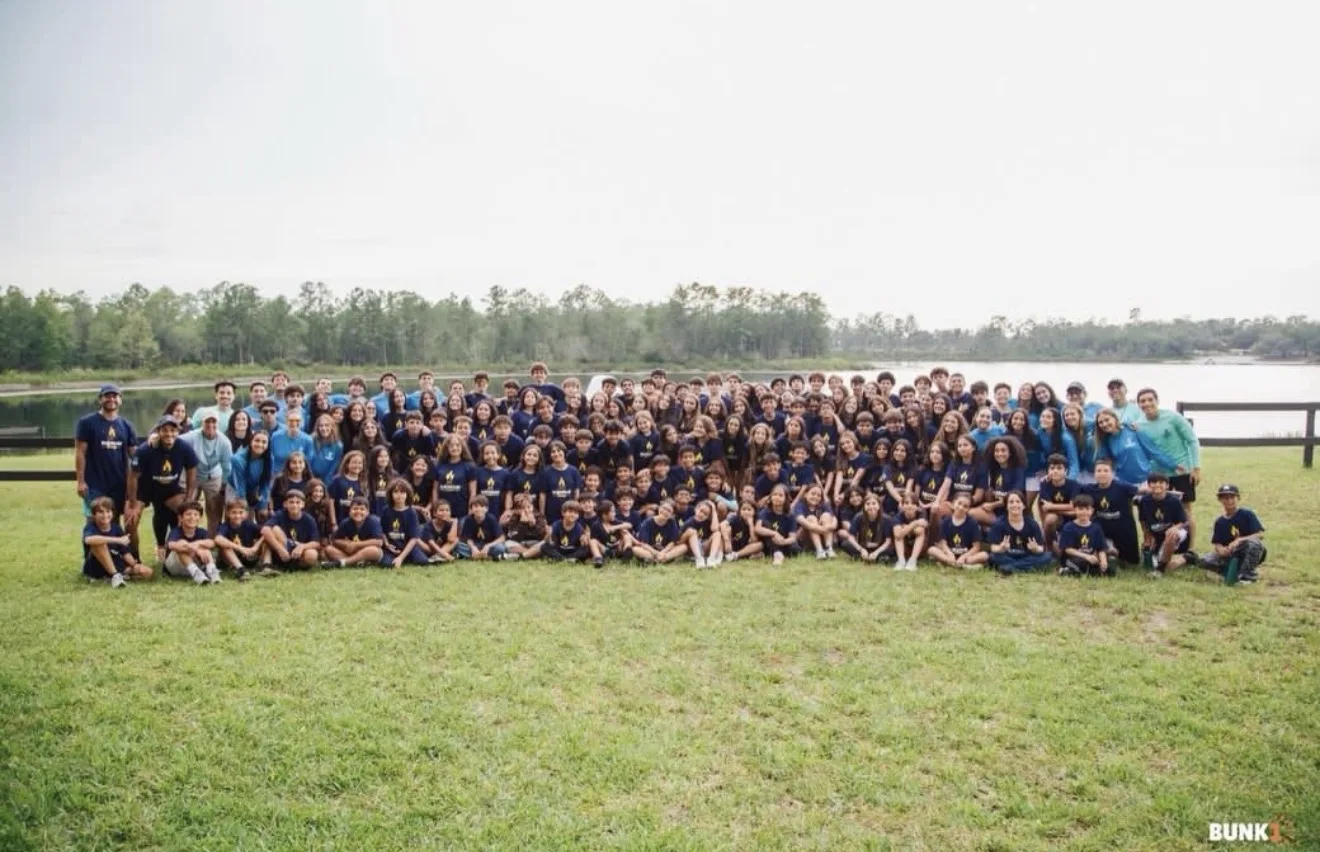
When your group has the entire property to itself (true exclusive-use), safety, supervision, schedule control, and relationship-building become dramatically easier. No competing groups. No shared spaces. No outside distractions. Just your students, your leaders, and the setting you need.
Here is a practical 10-step framework, grounded in what actually works for youth groups on an exclusive-use Florida campus like ours.
1. Set Clear Goals with Stakeholders
Start by defining success with your leadership team, senior pastor, and key adult volunteers.
Common goals for youth retreats include deeper student-to-student relationships, spiritual conversations, leadership development, or simply creating a safe space for students to step away from screens and daily pressures.
Write a one-sentence purpose statement. Everything else—schedule, activities, teaching, even meal timing—should serve that purpose.
Exclusive-use advantage: When the entire campus belongs to your group, you can design every space and time block around your specific goals without negotiating around other organizations’ schedules.
2. Choose a Focused Theme or Topic
Listen to your students. What questions are they actually asking? What challenges are they facing?
Strong retreat themes often explore trust, identity, belonging, or practical spiritual practices. Avoid trying to cover too much. Depth beats breadth.
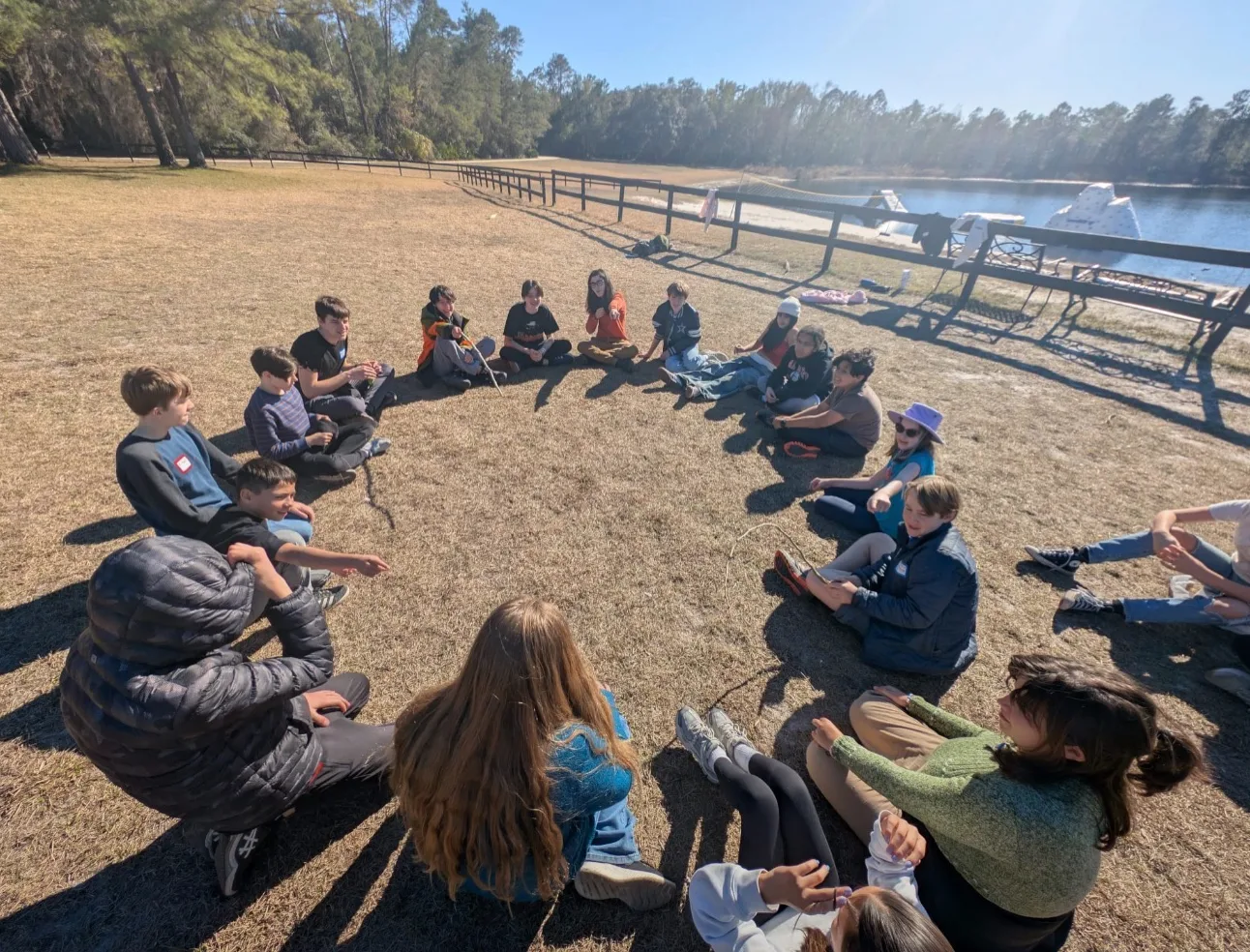
Your exclusive-use setting allows you to create environments that reinforce the theme—quiet lakeside reflection areas, campfire conversations, or small-group spaces free from interruptions.
3. Choose Date and Location Early
Book as far in advance as possible. Popular spring and fall weekends for youth and high school groups fill quickly.
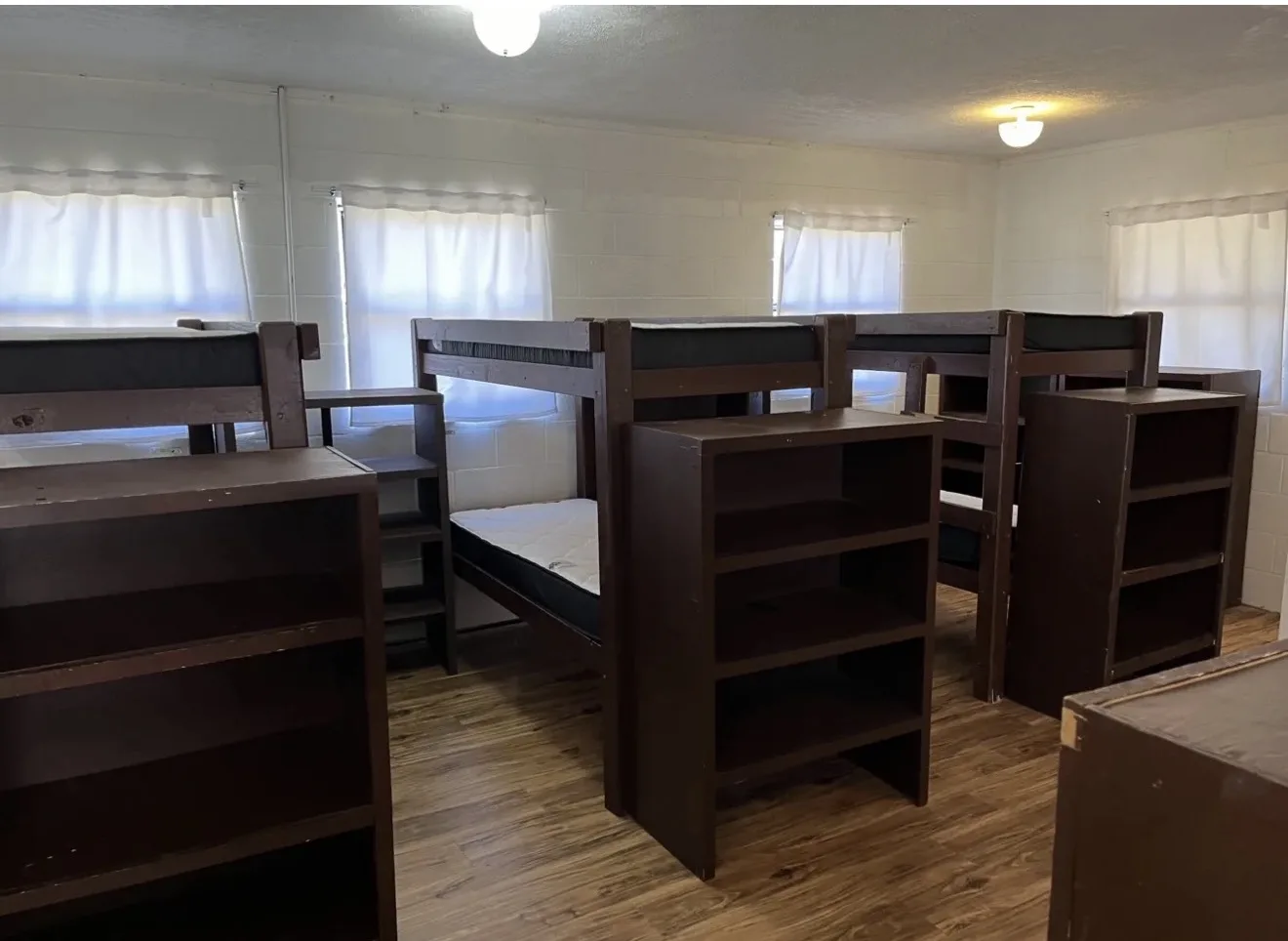
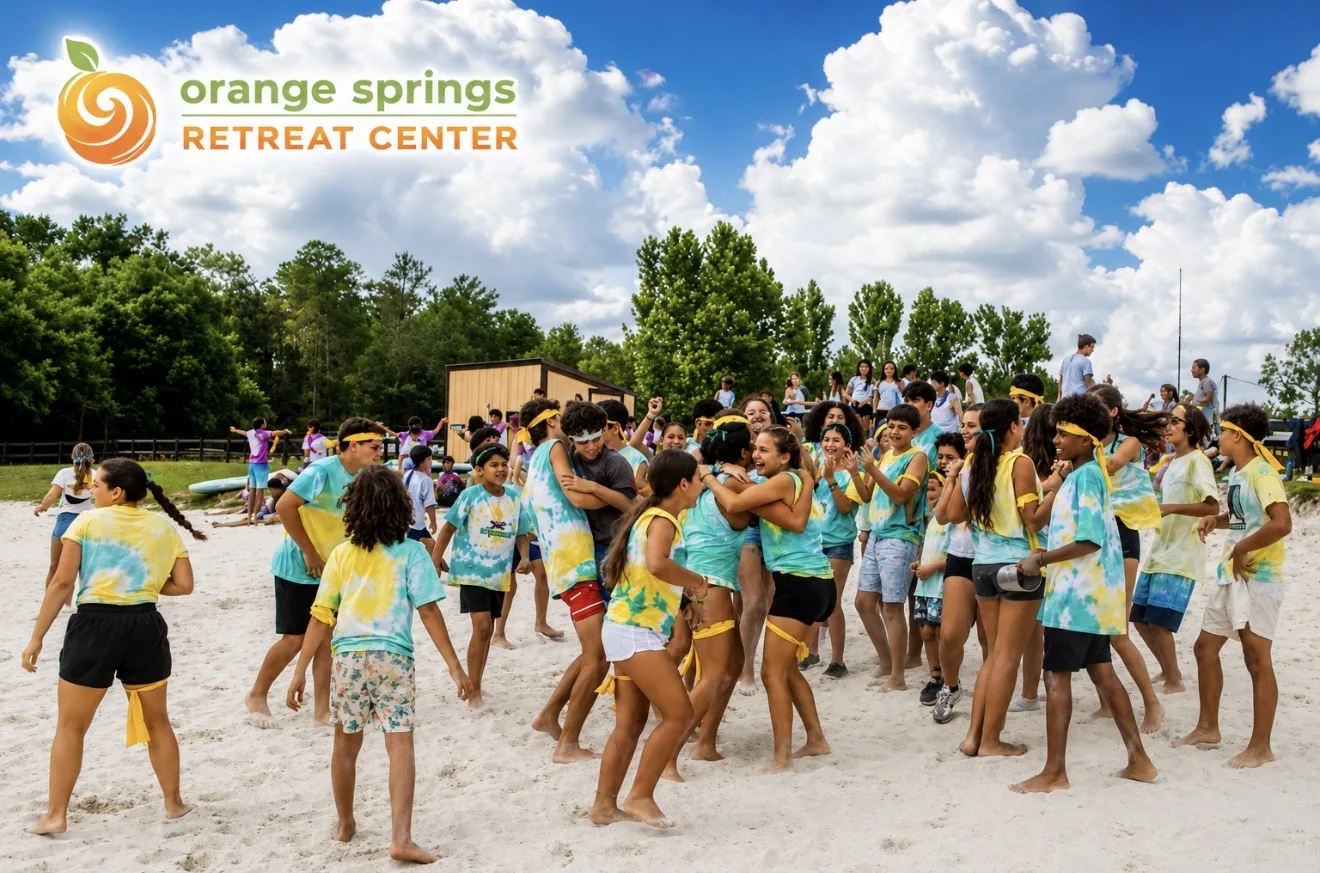
Look for a true exclusive-use venue (one group only) with capacity for your expected size (we regularly host 60–200+), climate-controlled lodging, flexible indoor/outdoor meeting spaces, and built-in recreation that supports relationship rather than just filling time.
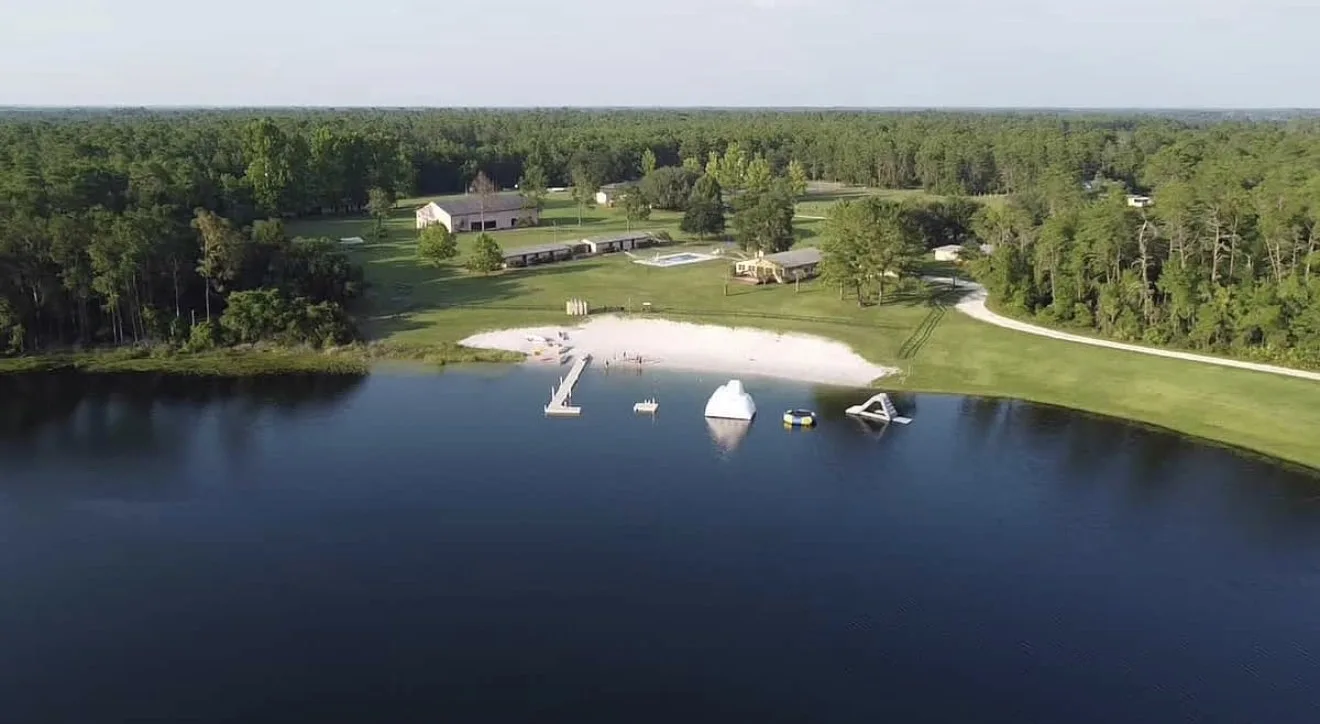
Florida + exclusive-use note: Mild weather most of the year and a private spring-fed lake with white-sand beach give you reliable outdoor options while still offering indoor backups.
For a deeper look at selecting the right venue and overall logistics, see our complete guide: How to Host Your Own Retreat in Florida.
4. Build a Realistic Budget Early
Include lodging, meals, transportation, materials, activity add-ons, and a contingency.
All-inclusive exclusive-use pricing simplifies this process significantly compared with hotels or shared facilities.
We published a detailed breakdown specifically for youth and church groups: How to Budget for a Youth or Church Group Retreat in Florida.
5. Design a Schedule That Protects Relationship and Rest
Minimize large blocks of completely unstructured free time, especially with mixed-age or less tightly knit groups. Students who feel left out or bored are more likely to create management challenges.
Build in adequate sleep (most high schoolers need 8–10 hours). Balance teaching/small groups with intentional recreation and downtime.
Exclusive-use advantage: You control the entire rhythm of the weekend. No competing noise from other groups, no shared dining hall schedules, and full access to meeting spaces whenever you need them.
6. Recruit and Train Leaders Thoroughly
Recruit early and train specifically for the retreat environment. Cover expectations for discipleship conversations, safety protocols, phone policies, and how to engage quieter or fringe students.
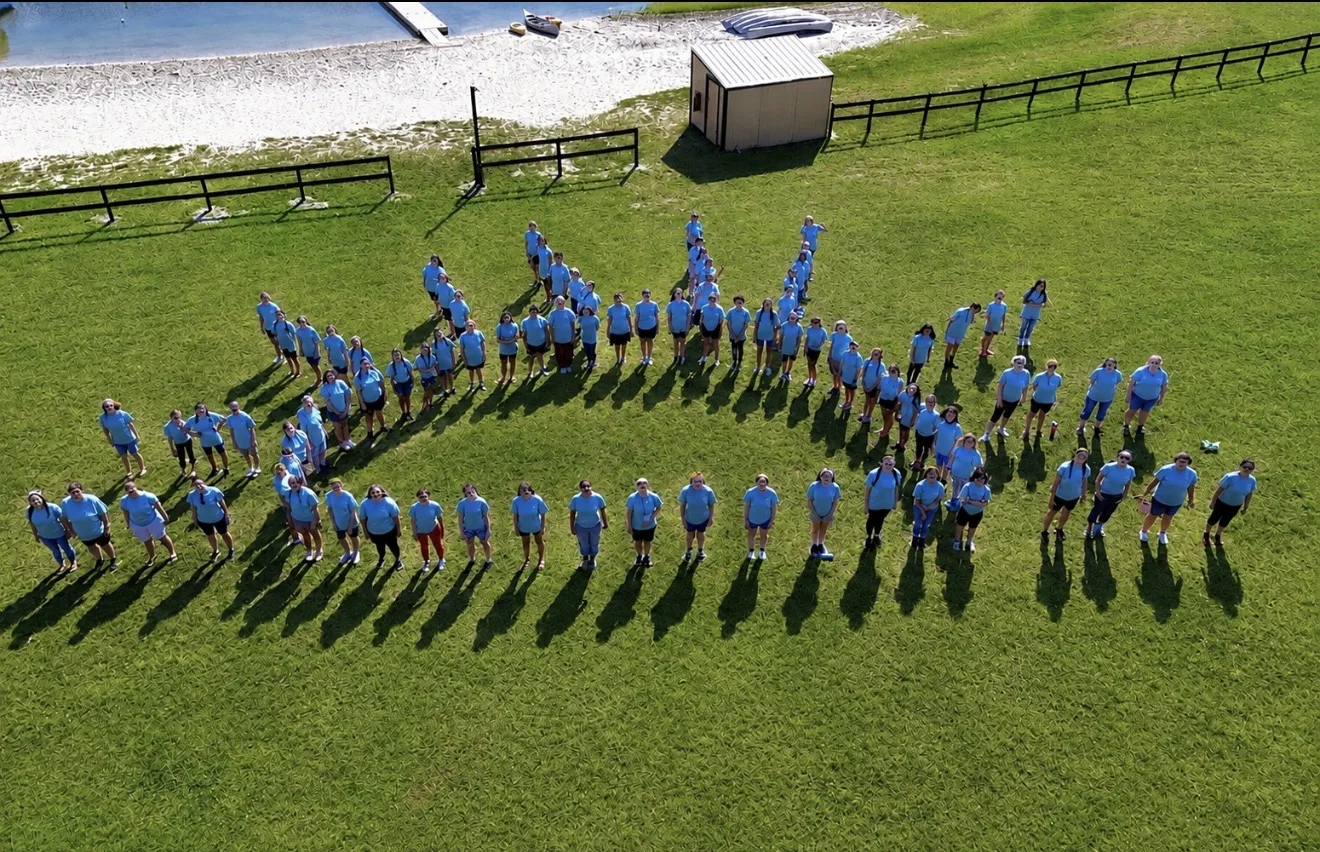
On an exclusive-use campus, chaperone ratios and supervision become more straightforward because the property boundary itself supports accountability—students are not mixing with strangers or wandering into public areas.
7. Over-Communicate with Parents
Share the purpose of the retreat, what students will experience, safety measures, packing lists, and how parents can support spiritually (prayer, follow-up conversations).
Post-retreat, send a short summary and a few discussion questions so the experience continues at home.
8. Plan the Small Details That Create Safety and Belonging
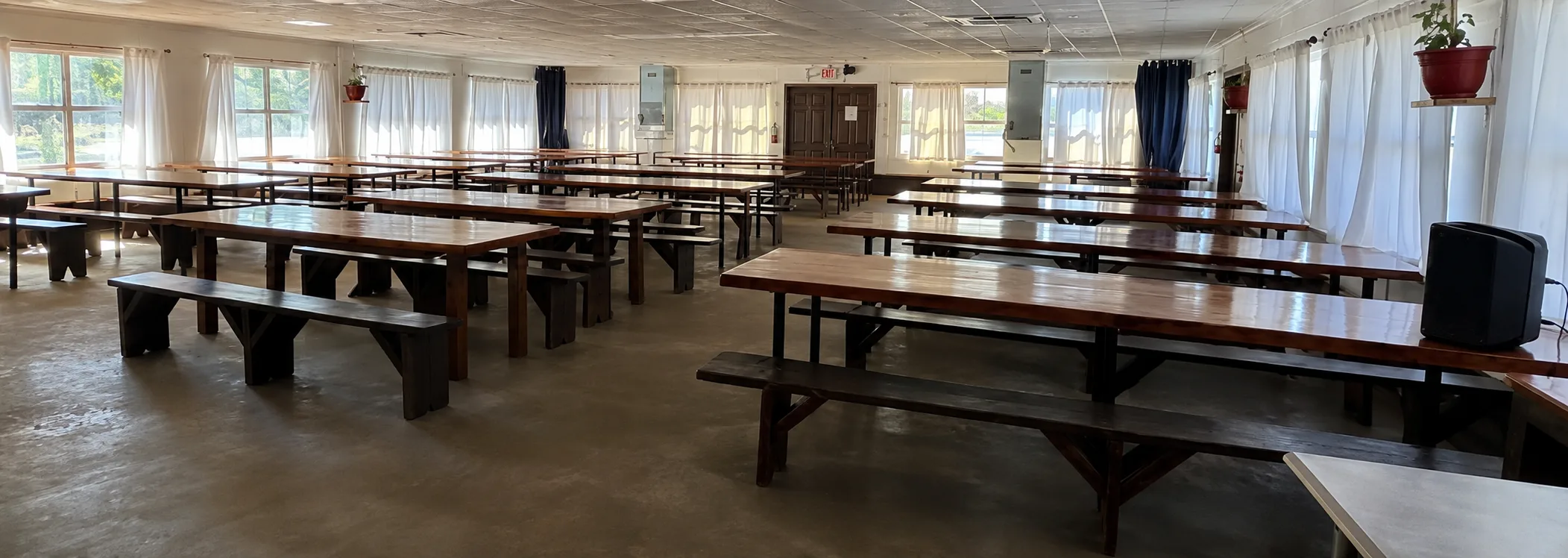
- Decide on a clear cell phone policy (collect on arrival, limited use, or designated times only).
- Intentionally mix groups and seating so cliques do not dominate.
- Seat quieter students near leaders.
- Prepare multiple low-pressure activity options during any free time.
These details are easier to execute when you control every space on campus.
9. Use the Environment Intentionally for Relationship and Spiritual Conversations
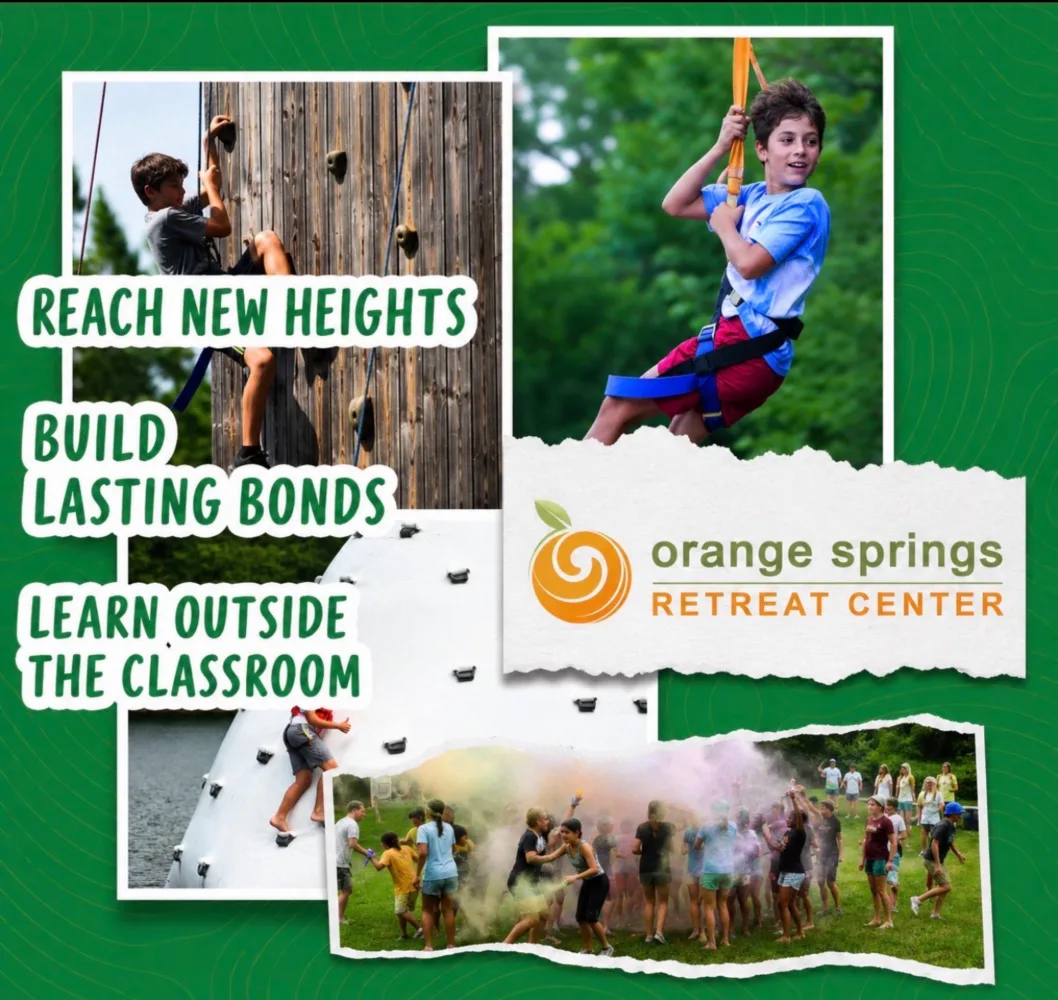
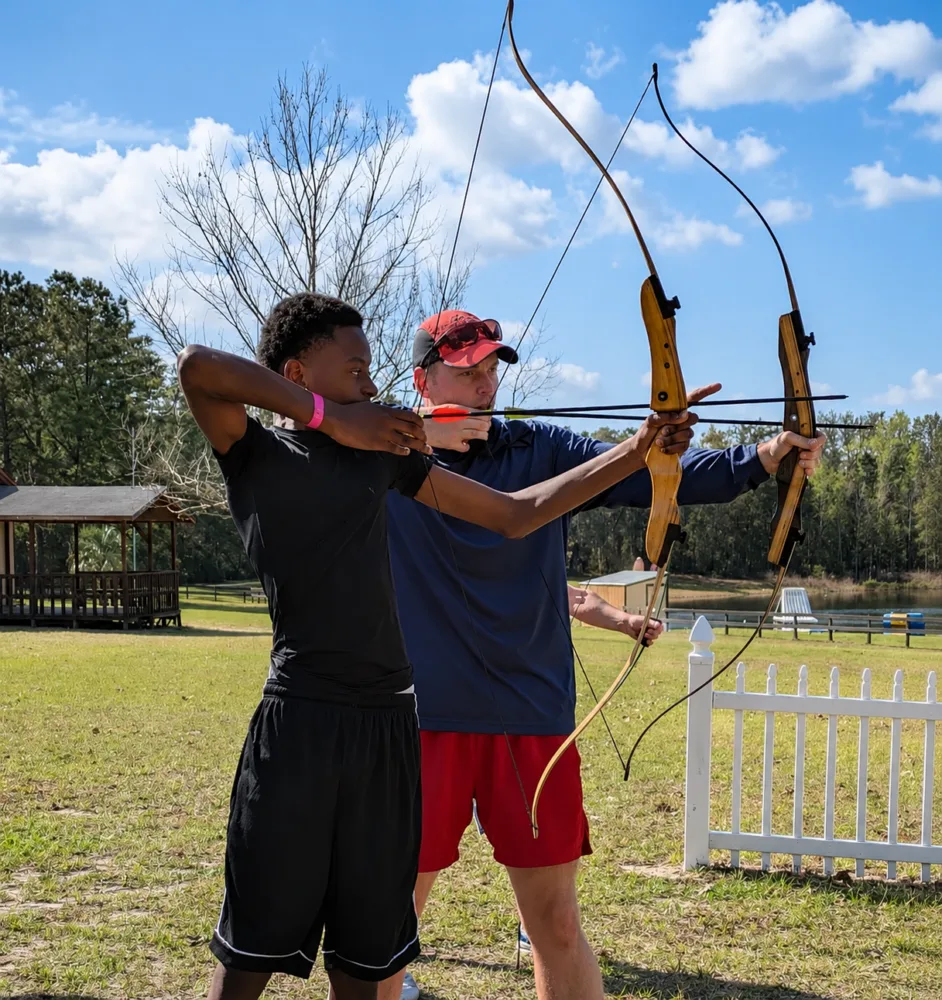
The lake, ropes course/ziplines, sports fields, campfire areas, and quiet outdoor spaces are not just “fun.” They are tools.
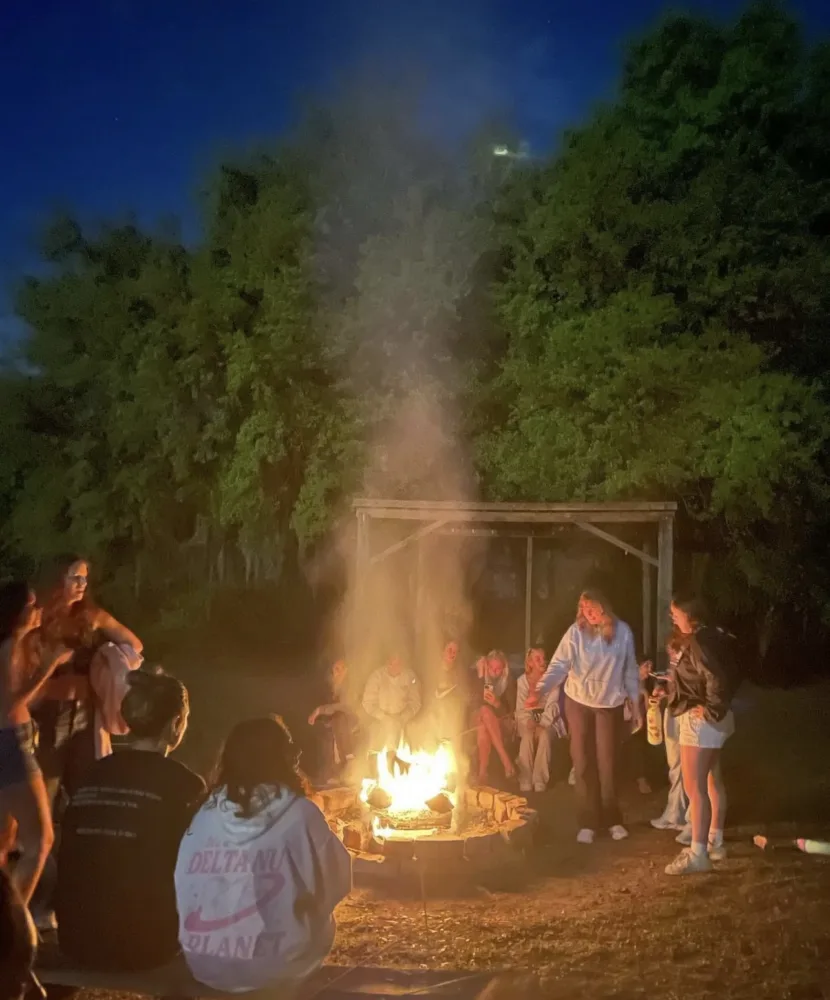
A shared challenge on the ropes course, paddling across a spring-fed lake, or an evening conversation by the fire often opens doors that formal teaching alone cannot. Design your schedule so recreation serves your relational and spiritual goals rather than competing with them.
Our Florida High School & Youth Retreat page shows how many groups structure these weekends.
10. Plan for Post-Retreat Integration and Follow-Up
The retreat is not finished when the bus leaves.
Create simple ways for students who did not attend to hear testimonies. Repeat or adapt key teaching in regular youth group. Equip small group leaders with follow-up questions. And keep praying specifically for the relationships and spiritual steps that began on the weekend.
Youth Group Retreat Planning Checklist
| Step | Task | Status / Notes |
| 1 | Purpose statement written and approved by leadership | |
| 2 | Theme / teaching focus chosen | |
| 3 | Preferred dates selected; exclusive-use venue researched & held | |
| 4 | Full budget created (see our budget guide) + contingency | |
| 5 | Draft schedule completed (teaching + relationship + rest balance) | |
| 6 | Leaders recruited and trained | |
| 7 | Parent communication plan ready (pre- and post-retreat) | |
| 8 | Cell phone policy, grouping strategy, and safety details finalized | |
| 9 | Activities intentionally tied to goals (lake, ropes, campfire, etc.) | |
| 10 | Post-retreat follow-up plan prepared | |
| Extra | Deposit secured and final headcount process confirmed with venue |
Looking Ahead to 2027
Our 2026 calendar is fully booked, with an active waitlist for any cancellations. Many churches and youth ministries are already locking in 2027 dates, especially for popular spring and fall weekends.
Related Resources
• How Much Does It Cost to Rent a Summer Camp in 2027?
• Florida Group Retreat Trends Report (2025–2026)
• Best Private Summer Camp Rentals for Groups in Florida (2027 Buyer’s Guide)
• Large Group Retreat Venues in Florida: What to Look for When Planning for 60–200 Guests
• Our Mission: Creating Better Retreats Through Truly Exclusive, Distraction-Free Environments
Located just south of Gainesville, Florida, Orange Springs Retreat Center offers Group Retreat Rentals, Fall & Spring School/Church Camp venue, and an ideal Summer Camp Location.
What separates us from other retreat venues is true exclusivity:
“One Group At a Time Always- No Shared Spaces, No Outside Guests”
Orange Springs Retreat Center | Florida’s Exclusive-Use Retreat Venue for Private Groups, Schools & Churches (60–200 Guests)
• Contact Mike Sokol at (561) 221-7773 or campshalomfl@gmail.com for a quote.
Website: orangespringsretreat.com
Let’s build something meaningful together.