
Blog

Everything you need to plan a successful church retreat, school retreat, youth camp, leadership retreat, corporate retreat, nonprofit gathering, or private group event — from choosing the right venue to budgeting, scheduling, and creating an unforgettable experience.

Planning a retreat is one of the most meaningful responsibilities you can undertake for your organization. Done well, it creates space for deep connection, strategic alignment, spiritual growth, and memories that endure for years. Done poorly, it becomes a logistical headache that drains energy instead of building it.

This guide exists to help you execute it seamlessly.

After more than two decades of hosting private groups of 60 to 200+ guests, we have seen what works — and what quietly undermines even the best intentions. The single biggest factor that consistently separates transformative retreats from merely “okay” ones is true exclusive-use: when your group has the entire property to itself with zero outside groups or public distractions on-site.

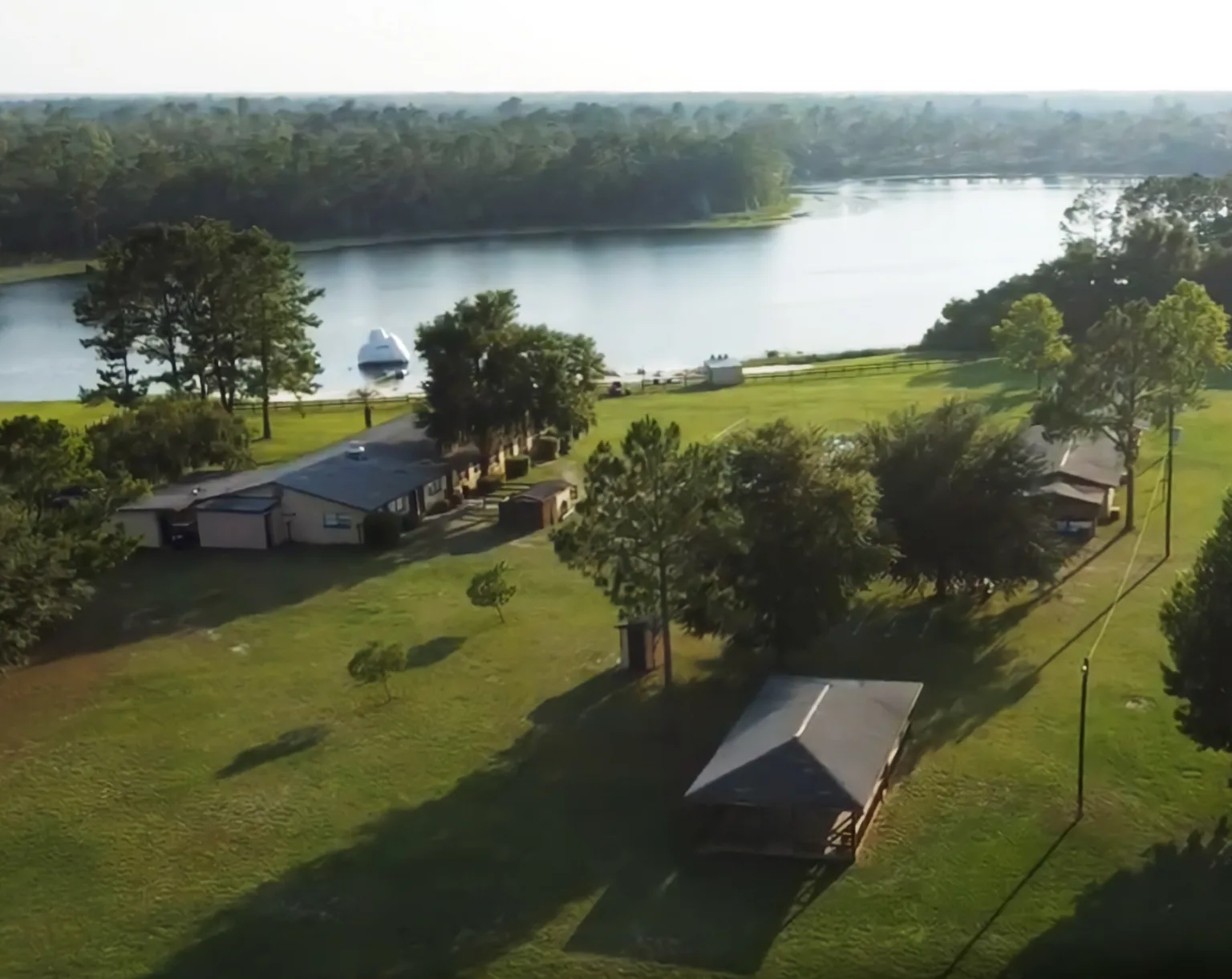
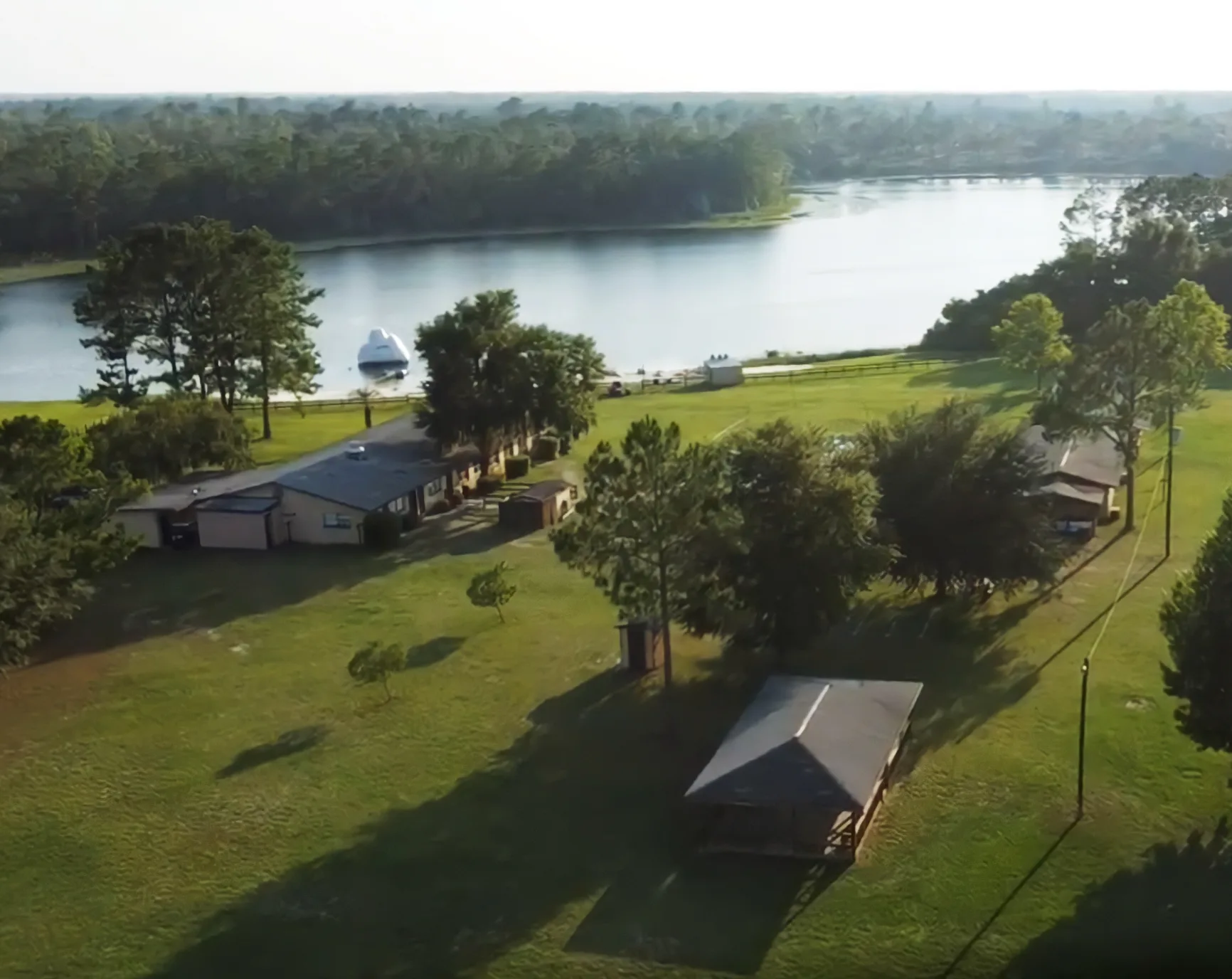
That is the exact model we built at Orange Springs Retreat Center on our 100+ acre lakefront campus in Central Florida. One group at a time. Total control over your schedule, dining, and atmosphere. No shared meeting spaces. No competing noise.

Whether you are planning for a church, school, youth group, leadership team, corporate organization, nonprofit, or private family gathering, this step-by-step master guide walks you through the entire process from concept to departure.

Why This Guide Exists

Most online resources about hosting retreats fall into two categories: generic 7-step blog posts focused narrowly on boutique wellness, or transactional sales listings for small vacation rentals. Neither serves the complex operational needs of churches, schools, corporate teams, and mid-to-large groups seeking private experiences at scale.

This guide is different. It is built from decades of hands-on property management and event execution. It focuses on practical decisions that actually move the needle — from budgeting models and meal planning to mastering schedule rhythm and leveraging exclusive-use environments.
group retreat Florida
Venue for private group retreats

STEP 1: Define Your Retreat’s Purpose

Before looking at calendars, photos, or activity lists, clarify why you are hosting this retreat and who it is designed to serve. Different goals require fundamentally different environments, pacing, and operational support.

Common Retreat Types & Their Core Needs

Church & Ministry Retreats: Requires quiet outdoor spaces, large assembly halls for worship/teaching, small group breakout areas, and shared dining that fosters genuine fellowship.

School & Youth Retreats: Requires high-capacity climate-controlled lodging, robust safety boundaries, versatile recreation (lake, sports fields), and clear chaperone facilities.

Leadership & Corporate Retreats: Focuses on strategic alignment, vision casting, and executive rejuvenation. Requires reliable AV technology, private meeting spaces, and distraction-free grounds.

Band Camps & Athletic Teams: Focuses on intensive rehearsal or physical training paired with team cohesion. Requires large indoor practice fields or fieldhouses, outdoor training grounds, and protein-rich, high-volume group dining.

Nonprofit & Family Gatherings: Focuses on multi-generational connection, relaxed pacing, shared storytelling, and versatile activity options.

Planner’s Tip from Mike Sokol:

“One of the biggest mistakes we see is groups trying to be everything to everyone. When you clearly define the primary purpose first, every subsequent decision — venue selection, schedule flow, catering menus — becomes significantly easier and far more effective.”

Action Step: Draft a one-sentence Purpose Statement. Example: “This 3-day leadership retreat will equip our incoming student officers with strategic planning tools, deepen interpersonal trust, and clarify our annual mission through focused workshops, outdoor team challenges, and structured reflection.”
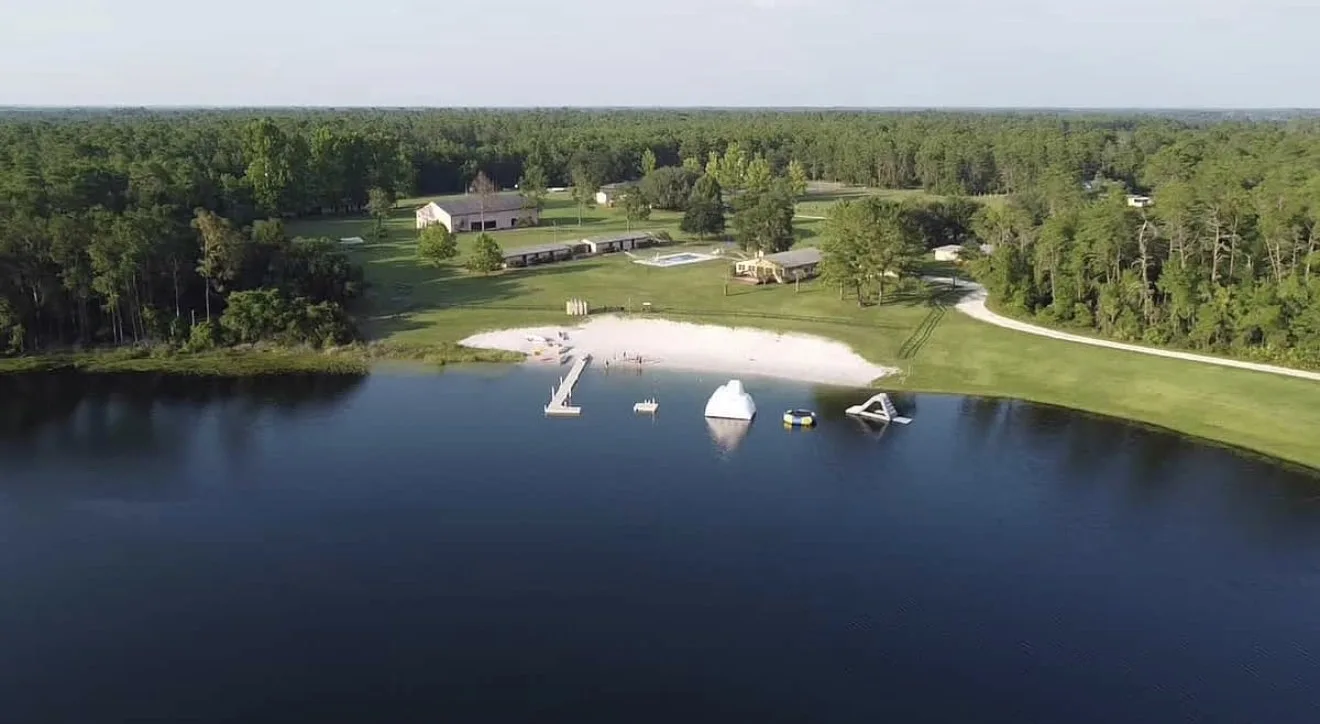
retreat venue florida
group retreat florida

STEP 2: Choose the Right Florida Retreat Venue

Your venue selection is the single most consequential choice you will make. The right property removes operational friction and supports your mission; the wrong venue creates a constant stream of small disruptions that erode the attendee experience.

Venue Model Comparison Matrix

Venue TypePrivacySchedule ControlIdeal Group SizeDistractionsBest For
Exclusive-Use Retreat Center100% PrivateTotal Freedom60–200+NoneGroups wanting deep focus & connection
Shared Campuses / Church CampsSharedLimited slots20–100HighBudget groups okay with sharing
Commercial HotelsPublicStrict hours10–50HighCorporate events needing luxury
Conference CentersSemi-privateRigid blocks100–500+ModerateLarge business meetings
Vacation Rentals (VRBO)Private (small)High freedom10–20Space limitsSmall intimate groups

Why Geographic Location Matters

When picking a Florida location, balance travel accessibility with natural seclusion. Coastal resort towns bring public beach traffic, high seasonal rates, and severe summer weather risks. Choosing a Central Florida venue (such as properties bordering the Ocala National Forest) offers natural peace while maintaining easy driving access for participants flying or driving into major transportation hubs.

Florida Regional Access (to Orange Springs area):

  • Jacksonville International (JAX) — ~75 minutes
  • Orlando International (MCO) — ~90 minutes
  • Tampa International (TPA) — ~105 minutes

Planner’s Tip from Mike Sokol:

“Groups that choose true exclusive-use almost always tell us afterward that the complete privacy made the biggest difference. When attendees aren’t sharing a dining hall with three other loud groups or running into tourists in the hallway, their guards come down much faster.”

STEP 3: Estimate Attendance & Space Requirements

Your anticipated guest count dictates every financial and spatial decision. Group size directly impacts five core planning pillars:

Lodging Configurations: Ensure the venue provides flexible room layouts — such as private quarters for staff/chaperones and group cabins or suites for attendees.

Meeting Space Scale: A meeting room that is too small feels claustrophobic; one that is overly massive kills energy and intimacy. Look for versatile indoor fieldhouses or covered pavilions.

Dining Room Logistics: Determine whether meals are served buffet-style, family-style, or staggered based on your group’s flow.

Activity Rotations: Groups over 75 people require multi-track outdoor scheduling (e.g., rotating subgroups between archery, waterfront sports, and team building).

Transportation & Parking: Confirm that the property offers wide-turn access and dedicated parking for charter buses or large vans.

Action Step: Establish a firm registration floor (minimum needed to cover fixed costs) and a realistic ceiling (maximum venue capacity) early in the planning window.
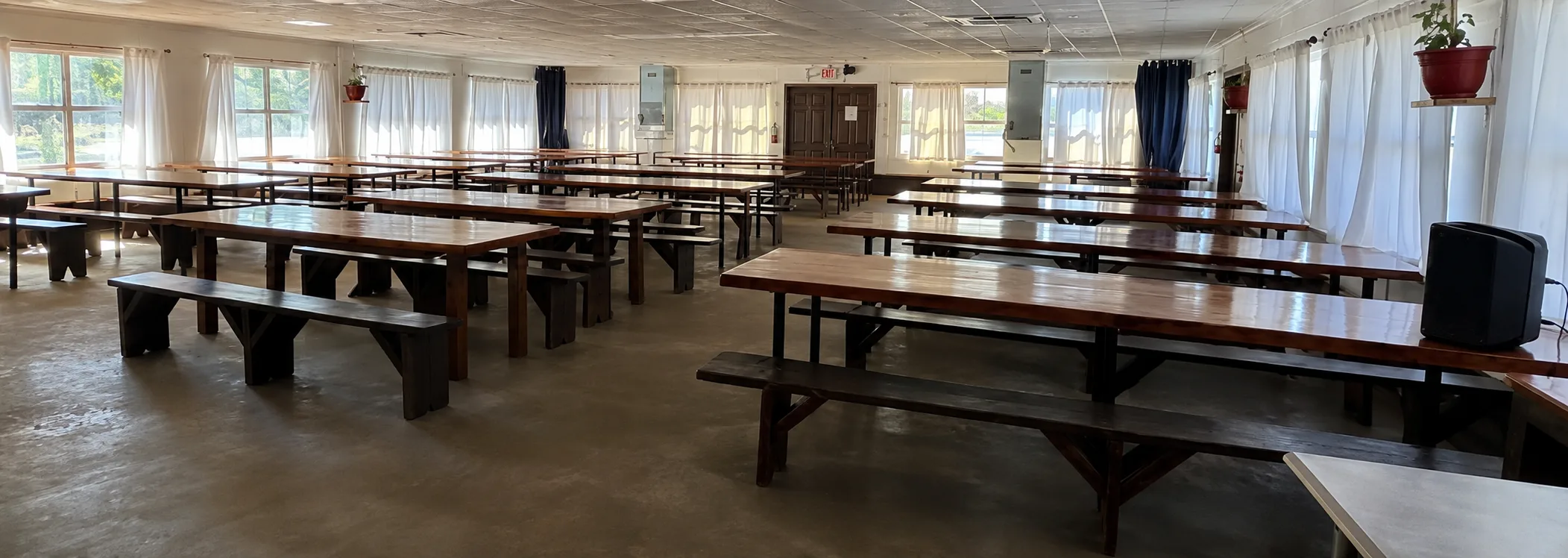
florida retreat venue
Group Retreat Venue in Florida

STEP 4: Build a Realistic Budget

A well-constructed budget protects your organization financially and eliminates last-minute surprises.

Core Budget Categories

Venue & Lodging: All-inclusive models simplify accounting by bundling overnight stays and facility access.

Food & Beverage: Factor in three full meals daily plus continuous hydration stations and evening snacks.

Programming & Guest Speakers: Honorariums, travel stipends, and specialized AV equipment rentals.

Activities & Materials: Specialized gear, workbook printing, welcome bags, and craft/adventure supplies.

Transportation: Charter bus rentals, fuel, or parking permits.

Contingency Buffer: Always hold a 10% to 15% reserve for unexpected head-count shifts or additions.

Planner’s Tip from Mike Sokol:

“Many organizers under-budget for the ‘soft costs’ — things like specialized snacks, late-night campfire s’mores kits, or small arrival gifts that elevate the experience. Build that cushion into your initial ticket pricing.”

To evaluate detailed line-item budget models, read our dedicated guide: How to Budget for a Church or Youth Group Retreat in Florida

STEP 5: Choose the Best Time of Year in Florida

Florida offers exceptional year-round climate advantages, but understanding seasonal nuances helps you optimize schedule planning and budget efficiency:

Winter (Dec – Feb): Ideal 60°F–75°F weather. Prime season for groups escaping northern climates. Excellent for outdoor bonfires, field sports, and intense outdoor programming. Books 8–12 months in advance.

Spring (Mar – May): Warm temperatures and low humidity before summer. Perfect window for school leadership trips, church spring retreats, and team-building weekends.

Summer (Jun – Aug): Hot and humid with afternoon rain showers. Highly effective for youth camps and water-centric retreats when paired with climate-controlled indoor backup spaces and private lake access.

Fall (Sep – Nov): Comfortable temperatures, beautiful light, and excellent calendar availability. Outstanding value for corporate planning, leadership retreats, and fall kickoff events.

Planner’s Tip from Mike Sokol:

“Winter and early spring in Central Florida are unmatched. Out-of-state groups are often amazed that they can hold outdoor breakout sessions comfortably in January. It completely revitalizes the group’s energy.”

STEP 6: Create Your Retreat Schedule

A successful schedule has rhythm: structured learning or worship balanced intentionally with unstructured breathing room. Avoid the common temptation to overcrowd every hour.

Master Weekend Schedule Template (Friday – Sunday)

FRIDAY: ARRIVAL & GROUNDING

3:00 PM  —  Guest Arrival, Check-In & Cabin/Room Assignment

5:30 PM  —  Orientation & Opening Gathering

6:30 PM  —  Chef-Prepared Welcome Dinner

8:00 PM  —  Main Session #1 / Keynote / Opening Worship

9:30 PM  —  Night Campfire, S’mores & Free Connection Time

SATURDAY: DEEP WORK & RECREATION

7:30 AM  —  Optional Morning Movement / Lakeside Walk

8:30 AM  —  Farm-Fresh Breakfast

9:30 AM  —  Main Session #2 / Strategic Workshops

12:30 PM —  Chef-Prepared Lunch

1:30 PM  —  Open Recreation (Kayaking, Archery, Swimming, Sports)

5:00 PM  —  Small Group Breakouts & Personal Reflection Time

6:30 PM  —  Group Dinner & Celebration

8:00 PM  —  Main Session #3 / Evening Program

9:30 PM  —  Stargazing, Outdoor Movies, or Fireside Fellowship

SUNDAY: INTEGRATION & DEPARTURE

8:00 AM  —  Breakfast & Packing

9:30 AM  —  Final Main Session, Integration & Closing Ceremony

11:30 AM —  Check-Out & Departure (Packed lunches available)

Planner’s Tip from Mike Sokol:

“Some of the most transformative conversations happen during unstructured time — walking to the dining hall, paddling on the lake, or sitting around the campfire. Build breathing room into the schedule on purpose.”

For customizable Word/Excel schedule templates, visit: Sample Weekend Retreat Schedule Guide

STEP 7: Choose Activities & Dining That Build Connection

Activities and meals should serve the primary mission of your event, not merely act as schedule fillers.

Purposeful Activity Integration

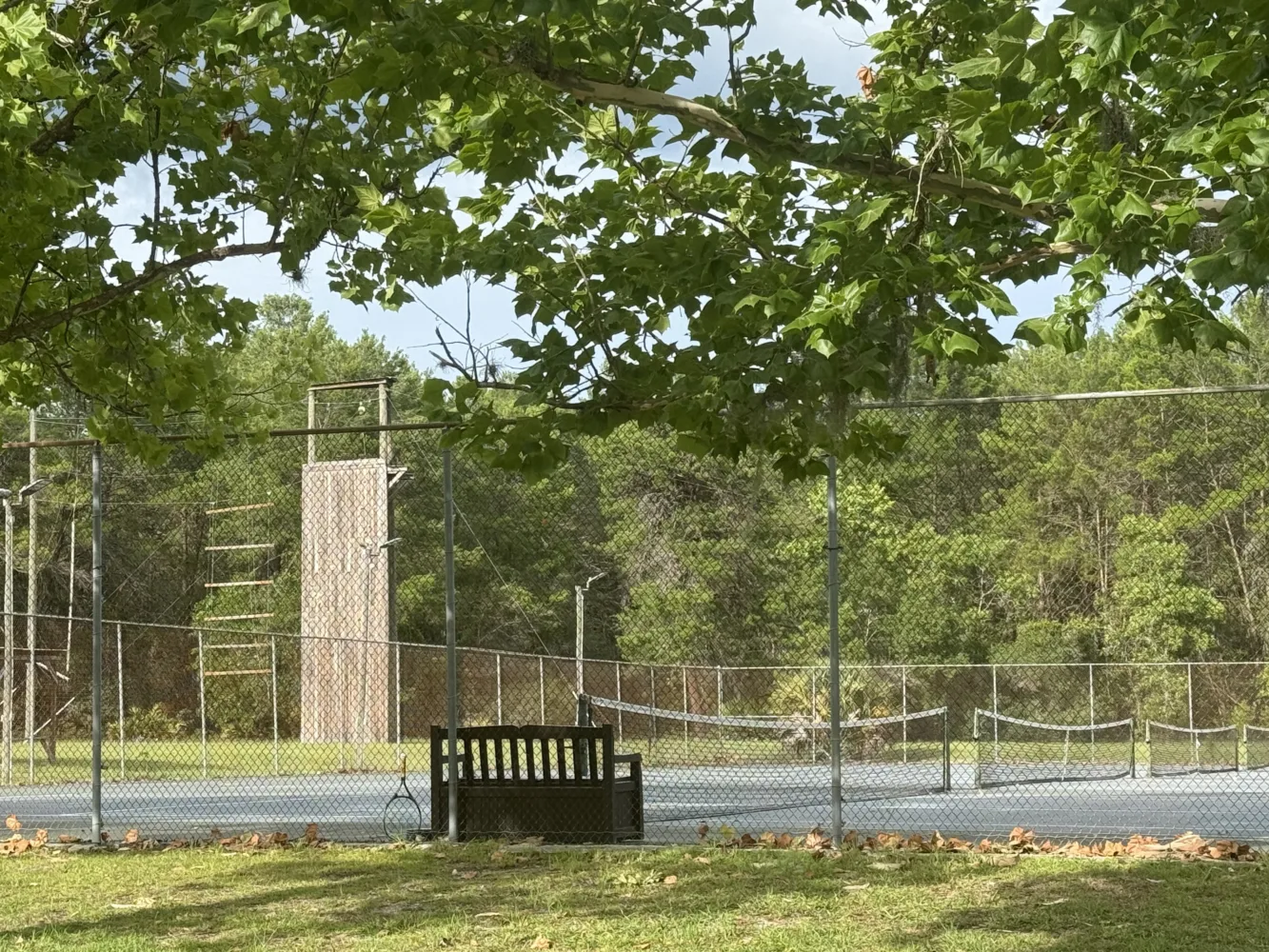
Team Building Challenges: Low-ropes elements, team archery contests, and group problem-solving exercises build trust.

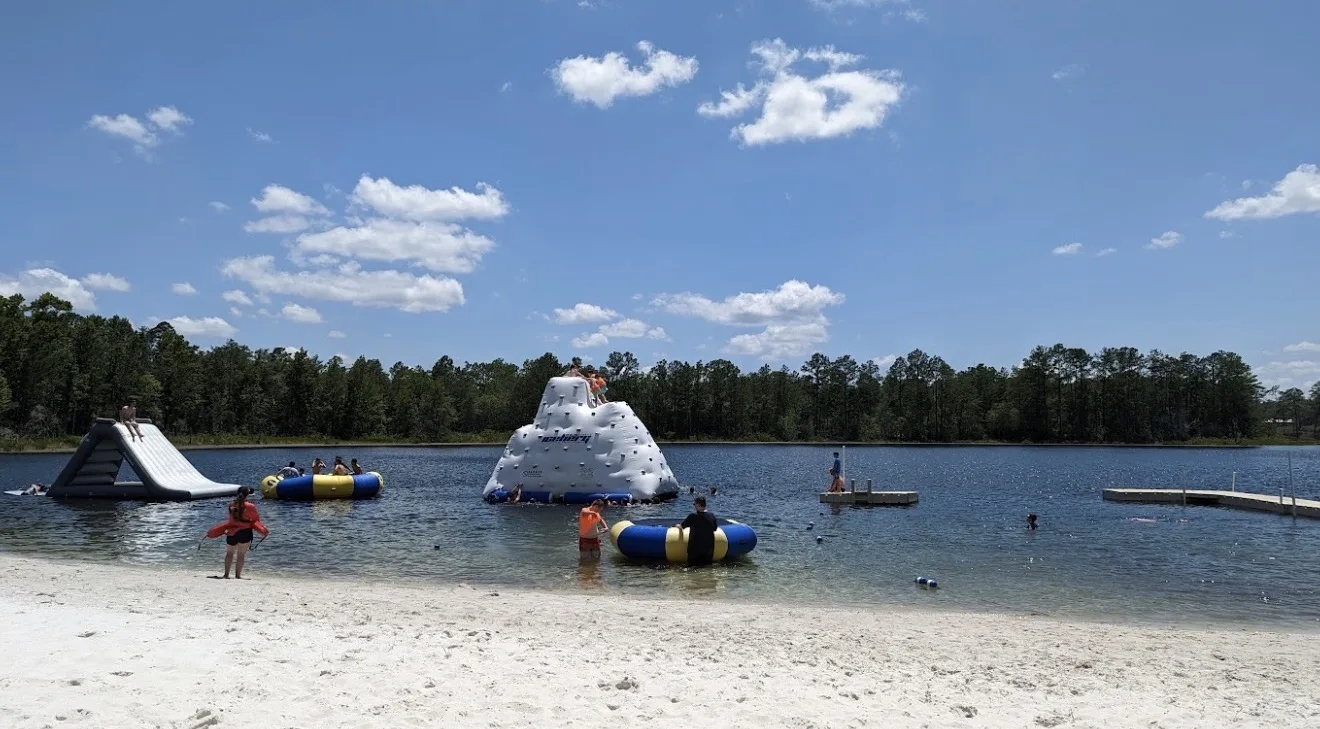
Waterfront Recreation: Swimming, canoeing, kayaking, and paddleboarding on a private spring-fed lake provide natural stress relief.

Evening Campfires: Gathering around an open fire creates an informal environment ideal for reflection, music, and deep conversation.

Sports & Field Games: Basketball, volleyball, soccer, gaga ball, and open field access give high-energy groups constructive outlets.

Elevating the Culinary Experience

Food is a central pillar of retreat satisfaction. Generic concession food or cold box lunches undermine an otherwise high-quality event. Look for venues featuring dedicated on-site chefs capable of tailoring menus to your group’s exact needs — including Vegan, Vegetarian, Gluten-Free, Dairy-Free, and high-protein requirements.

At Orange Springs Retreat Center, Chef Kevin works directly with organizers to design custom, fresh group meal plans served family-style to keep your attendees energized and connected.

Planner’s Tip from Mike Sokol:

“Great activities create shared memories without feeling forced. Having exclusive access to a private lake and open fields gives your attendees natural permission to relax and bond on their own terms.”
group retreat activities

STEP 8: Questions Every Organizer Should Ask Before Booking

Use this essential checklist during venue walkthroughs and booking calls:

Exclusive Access: Will our group be the only organization on the entire property during our dates?

Property Safety: Is the campus closed to the general public while our group is on-site?

Catering Operations: Are meals prepared fresh on-site, and can custom dietary needs be accommodated without extra hassle?

Weather Contingencies: Is there a climate-controlled indoor space large enough to hold our entire group if rain occurs?

Lodging & Facilities: Are meeting rooms and sleeping quarters fully air-conditioned and heated?

Vehicle Access: Is there sufficient parking and turning clearance for charter buses and vans?

On-Site Support: Is there a dedicated venue liaison and property caretaker available on-site to assist with logistics, fires, and equipment?

Planner’s Tip from Mike Sokol:

“Ask every venue point-blank: ‘Will there be any other group, public event, or outside guests on the property during our stay?’ That single answer will reveal more about the actual quality of your experience than anything else.”

STEP 9: Common Mistakes Retreat Organizers Make

Having hosted hundreds of group events over two decades, we regularly see organizers fall into the same preventable traps:

Cramming the Itinerary: Over-scheduling causes mental and physical exhaustion, leaving no energy for genuine connection.

Booking Shared Facilities to Save Money: Sharing a campus with competing groups frequently leads to schedule collisions, dining delays, noise issues, and lost privacy.

Underestimating Travel Logistics: Ignoring real-world driving times from airports or major cities causes arrival delays and frays nerves before the first session starts.

Delaying Venue Reservation: Premier exclusive-use venues fill their seasonal calendars 8 to 12 months in advance. Waiting too long forces unwanted compromises.

Overlooking Support Staff: Trying to manage AV, light evening fires, handle room issues, and run sessions simultaneously burns out event leaders.

Planner’s Tip from Mike Sokol:

“The organizers who host the most impactful retreats are those who protect margin in their schedule and partner with a venue team that handles operational heavy lifting for them.”

STEP 10: Why Exclusive-Use Retreats Create Superior Outcomes

Exclusive-use is not merely a luxury — it is a foundational strategy for achieving deep group connection and meaningful transformation.

The Exclusive-Use Advantage

SHARED / PUBLIC VENUES:

  • Competing ambient noise from other groups
  • Strict, shared dining slots that break your flow
  • Guarded, public atmosphere that prevents real vulnerability
  • Restricted facility access and constant coordination

EXCLUSIVE-USE PRIVATE VENUES:

  • 100% focused group environment — your energy stays intact
  • Custom meal times & completely flexible flow
  • Deep psychological safety — people open up faster
  • Full access to all 100+ acres without compromise

When your organization controls the entire environment:

Distractions Disappear: Conversations stay focused on your mission instead of competing noise.

Cohesion Accelerates: Attendees interact continuously — whether walking paths, eating meals, or relaxing by the water.

Flexibility Is Absolute: If a morning session moves deeply and runs 20 minutes over, you simply adjust your dining time without penalty or stress.

To explore the psychological impact of event privacy in more depth, read our pillar piece: Why Exclusive-Use Retreats Create Better Outcomes

STEP 11: Comprehensive 12-Month Planning Timeline

12 TO 9 MONTHS OUT

  • Define purpose statement, target attendance, and event budget.
  • Research venue options; conduct site walkthroughs.
  • Lock in venue dates, sign contract, and pay deposit.

6 TO 4 MONTHS OUT

  • Finalize speaker lineup, workshop curriculum, and theme.
  • Launch registration portal & distribute early-bird promotional materials.
  • Conduct preliminary check-in with venue liaison regarding logistics.

90 TO 60 DAYS OUT

  • Gather attendee dietary restrictions, rooming preferences, and t-shirt sizes.
  • Submit preliminary schedule and custom menu ideas to venue chef.
  • Confirm charter bus bookings and travel schedules.

30 DAYS OUT TO EVENT DAY

  • Provide final rooming assignments and headcount to venue.
  • Distribute attendee welcome packets (packing list, directions, schedule).
  • Arrive on-site 2 hours prior to guest arrival to set up meeting spaces.

STEP 12: Ultimate Retreat Planning Checklist

Keep this operational checklist accessible throughout your planning cycle:

Vision: Core purpose statement established and approved by leadership.

Venue: Exclusive-use property reserved; deposit secured.

Budget: Income and expense model locked with a 10%+ contingency reserve.

Transportation: Bus or van fleet booked; directions sent to drivers.

Catering: Dietary requirements compiled and reviewed with the head chef.

Schedule: Master itinerary built with clear reflection and recreation blocks.

Staffing: On-site venue team (Liaison, Caretaker, Chef) briefed on event flow.

Note: You can request our downloadable, printable PDF version of the complete Orange Springs Retreat Planning Checklist via our website contact form.
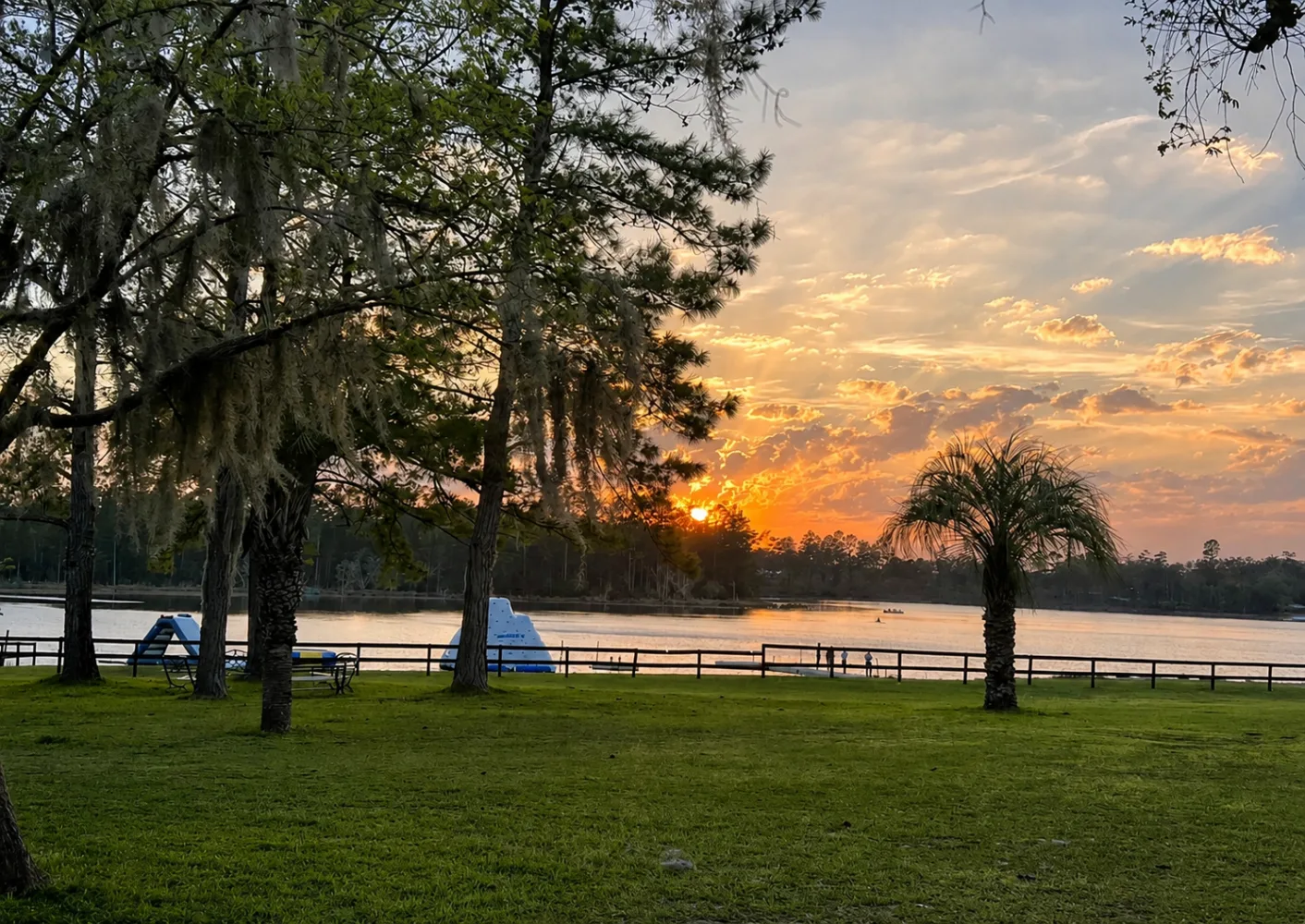
winter retreat venue
group retreat winter

Frequently Asked Questions

Can I rent an entire retreat center exclusively for my group?

Yes. True exclusive-use retreat centers rent their entire campus — including all lodging, meeting spaces, private lakes, and dining facilities — to one single group at a time.

How much does it cost to host a retreat in Florida?

Costs vary based on group size, duration, season, and inclusions. All-inclusive models that combine lodging, facility access, recreation, and three daily meals into a flat per-person rate generally provide significantly greater value and predictability than traditional hotel packages.

What is the ideal group size for Orange Springs Retreat Center?

Our property is optimized specifically for medium-to-large private groups ranging from 60 to 200+ guests.

Can schools and youth groups book private retreat centers?

Yes. Exclusive-use properties are ideal for schools, youth groups, and athletic teams because a closed property boundary makes chaperone supervision, student safety, and group accountability straightforward.

How far in advance should we reserve our retreat dates?

Because premier private venues host only one group at a time, dates are strictly limited. We recommend locking in your preferred season 8 to 12 months in advance.

How are rain and unexpected weather handled?

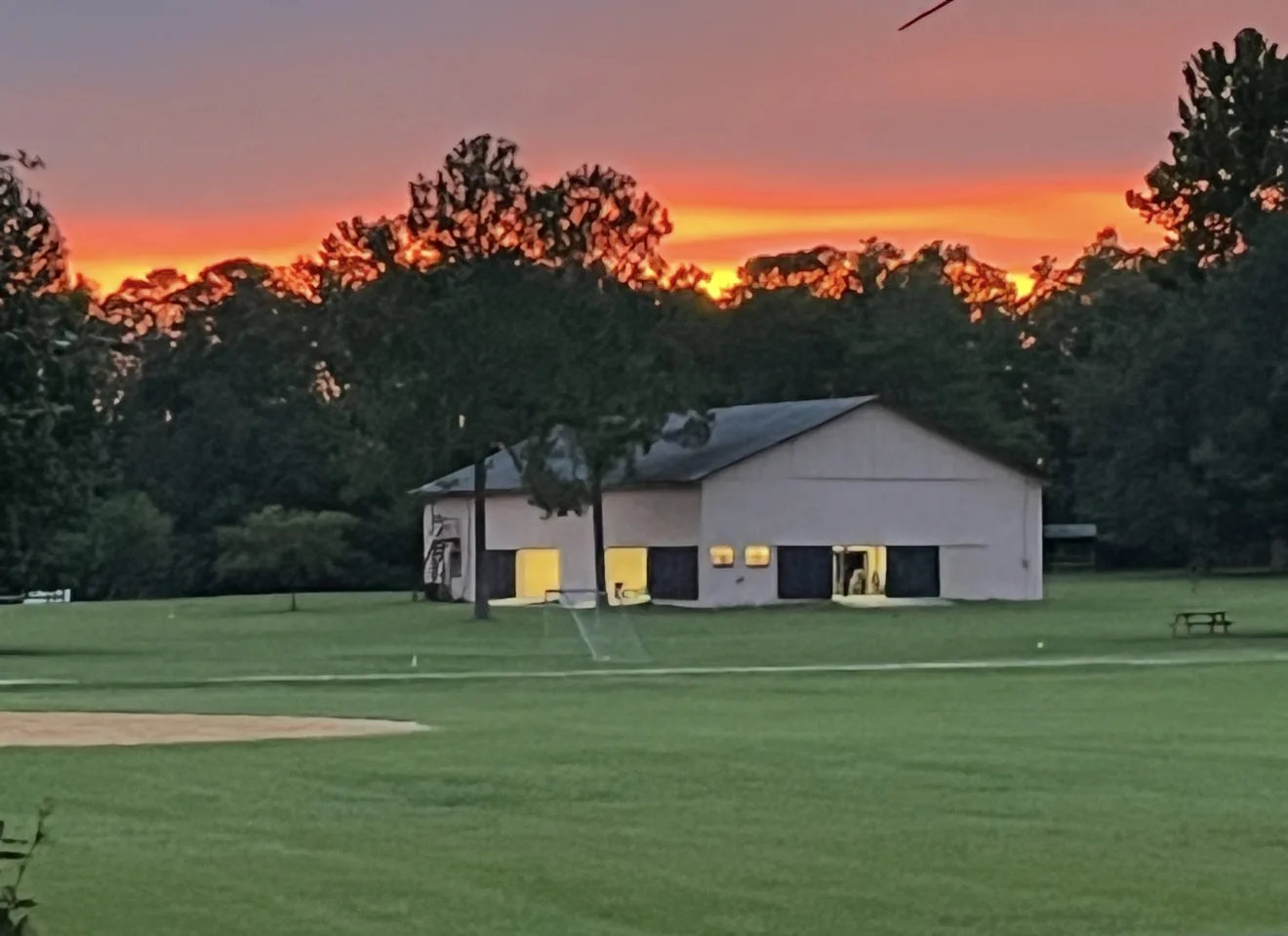
High-quality retreat facilities feature large, climate-controlled indoor spaces (such as indoor fieldhouses, assembly halls, or covered pavilions) so schedules can transition indoors instantly without loss of momentum.

Conclusion: Focus on the Environment That Creates Connection

Hosting a successful retreat is not about finding the most extravagant commercial resort. It is about choosing an environment that removes friction, eliminates public distractions, and gives your organization the dedicated physical and mental space to bond, focus, and grow.

If you are looking for a true exclusive-use private venue in Central Florida designed specifically for groups of 60 to 200+ guests, we invite you to explore Orange Springs Retreat Center.

Our 100+ acre lakefront campus, dedicated culinary team, and experienced staff exist to help leaders like you execute retreats that leave a lasting impact.
rent a summer camp for a weekend in Florida
rent a summer camp for a weekend

Related Resources

Continue planning your 2027 retreat with these helpful guides:

“Written by Mike Sokol, Owner of Orange Springs Retreat Center since 2002. With over 20 years of experience hosting youth camps and group retreats, Mike shares insights to help camp directors find the right venue.”

📞 561-221-7773

🌐 orangespringsretreat.com

Located just south of Gainesville, Florida, Orange Springs Retreat Center offers Group Retreat Rentals, Fall & Spring School/Church Camp venue, and an ideal Summer Camp Location. What separates us from other retreat venues is true exclusivity:

“One Group At a Time Always- No Shared Spaces, No Outside Guests”

Check out how Orange Springs Retreat Center was featured in the New York Times.

Website: orangespringsretreat.com

Let’s build something meaningful together.
host your own retreat
How to Host Your Own Retreat in Florida: The Complete Step-by-Step Guide for Organizers (2027 Edition)

Everything you need to plan a successful church retreat, school retreat, youth camp, leadership retreat, corporate retreat, nonprofit gathering, or private group event — from choosing the right venue to budgeting, scheduling, and creating an unforgettable experience.

Planning a retreat is one of the most meaningful responsibilities you can undertake for your organization. Done well, it creates space for deep connection, strategic alignment, spiritual growth, and memories that endure for years. Done poorly, it becomes a logistical headache that drains energy instead of building it.

This guide exists to help you execute it seamlessly.

After more than two decades of hosting private groups of 60 to 200+ guests, we have seen what works — and what quietly undermines even the best intentions. The single biggest factor that consistently separates transformative retreats from merely “okay” ones is true exclusive-use: when your group has the entire property to itself with zero outside groups or public distractions on-site.

That is the exact model we built at Orange Springs Retreat Center on our 100+ acre lakefront campus in Central Florida. One group at a time. Total control over your schedule, dining, and atmosphere. No shared meeting spaces. No competing noise.

Whether you are planning for a church, school, youth group, leadership team, corporate organization, nonprofit, or private family gathering, this step-by-step master guide walks you through the entire process from concept to departure.

Why This Guide Exists

Most online resources about hosting retreats fall into two categories: generic 7-step blog posts focused narrowly on boutique wellness, or transactional sales listings for small vacation rentals. Neither serves the complex operational needs of churches, schools, corporate teams, and mid-to-large groups seeking private experiences at scale.

This guide is different. It is built from decades of hands-on property management and event execution. It focuses on practical decisions that actually move the needle — from budgeting models and meal planning to mastering schedule rhythm and leveraging exclusive-use environments.

group retreat Florida
Venue for private group retreats

STEP 1: Define Your Retreat’s Purpose

Before looking at calendars, photos, or activity lists, clarify why you are hosting this retreat and who it is designed to serve. Different goals require fundamentally different environments, pacing, and operational support.

Common Retreat Types & Their Core Needs

Church & Ministry Retreats: Requires quiet outdoor spaces, large assembly halls for worship/teaching, small group breakout areas, and shared dining that fosters genuine fellowship.

School & Youth Retreats: Requires high-capacity climate-controlled lodging, robust safety boundaries, versatile recreation (lake, sports fields), and clear chaperone facilities.

Leadership & Corporate Retreats: Focuses on strategic alignment, vision casting, and executive rejuvenation. Requires reliable AV technology, private meeting spaces, and distraction-free grounds.

Band Camps & Athletic Teams: Focuses on intensive rehearsal or physical training paired with team cohesion. Requires large indoor practice fields or fieldhouses, outdoor training grounds, and protein-rich, high-volume group dining.

Nonprofit & Family Gatherings: Focuses on multi-generational connection, relaxed pacing, shared storytelling, and versatile activity options.

Planner’s Tip from Mike Sokol:

“One of the biggest mistakes we see is groups trying to be everything to everyone. When you clearly define the primary purpose first, every subsequent decision — venue selection, schedule flow, catering menus — becomes significantly easier and far more effective.”

Action Step: Draft a one-sentence Purpose Statement. Example: “This 3-day leadership retreat will equip our incoming student officers with strategic planning tools, deepen interpersonal trust, and clarify our annual mission through focused workshops, outdoor team challenges, and structured reflection.”

retreat venue florida
group retreat florida

STEP 2: Choose the Right Florida Retreat Venue

Your venue selection is the single most consequential choice you will make. The right property removes operational friction and supports your mission; the wrong venue creates a constant stream of small disruptions that erode the attendee experience.

Venue Model Comparison Matrix

Venue TypePrivacySchedule ControlIdeal Group SizeDistractionsBest For
Exclusive-Use Retreat Center100% PrivateTotal Freedom60–200+NoneGroups wanting deep focus & connection
Shared Campuses / Church CampsSharedLimited slots20–100HighBudget groups okay with sharing
Commercial HotelsPublicStrict hours10–50HighCorporate events needing luxury
Conference CentersSemi-privateRigid blocks100–500+ModerateLarge business meetings
Vacation Rentals (VRBO)Private (small)High freedom10–20Space limitsSmall intimate groups

Why Geographic Location Matters

When picking a Florida location, balance travel accessibility with natural seclusion. Coastal resort towns bring public beach traffic, high seasonal rates, and severe summer weather risks. Choosing a Central Florida venue (such as properties bordering the Ocala National Forest) offers natural peace while maintaining easy driving access for participants flying or driving into major transportation hubs.

Florida Regional Access (to Orange Springs area):

  • Jacksonville International (JAX) — ~75 minutes
  • Orlando International (MCO) — ~90 minutes
  • Tampa International (TPA) — ~105 minutes

Planner’s Tip from Mike Sokol:

“Groups that choose true exclusive-use almost always tell us afterward that the complete privacy made the biggest difference. When attendees aren’t sharing a dining hall with three other loud groups or running into tourists in the hallway, their guards come down much faster.”

STEP 3: Estimate Attendance & Space Requirements

Your anticipated guest count dictates every financial and spatial decision. Group size directly impacts five core planning pillars:

Lodging Configurations: Ensure the venue provides flexible room layouts — such as private quarters for staff/chaperones and group cabins or suites for attendees.

Meeting Space Scale: A meeting room that is too small feels claustrophobic; one that is overly massive kills energy and intimacy. Look for versatile indoor fieldhouses or covered pavilions.

Dining Room Logistics: Determine whether meals are served buffet-style, family-style, or staggered based on your group’s flow.

Activity Rotations: Groups over 75 people require multi-track outdoor scheduling (e.g., rotating subgroups between archery, waterfront sports, and team building).

Transportation & Parking: Confirm that the property offers wide-turn access and dedicated parking for charter buses or large vans.

Action Step: Establish a firm registration floor (minimum needed to cover fixed costs) and a realistic ceiling (maximum venue capacity) early in the planning window.

florida retreat venue
Group Retreat Venue in Florida

STEP 4: Build a Realistic Budget

A well-constructed budget protects your organization financially and eliminates last-minute surprises.

Core Budget Categories

Venue & Lodging: All-inclusive models simplify accounting by bundling overnight stays and facility access.

Food & Beverage: Factor in three full meals daily plus continuous hydration stations and evening snacks.

Programming & Guest Speakers: Honorariums, travel stipends, and specialized AV equipment rentals.

Activities & Materials: Specialized gear, workbook printing, welcome bags, and craft/adventure supplies.

Transportation: Charter bus rentals, fuel, or parking permits.

Contingency Buffer: Always hold a 10% to 15% reserve for unexpected head-count shifts or additions.

Planner’s Tip from Mike Sokol:

“Many organizers under-budget for the ‘soft costs’ — things like specialized snacks, late-night campfire s’mores kits, or small arrival gifts that elevate the experience. Build that cushion into your initial ticket pricing.”

To evaluate detailed line-item budget models, read our dedicated guide: How to Budget for a Church or Youth Group Retreat in Florida

STEP 5: Choose the Best Time of Year in Florida

Florida offers exceptional year-round climate advantages, but understanding seasonal nuances helps you optimize schedule planning and budget efficiency:

Winter (Dec – Feb): Ideal 60°F–75°F weather. Prime season for groups escaping northern climates. Excellent for outdoor bonfires, field sports, and intense outdoor programming. Books 8–12 months in advance.

Spring (Mar – May): Warm temperatures and low humidity before summer. Perfect window for school leadership trips, church spring retreats, and team-building weekends.

Summer (Jun – Aug): Hot and humid with afternoon rain showers. Highly effective for youth camps and water-centric retreats when paired with climate-controlled indoor backup spaces and private lake access.

Fall (Sep – Nov): Comfortable temperatures, beautiful light, and excellent calendar availability. Outstanding value for corporate planning, leadership retreats, and fall kickoff events.

Planner’s Tip from Mike Sokol:

“Winter and early spring in Central Florida are unmatched. Out-of-state groups are often amazed that they can hold outdoor breakout sessions comfortably in January. It completely revitalizes the group’s energy.”

STEP 6: Create Your Retreat Schedule

A successful schedule has rhythm: structured learning or worship balanced intentionally with unstructured breathing room. Avoid the common temptation to overcrowd every hour.

Master Weekend Schedule Template (Friday – Sunday)

FRIDAY: ARRIVAL & GROUNDING

3:00 PM  —  Guest Arrival, Check-In & Cabin/Room Assignment

5:30 PM  —  Orientation & Opening Gathering

6:30 PM  —  Chef-Prepared Welcome Dinner

8:00 PM  —  Main Session #1 / Keynote / Opening Worship

9:30 PM  —  Night Campfire, S’mores & Free Connection Time

SATURDAY: DEEP WORK & RECREATION

7:30 AM  —  Optional Morning Movement / Lakeside Walk

8:30 AM  —  Farm-Fresh Breakfast

9:30 AM  —  Main Session #2 / Strategic Workshops

12:30 PM —  Chef-Prepared Lunch

1:30 PM  —  Open Recreation (Kayaking, Archery, Swimming, Sports)

5:00 PM  —  Small Group Breakouts & Personal Reflection Time

6:30 PM  —  Group Dinner & Celebration

8:00 PM  —  Main Session #3 / Evening Program

9:30 PM  —  Stargazing, Outdoor Movies, or Fireside Fellowship

SUNDAY: INTEGRATION & DEPARTURE

8:00 AM  —  Breakfast & Packing

9:30 AM  —  Final Main Session, Integration & Closing Ceremony

11:30 AM —  Check-Out & Departure (Packed lunches available)

Planner’s Tip from Mike Sokol:

“Some of the most transformative conversations happen during unstructured time — walking to the dining hall, paddling on the lake, or sitting around the campfire. Build breathing room into the schedule on purpose.”

For customizable Word/Excel schedule templates, visit: Sample Weekend Retreat Schedule Guide

STEP 7: Choose Activities & Dining That Build Connection

Activities and meals should serve the primary mission of your event, not merely act as schedule fillers.

Purposeful Activity Integration

Team Building Challenges: Low-ropes elements, team archery contests, and group problem-solving exercises build trust.

Waterfront Recreation: Swimming, canoeing, kayaking, and paddleboarding on a private spring-fed lake provide natural stress relief.

Evening Campfires: Gathering around an open fire creates an informal environment ideal for reflection, music, and deep conversation.

Sports & Field Games: Basketball, volleyball, soccer, gaga ball, and open field access give high-energy groups constructive outlets.

Elevating the Culinary Experience

Food is a central pillar of retreat satisfaction. Generic concession food or cold box lunches undermine an otherwise high-quality event. Look for venues featuring dedicated on-site chefs capable of tailoring menus to your group’s exact needs — including Vegan, Vegetarian, Gluten-Free, Dairy-Free, and high-protein requirements.

At Orange Springs Retreat Center, Chef Kevin works directly with organizers to design custom, fresh group meal plans served family-style to keep your attendees energized and connected.

Planner’s Tip from Mike Sokol:

“Great activities create shared memories without feeling forced. Having exclusive access to a private lake and open fields gives your attendees natural permission to relax and bond on their own terms.”

group retreat activities

STEP 8: Questions Every Organizer Should Ask Before Booking

Use this essential checklist during venue walkthroughs and booking calls:

Exclusive Access: Will our group be the only organization on the entire property during our dates?

Property Safety: Is the campus closed to the general public while our group is on-site?

Catering Operations: Are meals prepared fresh on-site, and can custom dietary needs be accommodated without extra hassle?

Weather Contingencies: Is there a climate-controlled indoor space large enough to hold our entire group if rain occurs?

Lodging & Facilities: Are meeting rooms and sleeping quarters fully air-conditioned and heated?

Vehicle Access: Is there sufficient parking and turning clearance for charter buses and vans?

On-Site Support: Is there a dedicated venue liaison and property caretaker available on-site to assist with logistics, fires, and equipment?

Planner’s Tip from Mike Sokol:

“Ask every venue point-blank: ‘Will there be any other group, public event, or outside guests on the property during our stay?’ That single answer will reveal more about the actual quality of your experience than anything else.”

STEP 9: Common Mistakes Retreat Organizers Make

Having hosted hundreds of group events over two decades, we regularly see organizers fall into the same preventable traps:

Cramming the Itinerary: Over-scheduling causes mental and physical exhaustion, leaving no energy for genuine connection.

Booking Shared Facilities to Save Money: Sharing a campus with competing groups frequently leads to schedule collisions, dining delays, noise issues, and lost privacy.

Underestimating Travel Logistics: Ignoring real-world driving times from airports or major cities causes arrival delays and frays nerves before the first session starts.

Delaying Venue Reservation: Premier exclusive-use venues fill their seasonal calendars 8 to 12 months in advance. Waiting too long forces unwanted compromises.

Overlooking Support Staff: Trying to manage AV, light evening fires, handle room issues, and run sessions simultaneously burns out event leaders.

Planner’s Tip from Mike Sokol:

“The organizers who host the most impactful retreats are those who protect margin in their schedule and partner with a venue team that handles operational heavy lifting for them.”

STEP 10: Why Exclusive-Use Retreats Create Superior Outcomes

Exclusive-use is not merely a luxury — it is a foundational strategy for achieving deep group connection and meaningful transformation.

The Exclusive-Use Advantage

SHARED / PUBLIC VENUES:

  • Competing ambient noise from other groups
  • Strict, shared dining slots that break your flow
  • Guarded, public atmosphere that prevents real vulnerability
  • Restricted facility access and constant coordination

EXCLUSIVE-USE PRIVATE VENUES:

  • 100% focused group environment — your energy stays intact
  • Custom meal times & completely flexible flow
  • Deep psychological safety — people open up faster
  • Full access to all 100+ acres without compromise

When your organization controls the entire environment:

Distractions Disappear: Conversations stay focused on your mission instead of competing noise.

Cohesion Accelerates: Attendees interact continuously — whether walking paths, eating meals, or relaxing by the water.

Flexibility Is Absolute: If a morning session moves deeply and runs 20 minutes over, you simply adjust your dining time without penalty or stress.

To explore the psychological impact of event privacy in more depth, read our pillar piece: Why Exclusive-Use Retreats Create Better Outcomes

STEP 11: Comprehensive 12-Month Planning Timeline

12 TO 9 MONTHS OUT

  • Define purpose statement, target attendance, and event budget.
  • Research venue options; conduct site walkthroughs.
  • Lock in venue dates, sign contract, and pay deposit.

6 TO 4 MONTHS OUT

  • Finalize speaker lineup, workshop curriculum, and theme.
  • Launch registration portal & distribute early-bird promotional materials.
  • Conduct preliminary check-in with venue liaison regarding logistics.

90 TO 60 DAYS OUT

  • Gather attendee dietary restrictions, rooming preferences, and t-shirt sizes.
  • Submit preliminary schedule and custom menu ideas to venue chef.
  • Confirm charter bus bookings and travel schedules.

30 DAYS OUT TO EVENT DAY

  • Provide final rooming assignments and headcount to venue.
  • Distribute attendee welcome packets (packing list, directions, schedule).
  • Arrive on-site 2 hours prior to guest arrival to set up meeting spaces.

STEP 12: Ultimate Retreat Planning Checklist

Keep this operational checklist accessible throughout your planning cycle:

Vision: Core purpose statement established and approved by leadership.

Venue: Exclusive-use property reserved; deposit secured.

Budget: Income and expense model locked with a 10%+ contingency reserve.

Transportation: Bus or van fleet booked; directions sent to drivers.

Catering: Dietary requirements compiled and reviewed with the head chef.

Schedule: Master itinerary built with clear reflection and recreation blocks.

Staffing: On-site venue team (Liaison, Caretaker, Chef) briefed on event flow.

Note: You can request our downloadable, printable PDF version of the complete Orange Springs Retreat Planning Checklist via our website contact form.

winter retreat venue
group retreat winter

Frequently Asked Questions

Can I rent an entire retreat center exclusively for my group?

Yes. True exclusive-use retreat centers rent their entire campus — including all lodging, meeting spaces, private lakes, and dining facilities — to one single group at a time.

How much does it cost to host a retreat in Florida?

Costs vary based on group size, duration, season, and inclusions. All-inclusive models that combine lodging, facility access, recreation, and three daily meals into a flat per-person rate generally provide significantly greater value and predictability than traditional hotel packages.

What is the ideal group size for Orange Springs Retreat Center?

Our property is optimized specifically for medium-to-large private groups ranging from 60 to 200+ guests.

Can schools and youth groups book private retreat centers?

Yes. Exclusive-use properties are ideal for schools, youth groups, and athletic teams because a closed property boundary makes chaperone supervision, student safety, and group accountability straightforward.

How far in advance should we reserve our retreat dates?

Because premier private venues host only one group at a time, dates are strictly limited. We recommend locking in your preferred season 8 to 12 months in advance.

How are rain and unexpected weather handled?

High-quality retreat facilities feature large, climate-controlled indoor spaces (such as indoor fieldhouses, assembly halls, or covered pavilions) so schedules can transition indoors instantly without loss of momentum.

Conclusion: Focus on the Environment That Creates Connection

Hosting a successful retreat is not about finding the most extravagant commercial resort. It is about choosing an environment that removes friction, eliminates public distractions, and gives your organization the dedicated physical and mental space to bond, focus, and grow.

If you are looking for a true exclusive-use private venue in Central Florida designed specifically for groups of 60 to 200+ guests, we invite you to explore Orange Springs Retreat Center.

Our 100+ acre lakefront campus, dedicated culinary team, and experienced staff exist to help leaders like you execute retreats that leave a lasting impact.

rent a summer camp for a weekend in Florida
rent a summer camp for a weekend

Related Resources

Continue planning your 2027 retreat with these helpful guides:

“Written by Mike Sokol, Owner of Orange Springs Retreat Center since 2002. With over 20 years of experience hosting youth camps and group retreats, Mike shares insights to help camp directors find the right venue.”

📞 561-221-7773

🌐 orangespringsretreat.com

Located just south of Gainesville, Florida, Orange Springs Retreat Center offers Group Retreat Rentals, Fall & Spring School/Church Camp venue, and an ideal Summer Camp Location. What separates us from other retreat venues is true exclusivity:

“One Group At a Time Always- No Shared Spaces, No Outside Guests”

Check out how Orange Springs Retreat Center was featured in the New York Times.

Website: orangespringsretreat.com

Let’s build something meaningful together.

Website developed in accordance with Web Content Accessibility Guidelines 2.2.
If you encounter any issues while using this site, please contact us: 561.221.7773