
Blog

The Shared-Campus Problem: Time.

When more than one group is on the same property, the retreat does not only lose privacy. It loses time. You wait for the meeting room. You wait for the dining hall to turn over. You wait for the other group to finish on the lake, the fields, or the gym. Those minutes come out of the program. They also come out of the informal time that is often the reason the group came.

Shared use and exclusive use are not the same retreat

Florida has two common ways a retreat campus can operate.

  • A shared-campus venue hosts more than one organization during the same stay. Groups may share dining periods, meeting rooms, recreation areas, or outdoor space.
  • An exclusive-use venue reserves the entire property for one organized group. Lodging, dining, meeting space, and recreation belong to that group for the stay.

Both models exist. Both can work. They do not produce the same weekend.

The model itself is explained here: Top Group Retreat Locations in Florida: Exclusive Venues vs. Shared Campuses.

This article is about what that model costs in minutes.

The hidden cost is not the rate. It is the wait.

Organizers usually compare the obvious items: beds, meals, a lake, a listed activity. They under-count the clock.

On a shared campus, time leaks in the same places every weekend:

  • the meeting room is assigned in blocks, so a session that needs 20 more minutes has to stop
  • the dining hall turns over for another group, so meals start when the facility is ready, not when the program is ready
  • the lake, pool, gym, or fields are in use, so recreation waits
  • an evening gathering starts late because the space is still occupied
  • a weather change now requires competing for the same indoor room as the other group

None of that appears as a line item called time. It still comes out of the retreat.

It comes out of cabin talks, free recreation, the extra worship block, and the conversation after dinner that only happens when nobody else has the room at 8:00.

Privacy and schedule are the same problem

Privacy is not only about who sleeps in the next cabin.

When another group is on the property, your students, church members, or adult participants are moving through shared hallways, shared restrooms, a shared waterfront, and a shared dining room. Supervision gets harder. The group culture gets thinner. People stay closer to their own cluster because the campus does not belong to them.

That is also why the schedule tightens. A venue that has to serve two organizations cannot let one group run long in the main room, keep the lake open after dinner, or move worship outdoors and then back inside without checking who else needs the space.

If you have to schedule the meeting room around another group, you have already lost time. If you have to wait for recreation to free up, you have already lost time.

Exclusivity is what protects both the privacy and the clock.

What exclusive use actually saves

At an exclusive-use campus, one organized group reserves the property. That group does not share the dining hall, the meeting rooms, the lake, or the fields with another rental group.

The practical result is simple:

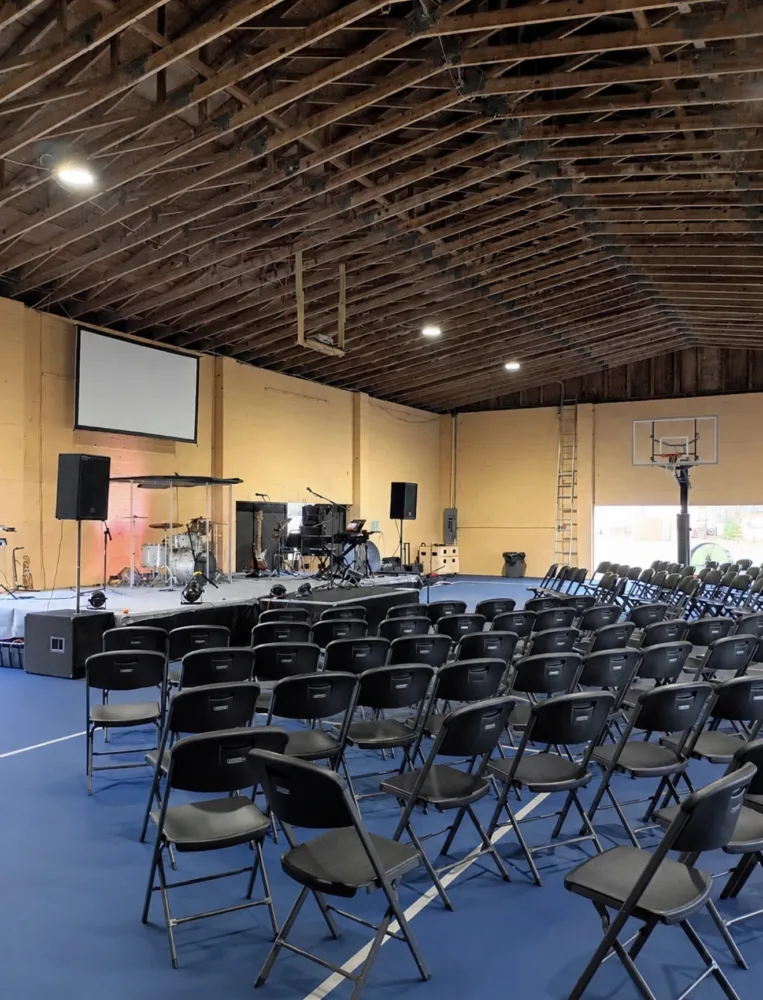
  • the large-group room is available when the program needs it
  • meals can follow the retreat, not a rotation
  • recreation happens on the group’s clock
  • a session can run long without colliding with someone else’s reservation
  • rain moves the group indoors without competing for the only large room

The point is not that every organization will use every amenity. The point is that the group does not have to wait for another organization to finish using them.
Adult camp Venue
Designed for Groups

What this looks like for schools

A high school or middle school overnight is already a supervision problem. Adding a second organization on campus makes it a coordination problem.

Chaperones cannot treat the lake, the dining hall, or the gym as the school’s space if another group is rotating through the same facilities. A class meeting that needs the large room at 9:00 now depends on whether that room is free. Recreation that was supposed to reset the afternoon becomes a wait.

When the school has the campus to itself, students can move from a large-group session to cabins, fields, and dinner without rebuilding the roster around another organization’s schedule.

The larger location test is here: What Makes a Great Group Retreat Location in Florida?.

What this looks like for churches and youth groups

Youth weekends live in the gaps.

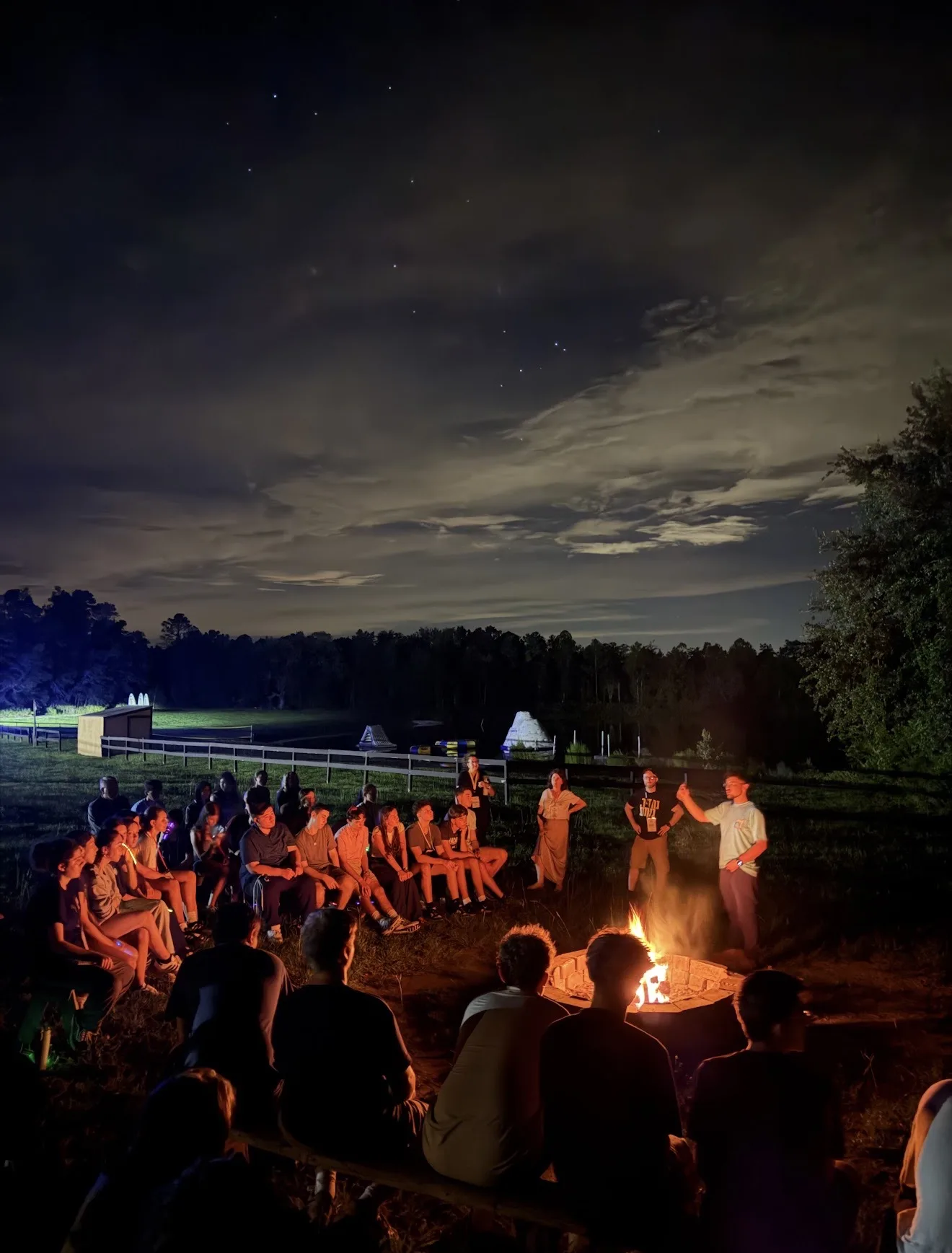
The planned sessions matter. So do the extra minutes after worship, the lake hour, and the unscripted conversation that starts when the schedule is not being watched by another group’s start time.

Those minutes are the first thing a shared campus takes. If the meeting room is booked at 8:00 for another organization, the gathering ends at 7:50 whether the room still needs the group or not. If the waterfront is reserved, recreation waits.

A one-group church or youth retreat keeps the campus inside one fence and one schedule. The program can run long. The evening can start when the group is ready.

What this looks like for adult, corporate, and private groups

Adult groups feel the shared campus in attention, not only in supervision.

If the retreat is supposed to produce focus — leadership, training, reunion, or a private adult camp — another organization’s noise in the dining hall or on the lake is a reset. People check out. Conversations stop. The weekend becomes a facility rental instead of a closed environment.

Exclusive use does not guarantee a better program. It does remove the other group from the clock.

A simple way to test any Florida venue

Before comparing amenities lists, ask the venue to walk a normal Friday-to-Sunday with another group on the property:

  1. Will any other organized group be on campus during our stay?
  2. Do we share the dining hall, and who sets meal times?
  3. Are meeting rooms reserved in blocks, or do they belong to our group for the weekend?
  4. Is the lake, gym, pool, or field scheduled around other groups?
  5. If a session runs long, what happens?
  6. If it rains, who else needs the indoor space we would move into?

If the honest answers involve waiting, assigned windows, or another organization in the same rooms, the hidden cost is already in the weekend.

How Orange Springs handles this

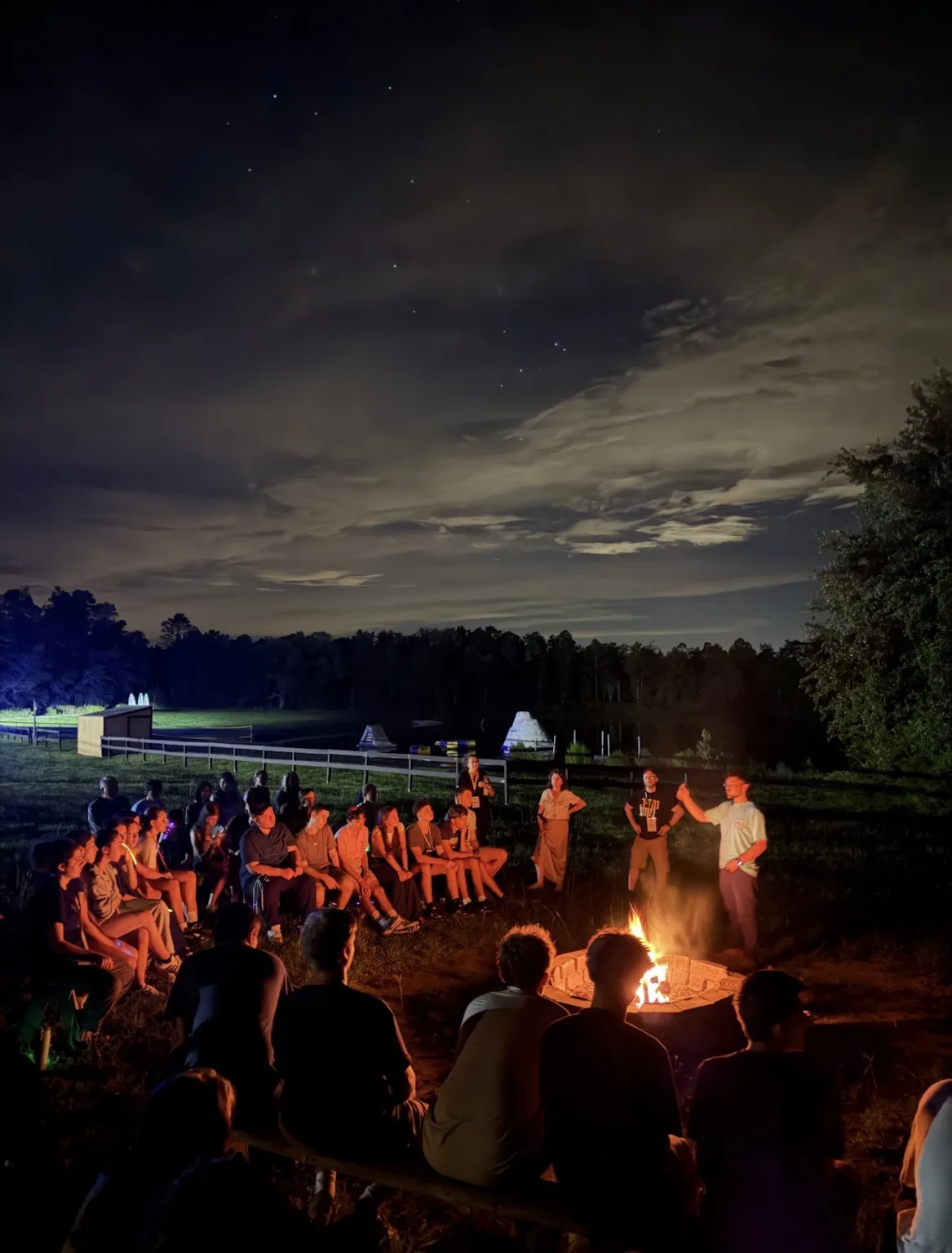
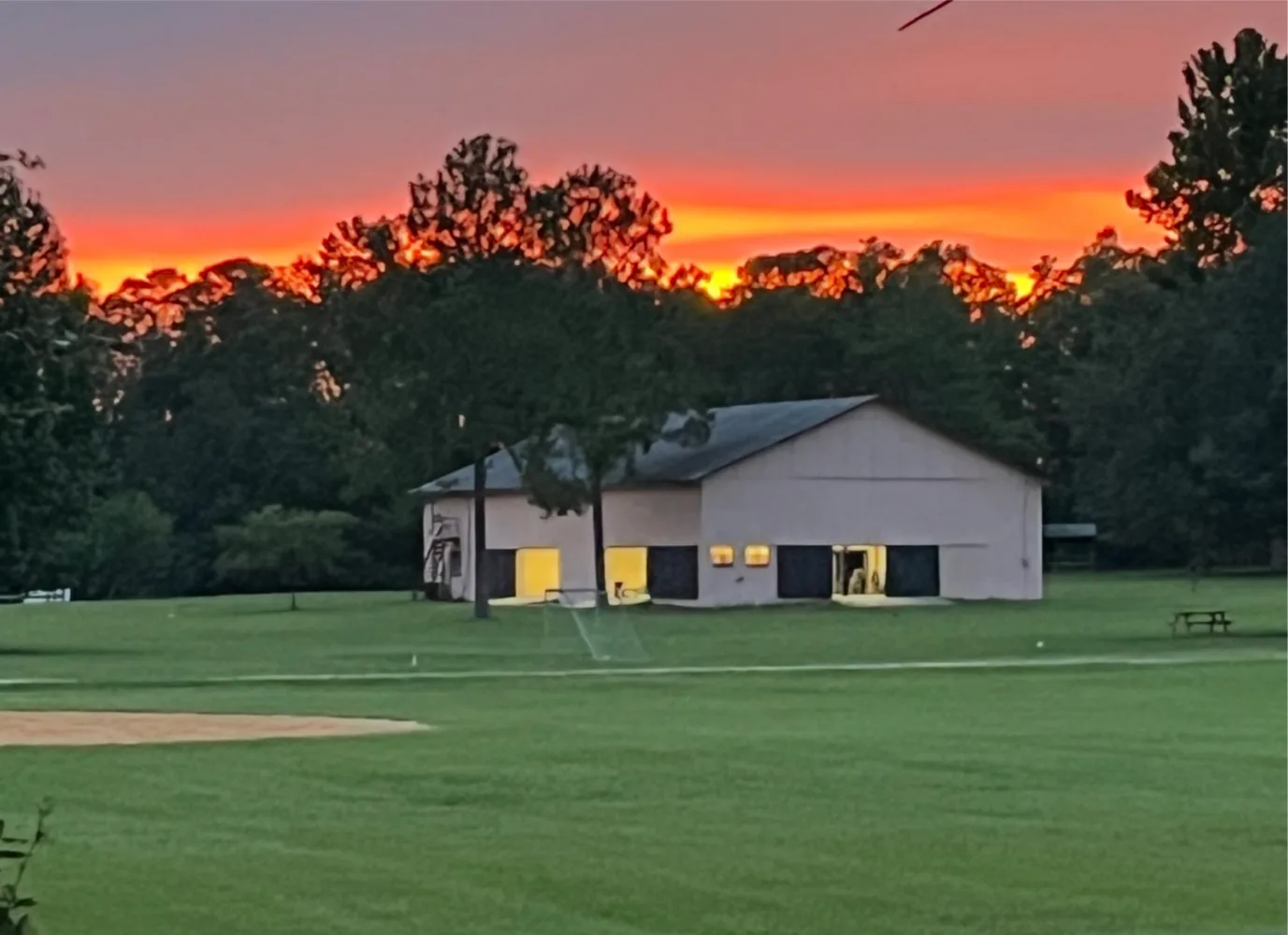
Orange Springs Retreat Center is an exclusive-use campus on more than 100 private acres just south of Gainesville, bordering the Ocala National Forest.

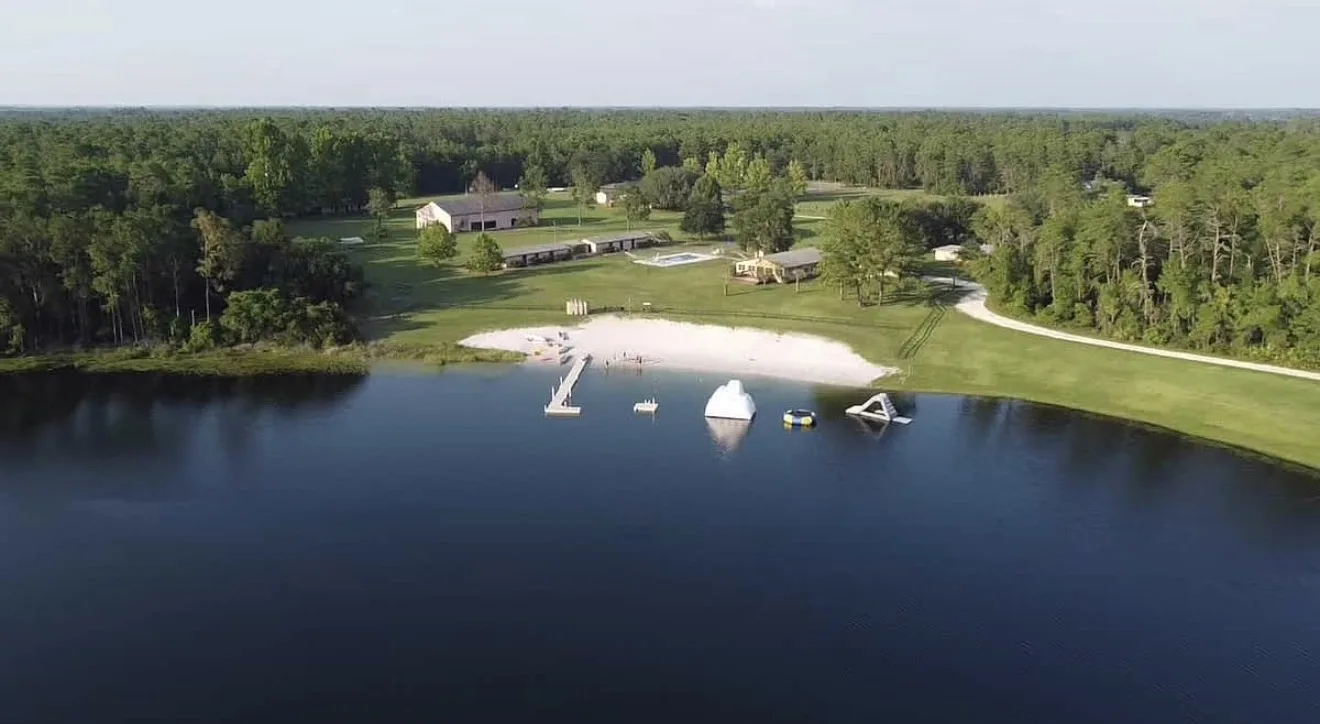
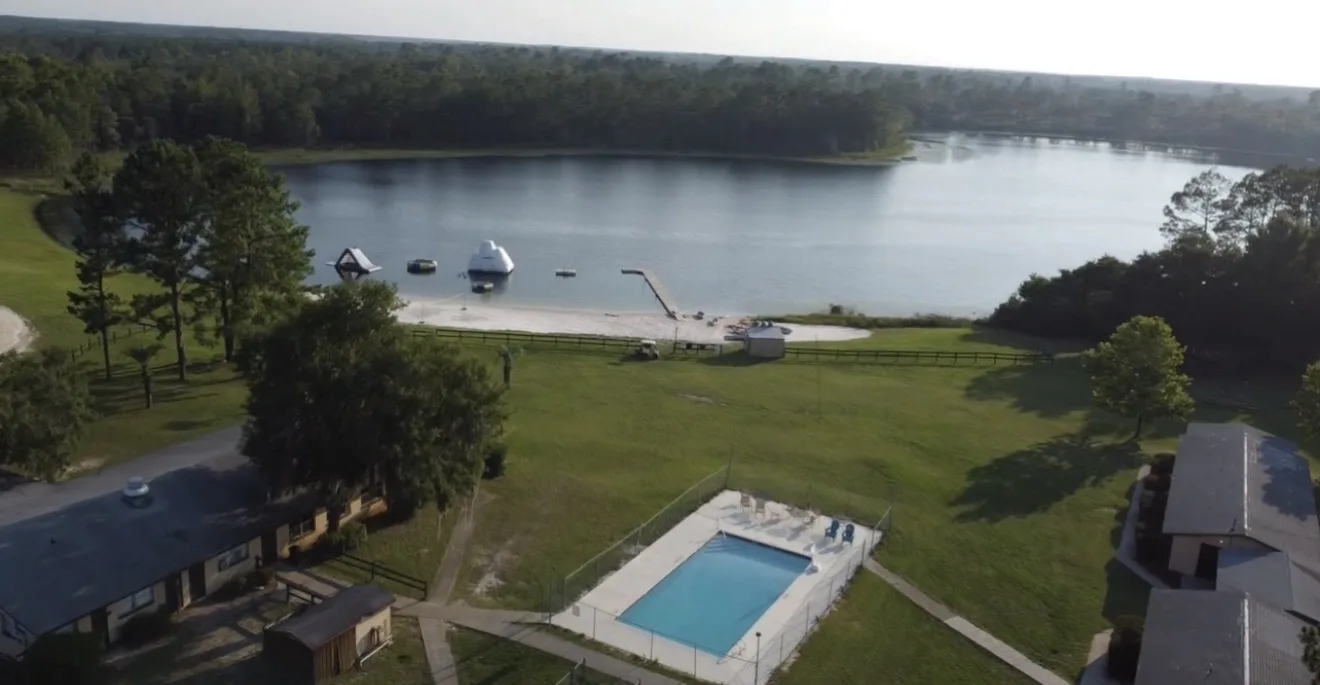
One organized group at a time reserves the property. That group receives the cabins, dining hall, meeting rooms, spring-fed lake with white-sand beach, sports fields, and recreation areas for the stay. We do not place a second rental group on campus. We do not divide the dining hall or the lake by organization.

We host groups of approximately 60 to 200+ guests — schools, churches, youth programs, and private organizations that need the campus to themselves.

The privacy is the point. The time saved is what that privacy makes possible.

Campus details: Amenities

Venue model: What Makes a Retreat Venue Truly Designed for Groups?

What this means for 2027 dates

An exclusive-use weekend is a single inventory item. It cannot be stacked with another group’s lodging, dining slot, or lake time.

That is why fall and spring weekends for schools and churches disappear first, and why 2027 conversations need a first-choice date and a backup pattern.

Orange Springs Retreat Center’s 2026 calendar is fully booked, with an active waitlist for cancellations. New reservations are focused on Fall 2027 through Summer 2028.

When Should You Book a 2027 Florida Group Retreat?

Rates, Availability & Booking Guide
Frequently asked questions

Is a shared campus the same as a split-site retreat?

No. A split-site retreat usually means lodging, meals, or activities sit on different properties. A shared campus keeps those pieces on one site and places more than one group on that site at the same time. Both cost time. They cost it in different ways.

Can a shared campus still work for a school or church?

Yes, especially for smaller groups that can accept assigned meal times and recreation windows. It is a weaker fit when the retreat depends on privacy, tight supervision, or a schedule the group controls.

Does exclusive use always cost more?

Not necessarily. Compare the full weekend: lodging, meals, meeting space, activities, staff time, and the hours lost waiting for rooms and recreation. The advertised rate is not the total cost.

What does exclusive use mean at Orange Springs?

One organized group reserves the entire campus. No shared spaces with another rental group. No outside guests on the property for that stay.

How large a group can stay on site?

The campus is designed primarily for organized groups of approximately 60 to 200+ guests. Minimums and available dates vary by season.
The one-campus advantage

The answer to split-site friction is not better shuttle coordination.

It is less shuttle coordination.

The most efficient retreat is not always the property with the shortest drive between facilities. It is the property that removes unnecessary drives.

When lodging, dining, meetings, recreation, and gathering spaces sit on one private campus, the group does not have to leave the retreat in order to have the retreat.

Keeping lodging, dining, meetings, and recreation on one property is one of the tests in What Makes a Great Group Retreat Location in Florida?.

Group design is the related question — whether the campus can hold the group as a group, not merely sleep it: What Makes a Retreat Venue Truly Designed for Groups?.

Exclusive-use still has to mean the whole campus, not a reserved wing: What Does “Exclusive-Use” Really Mean at a Retreat Center?.

When another organization shares dining, waterfront, or activity windows, the weekend splits even if the map shows one address: Top Group Retreat Locations in Florida: Exclusive Venues vs. Shared Campuses.

A split-site arrangement can work for some events. The question is whether it is the right operating model for your group.

The lowest room rate is not necessarily the lowest-cost retreat if the venue adds transportation, coordination, lost program time, and logistical stress to the weekend.

Sometimes the most valuable thing a retreat location can offer is simple: the group does not have to leave.

No second retreat competing for the dining hall.

No outside guests on the waterfront.

No separate property for the evening session.

The working picture of that campus: Group Retreat Venue in Florida.

Campus details: Orange Springs Retreat Center Amenities.

Because exclusive-use inventory is one group per weekend, popular dates disappear differently than rooms at a hotel or a split-site package. The 2026 calendar is fully booked, with an active waitlist for cancellations. New reservations are focused on Fall 2027 through Summer 2028.

When Should You Book a 2027 Florida Group Retreat?

Orange Springs Retreat Center Rates, Availability & Booking Guide

If a single campus and a single clock are what your group needs, start with three facts: estimated attendance, first-choice dates, and two backup date patterns.

Orange Springs Retreat Center

168 Camp Shalom Trail, Orange Springs, Florida 32182

One group at a time. Always.

No shared spaces. No outside guests.
Church Summer Camp Retreat
The Hidden Cost of a Shared-Campus Retreat Is Time

The Shared-Campus Problem: Time.

When more than one group is on the same property, the retreat does not only lose privacy. It loses time. You wait for the meeting room. You wait for the dining hall to turn over. You wait for the other group to finish on the lake, the fields, or the gym. Those minutes come out of the program. They also come out of the informal time that is often the reason the group came.

Shared use and exclusive use are not the same retreat

Florida has two common ways a retreat campus can operate.

  • A shared-campus venue hosts more than one organization during the same stay. Groups may share dining periods, meeting rooms, recreation areas, or outdoor space.
  • An exclusive-use venue reserves the entire property for one organized group. Lodging, dining, meeting space, and recreation belong to that group for the stay.

Both models exist. Both can work. They do not produce the same weekend.

The model itself is explained here: Top Group Retreat Locations in Florida: Exclusive Venues vs. Shared Campuses.

This article is about what that model costs in minutes.

The hidden cost is not the rate. It is the wait.

Organizers usually compare the obvious items: beds, meals, a lake, a listed activity. They under-count the clock.

On a shared campus, time leaks in the same places every weekend:

  • the meeting room is assigned in blocks, so a session that needs 20 more minutes has to stop
  • the dining hall turns over for another group, so meals start when the facility is ready, not when the program is ready
  • the lake, pool, gym, or fields are in use, so recreation waits
  • an evening gathering starts late because the space is still occupied
  • a weather change now requires competing for the same indoor room as the other group

None of that appears as a line item called time. It still comes out of the retreat.

It comes out of cabin talks, free recreation, the extra worship block, and the conversation after dinner that only happens when nobody else has the room at 8:00.

Privacy and schedule are the same problem

Privacy is not only about who sleeps in the next cabin.

When another group is on the property, your students, church members, or adult participants are moving through shared hallways, shared restrooms, a shared waterfront, and a shared dining room. Supervision gets harder. The group culture gets thinner. People stay closer to their own cluster because the campus does not belong to them.

That is also why the schedule tightens. A venue that has to serve two organizations cannot let one group run long in the main room, keep the lake open after dinner, or move worship outdoors and then back inside without checking who else needs the space.

If you have to schedule the meeting room around another group, you have already lost time. If you have to wait for recreation to free up, you have already lost time.

Exclusivity is what protects both the privacy and the clock.

What exclusive use actually saves

At an exclusive-use campus, one organized group reserves the property. That group does not share the dining hall, the meeting rooms, the lake, or the fields with another rental group.

The practical result is simple:

  • the large-group room is available when the program needs it
  • meals can follow the retreat, not a rotation
  • recreation happens on the group’s clock
  • a session can run long without colliding with someone else’s reservation
  • rain moves the group indoors without competing for the only large room

The point is not that every organization will use every amenity. The point is that the group does not have to wait for another organization to finish using them.

Adult camp Venue
Designed for Groups

What this looks like for schools

A high school or middle school overnight is already a supervision problem. Adding a second organization on campus makes it a coordination problem.

Chaperones cannot treat the lake, the dining hall, or the gym as the school’s space if another group is rotating through the same facilities. A class meeting that needs the large room at 9:00 now depends on whether that room is free. Recreation that was supposed to reset the afternoon becomes a wait.

When the school has the campus to itself, students can move from a large-group session to cabins, fields, and dinner without rebuilding the roster around another organization’s schedule.

The larger location test is here: What Makes a Great Group Retreat Location in Florida?.

What this looks like for churches and youth groups

Youth weekends live in the gaps.

The planned sessions matter. So do the extra minutes after worship, the lake hour, and the unscripted conversation that starts when the schedule is not being watched by another group’s start time.

Those minutes are the first thing a shared campus takes. If the meeting room is booked at 8:00 for another organization, the gathering ends at 7:50 whether the room still needs the group or not. If the waterfront is reserved, recreation waits.

A one-group church or youth retreat keeps the campus inside one fence and one schedule. The program can run long. The evening can start when the group is ready.

What this looks like for adult, corporate, and private groups

Adult groups feel the shared campus in attention, not only in supervision.

If the retreat is supposed to produce focus — leadership, training, reunion, or a private adult camp — another organization’s noise in the dining hall or on the lake is a reset. People check out. Conversations stop. The weekend becomes a facility rental instead of a closed environment.

Exclusive use does not guarantee a better program. It does remove the other group from the clock.

A simple way to test any Florida venue

Before comparing amenities lists, ask the venue to walk a normal Friday-to-Sunday with another group on the property:

  1. Will any other organized group be on campus during our stay?
  2. Do we share the dining hall, and who sets meal times?
  3. Are meeting rooms reserved in blocks, or do they belong to our group for the weekend?
  4. Is the lake, gym, pool, or field scheduled around other groups?
  5. If a session runs long, what happens?
  6. If it rains, who else needs the indoor space we would move into?

If the honest answers involve waiting, assigned windows, or another organization in the same rooms, the hidden cost is already in the weekend.

How Orange Springs handles this

Orange Springs Retreat Center is an exclusive-use campus on more than 100 private acres just south of Gainesville, bordering the Ocala National Forest.

One organized group at a time reserves the property. That group receives the cabins, dining hall, meeting rooms, spring-fed lake with white-sand beach, sports fields, and recreation areas for the stay. We do not place a second rental group on campus. We do not divide the dining hall or the lake by organization.

We host groups of approximately 60 to 200+ guests — schools, churches, youth programs, and private organizations that need the campus to themselves.

The privacy is the point. The time saved is what that privacy makes possible.

Campus details: Amenities

Venue model: What Makes a Retreat Venue Truly Designed for Groups?

What this means for 2027 dates

An exclusive-use weekend is a single inventory item. It cannot be stacked with another group’s lodging, dining slot, or lake time.

That is why fall and spring weekends for schools and churches disappear first, and why 2027 conversations need a first-choice date and a backup pattern.

Orange Springs Retreat Center’s 2026 calendar is fully booked, with an active waitlist for cancellations. New reservations are focused on Fall 2027 through Summer 2028.

When Should You Book a 2027 Florida Group Retreat?

Rates, Availability & Booking Guide

Frequently asked questions

Is a shared campus the same as a split-site retreat?

No. A split-site retreat usually means lodging, meals, or activities sit on different properties. A shared campus keeps those pieces on one site and places more than one group on that site at the same time. Both cost time. They cost it in different ways.

Can a shared campus still work for a school or church?

Yes, especially for smaller groups that can accept assigned meal times and recreation windows. It is a weaker fit when the retreat depends on privacy, tight supervision, or a schedule the group controls.

Does exclusive use always cost more?

Not necessarily. Compare the full weekend: lodging, meals, meeting space, activities, staff time, and the hours lost waiting for rooms and recreation. The advertised rate is not the total cost.

What does exclusive use mean at Orange Springs?

One organized group reserves the entire campus. No shared spaces with another rental group. No outside guests on the property for that stay.

How large a group can stay on site?

The campus is designed primarily for organized groups of approximately 60 to 200+ guests. Minimums and available dates vary by season.

The one-campus advantage

The answer to split-site friction is not better shuttle coordination.

It is less shuttle coordination.

The most efficient retreat is not always the property with the shortest drive between facilities. It is the property that removes unnecessary drives.

When lodging, dining, meetings, recreation, and gathering spaces sit on one private campus, the group does not have to leave the retreat in order to have the retreat.

Keeping lodging, dining, meetings, and recreation on one property is one of the tests in What Makes a Great Group Retreat Location in Florida?.

Group design is the related question — whether the campus can hold the group as a group, not merely sleep it: What Makes a Retreat Venue Truly Designed for Groups?.

Exclusive-use still has to mean the whole campus, not a reserved wing: What Does “Exclusive-Use” Really Mean at a Retreat Center?.

When another organization shares dining, waterfront, or activity windows, the weekend splits even if the map shows one address: Top Group Retreat Locations in Florida: Exclusive Venues vs. Shared Campuses.

A split-site arrangement can work for some events. The question is whether it is the right operating model for your group.

The lowest room rate is not necessarily the lowest-cost retreat if the venue adds transportation, coordination, lost program time, and logistical stress to the weekend.

Sometimes the most valuable thing a retreat location can offer is simple: the group does not have to leave.

No second retreat competing for the dining hall.

No outside guests on the waterfront.

No separate property for the evening session.

The working picture of that campus: Group Retreat Venue in Florida.

Campus details: Orange Springs Retreat Center Amenities.

Because exclusive-use inventory is one group per weekend, popular dates disappear differently than rooms at a hotel or a split-site package. The 2026 calendar is fully booked, with an active waitlist for cancellations. New reservations are focused on Fall 2027 through Summer 2028.

When Should You Book a 2027 Florida Group Retreat?

Orange Springs Retreat Center Rates, Availability & Booking Guide

If a single campus and a single clock are what your group needs, start with three facts: estimated attendance, first-choice dates, and two backup date patterns.

Orange Springs Retreat Center

168 Camp Shalom Trail, Orange Springs, Florida 32182

One group at a time. Always.

No shared spaces. No outside guests.
Church Summer Camp Retreat
Website developed in accordance with Web Content Accessibility Guidelines 2.2.
If you encounter any issues while using this site, please contact us: 561.221.7773