7 Things Planners Should Look For
By Mike Sokol, Owner, Orange Springs Retreat Center
September 2026 · Approximately 9-minute read
A Florida group retreat succeeds when the location makes the weekend easier to reach, easier to run, and more useful for the people who actually attend. Beauty helps. Activities help. Neither one is the decision.
The better question is not “Which venue looks the best?” It is “Which location lets this group stay together, eat together, meet together, and use the campus as one environment?”
That is what separates a true group retreat location from a property that simply offers lodging in Florida.
What makes a great group retreat location in Florida?
The strongest locations combine accessibility, true exclusive-use privacy, group-designed facilities, on-site lodging and dining, flexible meeting and recreation space, experienced group operations, and a setting that matches the purpose of the retreat. For groups of 60–200 or more, those factors can matter more than the number of amenities listed on a venue website.
The seven tests below are how a school administrator, youth pastor, ministry team, corporate organizer, or adult-camp leader can judge any property.
1. A Central Florida location that works for the people coming
Geography is not a branding line. It is a logistics problem.
A group retreat that draws from more than one city needs a site that is reachable without turning the first day into a travel day. Coastal properties can be beautiful and still be the wrong choice if attendees are fighting tourist traffic, parking, or a corridor that keeps the group from settling in.
For most Florida organizations, the useful test is simple:
- Can buses and carpools reach the property without an all-day drive?
- Can people coming from more than one Florida city arrive in a comparable window?
- Is the setting quiet enough that the group can disconnect once they get there?
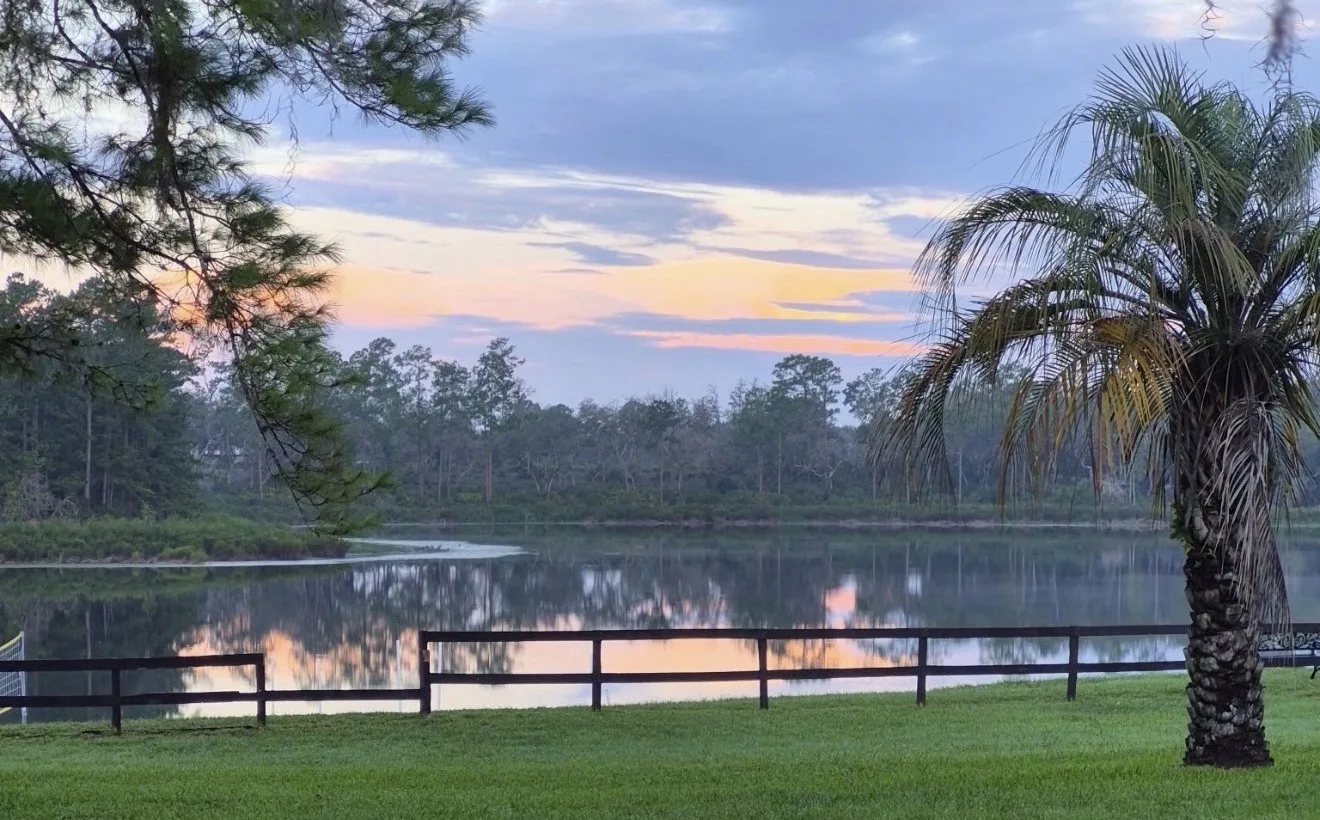
North Central Florida sits in that middle band. Orange Springs is approximately 30 minutes from Ocala and 40 minutes from Gainesville, with Jacksonville, Orlando, and Tampa all within reasonable driving distance for larger Florida groups. Gainesville Regional Airport is approximately 33 miles away, which matters for school and organizational groups traveling from outside the immediate area. The campus borders the Ocala National Forest, so the setting feels removed without being impractical.
Location also changes how much of the retreat you actually get. A shorter arrival window means the first session can start on time. A quieter corridor means the group is not competing with public beach traffic or a resort schedule. That is the difference between a venue that is “in Florida” and a venue that works for a multi-city group.
For the church and school version of this question, see:
Why Location Matters: Choosing the Ideal Central Florida Venue for Church and High School Retreats
2. True exclusive-use privacy
“Private” is one of the most overused words in retreat marketing.
Some properties mean a reserved meeting room. Some mean a wing of cabins. Some mean the group will still share the dining hall, the waterfront, or the evening with another organization.
True exclusive-use means one organized group reserves the entire campus. No second retreat on the property. No outside guests in the dining hall. The schedule belongs to the group that booked it.
That is one of the seven characteristics of a great group retreat location — not the whole decision by itself. Exclusive-use changes supervision, meal times, session flow, and whether people feel like they are at their own retreat or visiting someone else’s campus. It also changes the calendar, because an exclusive-use weekend can only be sold once.
If a planner remembers only one distinction, it should be this: exclusive-use is an operating model, not a feeling. The comparison of that model against shared campuses is covered separately. This article treats exclusive-use as a location test.
What exclusive-use actually means:
What Does “Exclusive-Use” Really Mean at a Retreat Center?
How that model compares with shared campuses across Florida:
Top Group Retreat Locations in Florida: Exclusive Venues vs. Shared Campuses
3. Facilities designed for groups — not simply large enough
A property can sleep 150 people and still be a poor group venue.
Group design is different from capacity. Capacity answers “Will everyone have a bed?” Design answers “Can this group function as a group?”
That usually requires:
- lodging that keeps the organization together instead of scattering people across town
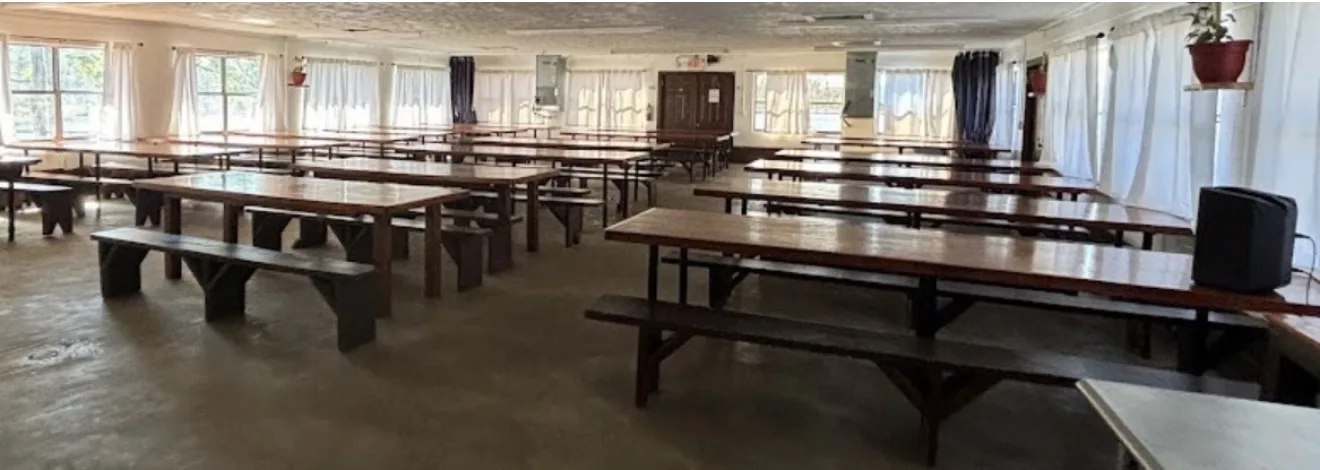
- a dining room that can seat the group at one time
- meeting space that holds the whole room and then breaks into smaller sessions
- outdoor areas the group can use without signing up around another program
- circulation that lets adults supervise students, or lets a men’s or women’s retreat move between sessions without losing people
A hotel ballroom can be large. A camp with cabins in one place and meetings in another can still fragment the weekend. The venue that works is the one built around how groups gather, eat, meet, and reconnect between sessions.
Orange Springs was converted from a traditional summer camp into a year-round exclusive-use retreat campus in 2002 for that reason. The test is not whether the property is pretty. The test is whether 60 to 200 people can occupy it as one organization.
What that difference looks like in practice:
What Makes a Retreat Venue Truly Designed for Groups?
4. Lodging, dining, and activities on the same property
The hidden cost of a split-site retreat is time.
When lodging is in one place, meals are somewhere else, and recreation requires a van run, the schedule starts leaking minutes. Those minutes come out of the program. They also come out of the informal time that is often the point of the retreat — the unplanned conversation after dinner, the lake hour, the late gathering that only happens when nobody has to leave campus.
A complete retreat location keeps the essential pieces on one property:
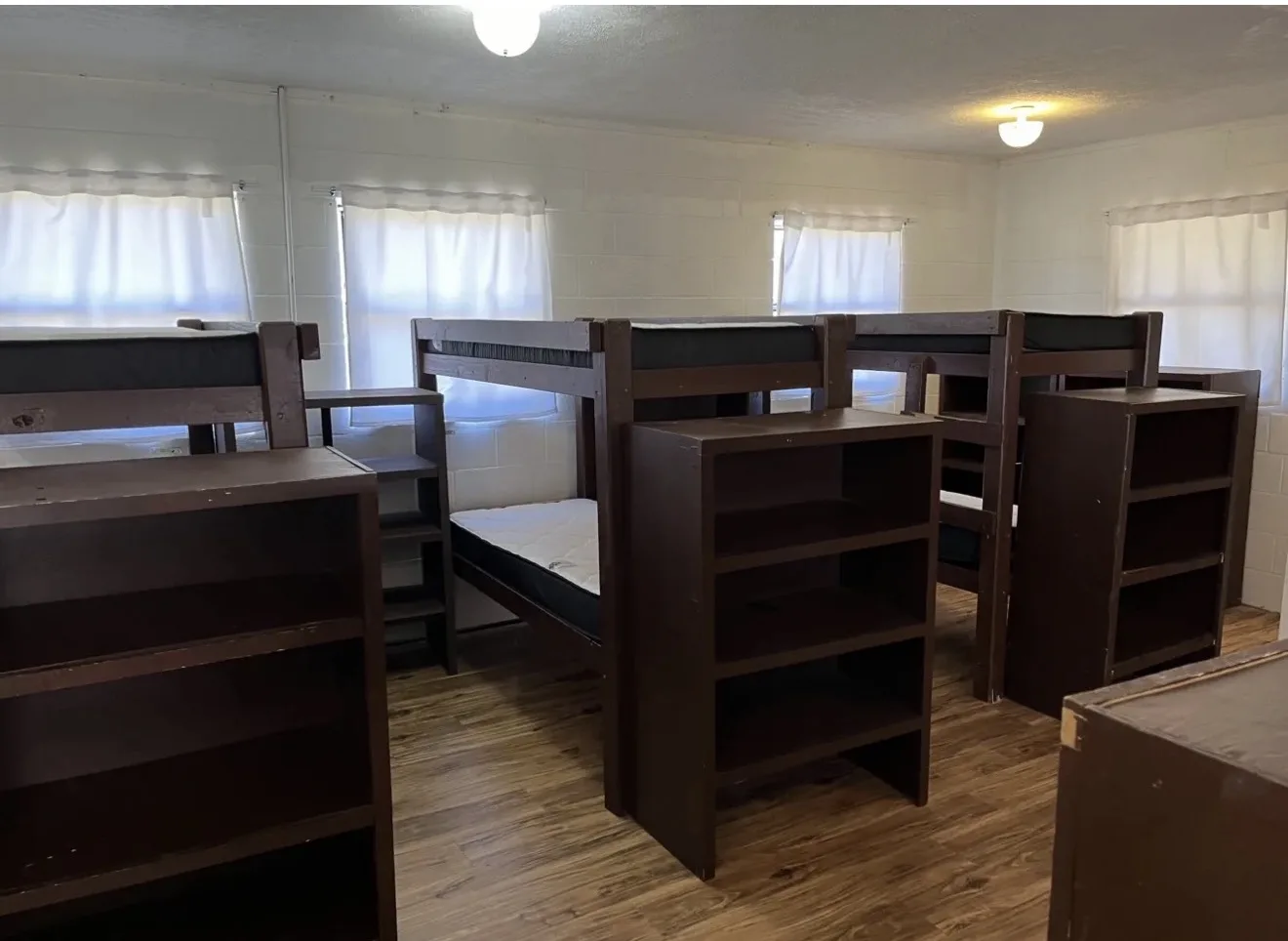
- climate-controlled lodging
- dining for the whole group
- meeting and breakout rooms
- waterfront or outdoor gathering space
- recreation and fields the group can use on its own clock
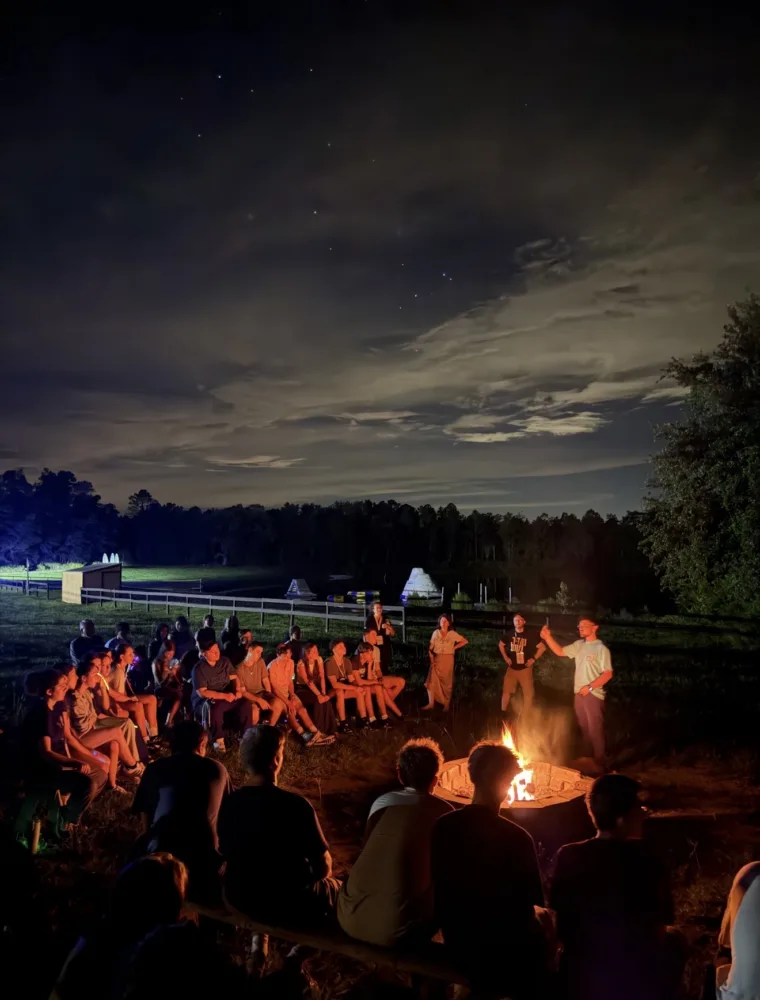
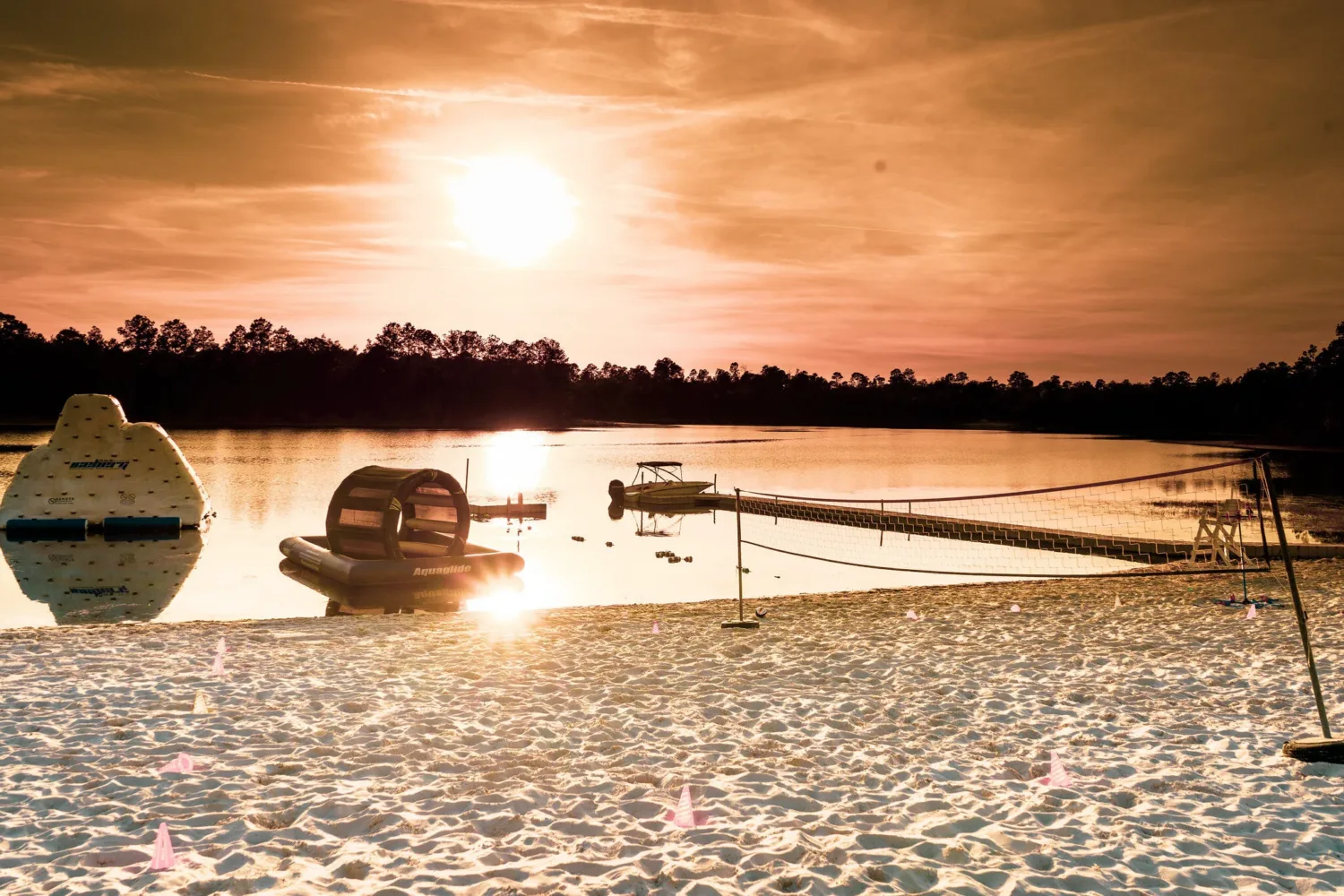
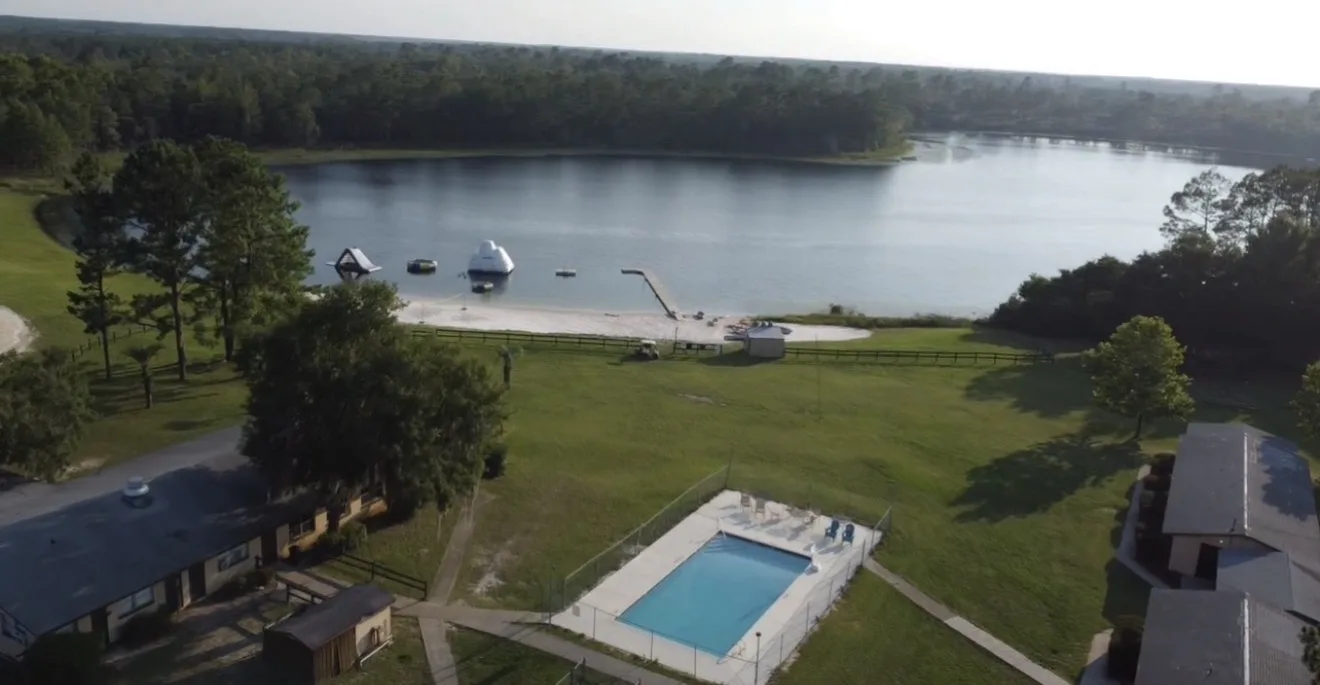
At an exclusive-use campus in Orange Springs, that means the cabins, dining hall, meeting rooms, spring-fed lake with white-sand beach, sports fields, and recreation areas belong to one group for the stay. The point is not that every organization will use every amenity. The point is that the group does not have to leave the property to have a retreat.
Group Retreat Venue in Florida
Campus details: Orange Springs Retreat Center Amenities
5. Enough space for both large-group and small-group programming
Most organized retreats need two scales of space on the same weekend.
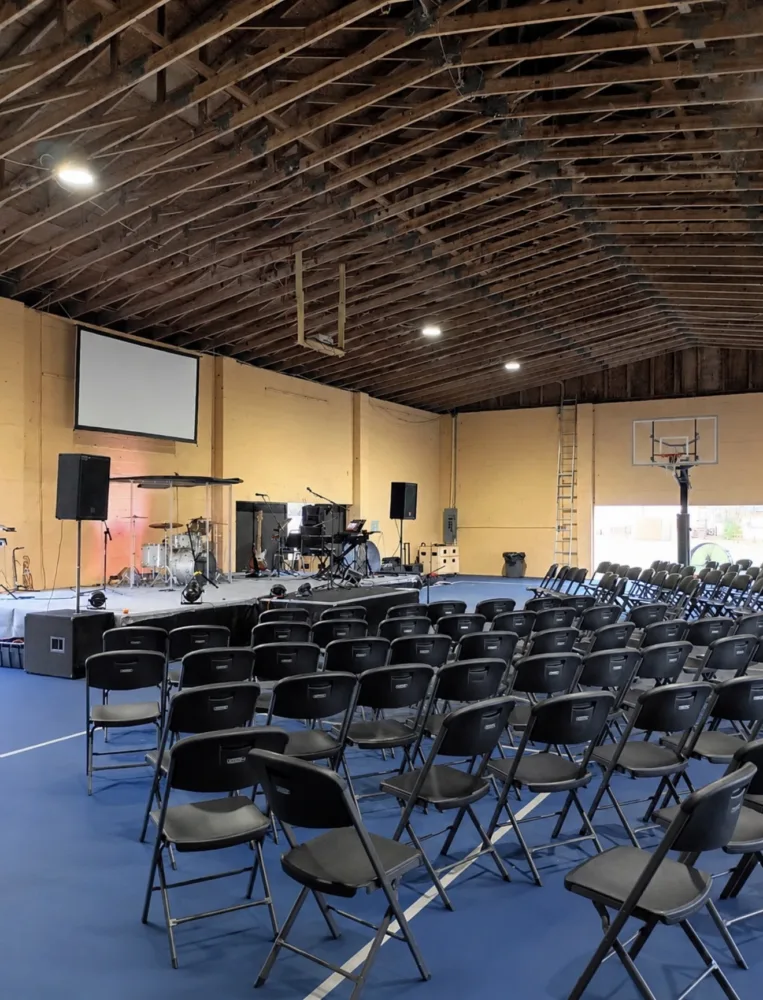
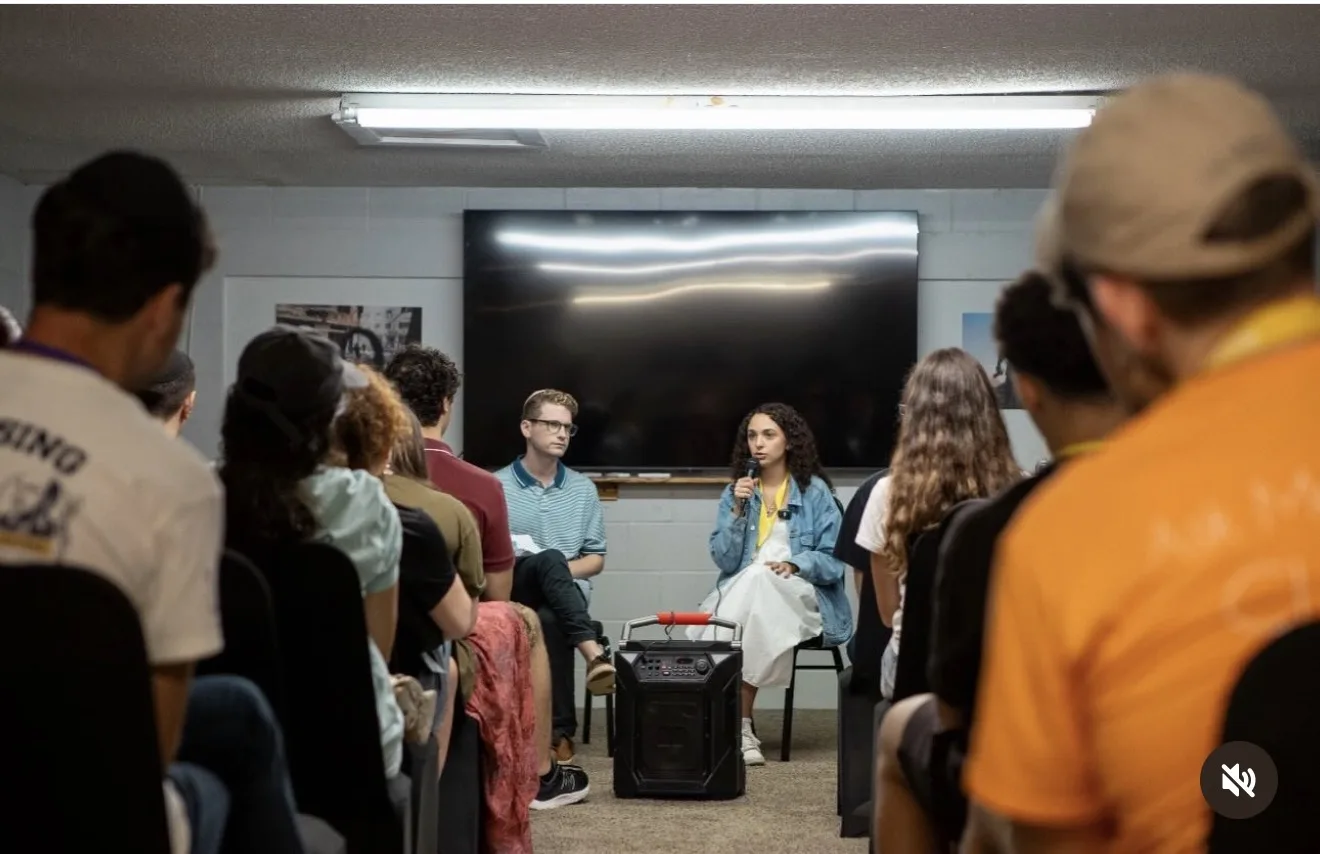
The whole group has to fit somewhere — dining, opening session, worship, keynote, or class meeting. Then the same group has to break apart: cabin talks, small groups, leadership huddles, counselor meetings, workshops, quiet conversation.
A venue that only has one large room forces the schedule into a single shape. A venue with cabins but no place to gather 150 people creates the opposite problem. The location works when both scales exist on the same campus and the group does not have to negotiate those rooms with another organization.
On a 100-plus-acre exclusive-use property, that mix is the practical advantage. The dining hall and larger indoor spaces hold the full group. Cabins, pavilions, classrooms, the waterfront, and open fields give the retreat places to split without leaving site. For a high school class, a youth group, or an adult camp, that is not a luxury. It is how the program actually runs.
6. People who already understand organized groups
Facilities do not run a retreat by themselves.
A group of 80 students, a church weekend, or a 120-person adult camp needs a venue that already knows how exclusive-use weekends work: arrival flow, meal timing, dietary notes, where buses park, who starts the campfire, and how the property is handed to one organization at a time.
That is different from a hotel banquet staff and different from a summer camp that is primarily running its own program. The useful question is whether the venue’s normal week looks like yours.
Orange Springs is owner-operated. The Sokol family has hosted groups on this land since 1971, first as Camp Shalom and since 2002 as a year-round exclusive-use retreat center. We are a CCCA member. We do not run your sessions for you. We do know what it takes for a school, church, or private organization of roughly 60 to 200 people to have the campus to itself.
If a venue cannot describe that operating rhythm clearly, the property may still be attractive. It may not be easy to run.
7. A venue that fits the purpose of the retreat
The same campus can serve very different weekends. The location is only “great” if it matches what the group is trying to do.
A senior class overnight needs the class together, enough recreation to keep energy up, and a setting that still allows a serious conversation. A youth ministry weekend needs space for large-group teaching and small-group follow-up, without another church in the next building. An adult camp or men’s or women’s retreat often needs the feeling of having rented the entire place — meals, lake, fields, and evenings included — so the group can build its own program instead of joining someone else’s.
That is why venue selection and purpose have to be decided together. A shared campus can be the right answer for some groups. An exclusive-use campus in North Central Florida is the right answer when the organization wants the whole environment, one schedule, and no competing guests.
Examples of how purpose changes the brief:
How to Plan a High School Retreat
Adult Camp in Florida: How Groups Are Creating Their Own
How to Host Your Own Retreat in Florida
A school running an overnight class trip needs that same test: can the entire class stay, eat, and meet on one campus? The overnight class trip venue in Florida page is the school-specific version of that question.
What to do with the checklist
Use the seven tests on every property you are considering:
- Can your people reach it without losing the first day?
- Is exclusive-use real, or is another group still on campus?
- Was the place designed for groups, or only sized for them?
- Are lodging, dining, meetings, and recreation on the same property?
- Can the whole group gather and then break into smaller rooms without leaving?
- Does the venue already operate this kind of weekend?
- Does the campus match the purpose of this retreat?
Recap
| What to look for | Strong group-retreat location | Potential problem to investigate |
| Location | Reasonable driving access from multiple population centers | Long or unpredictable travel for much of the group |
| Privacy | Entire property reserved for one organization | Shared dining, waterfront, meeting space, or activities |
| Group design | Facilities planned around groups of the intended size | Property can sleep the group but isn’t designed to gather it |
| On-site essentials | Lodging, dining, meetings, and recreation together | Transportation required between facilities |
| Flexible space | Large-group and breakout spaces on the same campus | One large room or scattered meeting areas |
| Group experience | Staff regularly hosts organized retreats | Venue primarily serves individual travelers or its own programs |
| Purpose fit | Facilities and environment match the retreat’s objectives | Attractive property that doesn’t fit the program |
If the answers are unclear, keep asking. The brochure will emphasize the lake, the ropes course, or the dining hall. Those things matter. They do not tell you whether the location will make the retreat easier to run.
A great location is not just a pretty campus in Florida. It is the difference between reserving space inside someone else’s operation and having the entire retreat belong to your group.
Timing belongs in the same conversation. At a true exclusive-use venue, a popular weekend is not a row of rooms. It is the whole campus. That is why 2027 dates, especially fall and spring weekends for schools and churches, need to be discussed with backup patterns in hand.
When Should You Book a 2027 Florida Group Retreat?
Orange Springs Retreat Center Rates, Availability & Booking Guide
Orange Springs Retreat Center’s 2026 calendar is fully booked, with an active waitlist for cancellations. New reservations are focused on Fall 2027 through Summer 2028.
Located just south of Gainesville, Florida, Orange Springs Retreat Center offers Group Retreat Rentals, Fall & Spring School/Church Camp venue, and an ideal Summer Camp Location. What separates us from other retreat venues is true exclusivity:
“One Group At a Time Always- No Shared Spaces, No Outside Guests”
Check out how Orange Springs Retreat Center was featured in the New York Times.
Website: orangespringsretreat.com