By Mike Sokol, Owner, Orange Springs Retreat Center
September 2026 · Approximately 10-minute read
A Florida group retreat does not fail because a property lacks a lake, a ropes course, or a dining hall.
It can fail when the operational model of the venue does not match what the group actually needs.
That is the decision many event chairs, church planners, school coordinators, and organizational leaders are making—often without realizing it.
They are not simply choosing a location.
They are choosing between two different ways a retreat campus can operate:
- An exclusive-use retreat venue, where one group reserves the entire property.
- A shared-campus or multi-group venue, where multiple organizations use the facilities during the same period.
Both models exist throughout Florida. Both can work.
But they do not create the same retreat experience.
What Is the Best Type of Group Retreat Location in Florida?
The best group retreat location in Florida depends on how much privacy, schedule flexibility, campus control, and dedicated space your organization needs.
Churches, schools, youth groups, corporate teams, nonprofits, and other organizations generally choose between an exclusive-use retreat center, where one group reserves the entire property, and a shared-campus retreat venue, where multiple groups may stay and use facilities at the same time.
For groups that value privacy, flexible scheduling, dedicated facilities, and a focused environment, an exclusive-use retreat venue can offer significant advantages.
For smaller groups or organizations comfortable sharing facilities and coordinating around established schedules, a shared campus may be a practical option.
This guide will help you compare both models before you lock in your 2027 retreat dates. For timing by group type, use When Should You Book a 2027 Florida Group Retreat?.
The Real Choice Behind “Where Should We Go?”
Search results for Florida group retreat locations often place very different types of properties side by side:
- Exclusive-use retreat centers
- Traditional camps that host multiple groups
- Church camps and conference grounds with overlapping programs
- Hotels and conference centers
- Private camp rentals
- Hybrid properties that rent space while other guests remain on site
The photos can look similar. The difference often becomes obvious only in the daily operation of the retreat.
Before comparing amenities, ask one question first:
Will our group have the entire campus to itself for the full duration of our stay?
If the answer is yes, you are likely looking at an exclusive-use model.
If the answer is no—or “it depends on the dates”—you are likely looking at a shared-campus or multi-group model.
That single distinction can affect privacy, dining, schedule control, supervision, staff attention, and the overall tone of your event. For a plain-language definition of the model, see What Does “Exclusive-Use” Really Mean at a Retreat Center?.
What Is an Exclusive-Use Retreat Venue?
At an exclusive-use retreat center, one organized group reserves the full property for the duration of its stay.
There are no other visiting groups sharing the campus.
There are no outside guests using the dining hall, meeting rooms, waterfront, sports fields, or lodging facilities alongside your organization.
In practical terms, exclusive use typically means:
- One group on the entire property
- Private access to lodging, dining, meeting space, and outdoor areas
- Greater flexibility with meal times, session blocks, and recreation
- Dedicated staff attention focused on one program
- More control over the overall retreat environment
This model is particularly attractive for groups that want the entire property to become part of their retreat experience.
At Orange Springs Retreat Center, exclusive use has been the operating model since 2002. We host one group at a time.
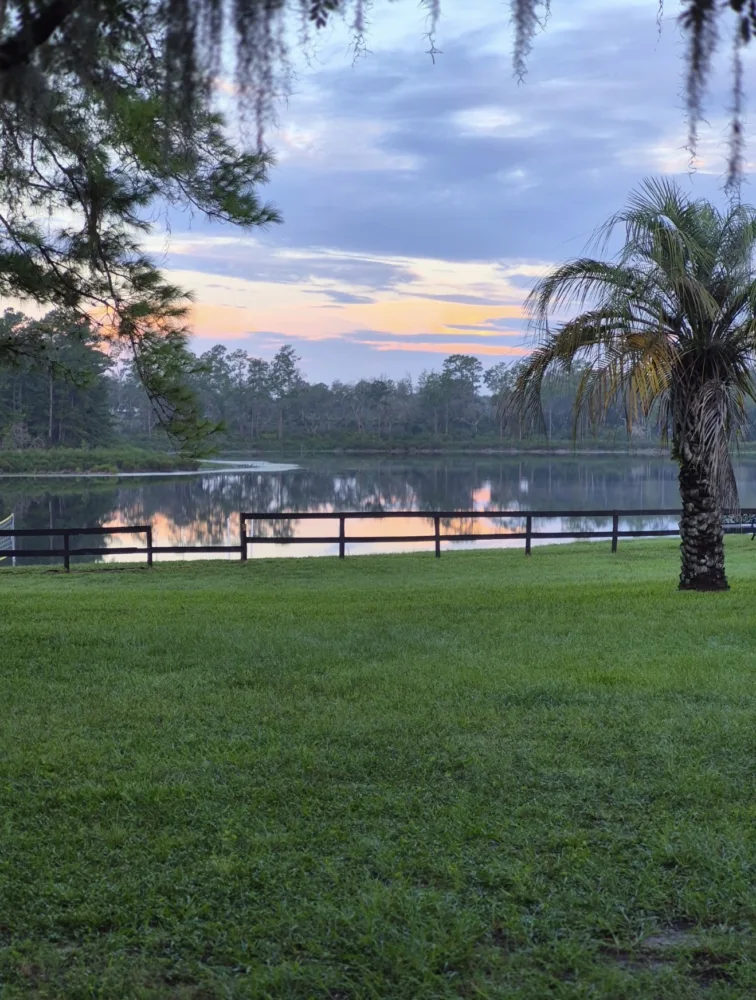
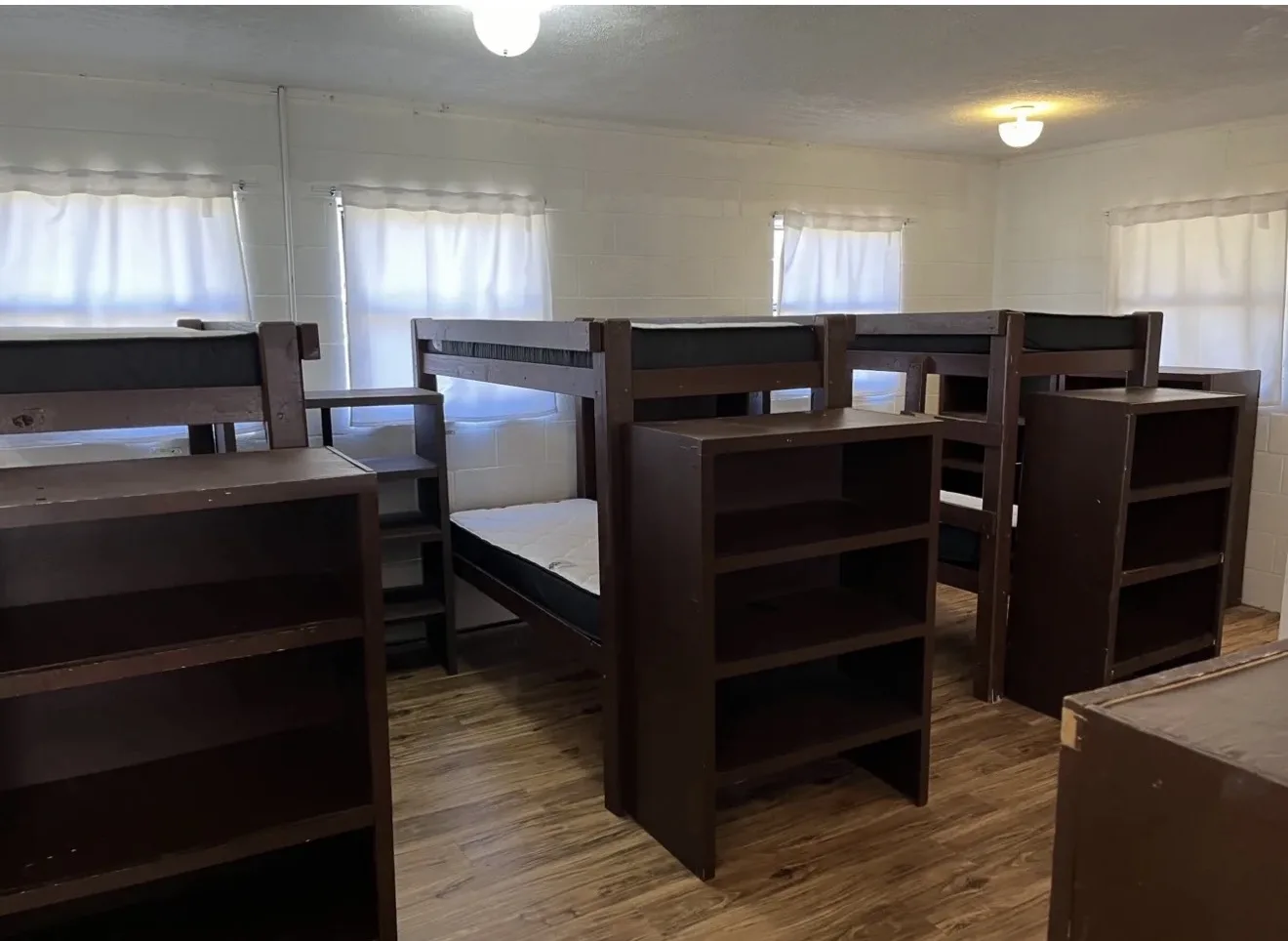
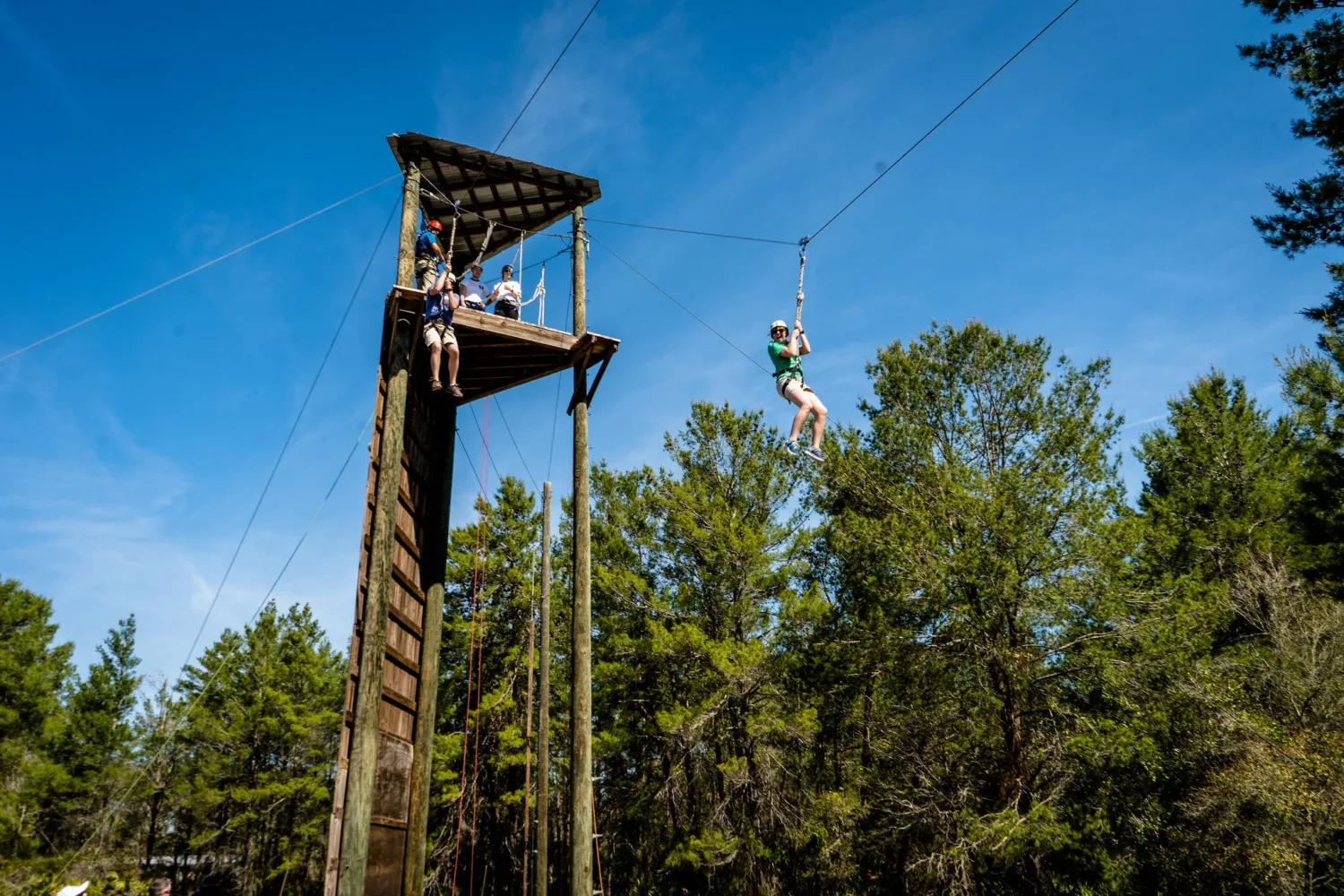
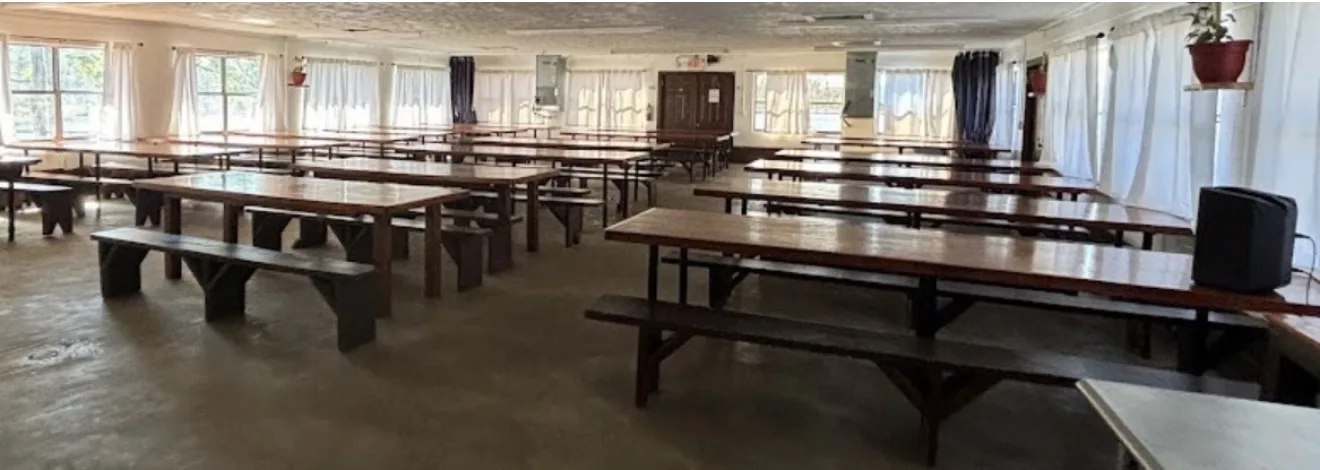
Groups of approximately 60 to 200+ guests receive exclusive use of the 100+ acre campus, including climate-controlled lodging, dining facilities, meeting spaces, a spring-fed lake, sports fields, and recreation areas.
Exclusive use is not simply a marketing phrase. It is the operating rule. See also Why Exclusive-Use Retreat Venues Create Better Group Outcomes and What Makes a Retreat Venue Truly Designed for Groups?.
What Is a Shared-Campus or Multi-Group Retreat Venue?
Shared-campus venues are common throughout Florida, and many are well-run facilities.
The model is simply different.
A shared or multi-group campus typically hosts more than one organization during the same period. That can include:
- Two or more retreat groups on the same property
- A resident camp program operating alongside a rental group
- Shared dining periods
- Shared waterfront, pool, gym, or activity areas
- Meeting rooms assigned by block rather than available throughout the day
- Common spaces used by people outside your organization
The practical effects are easy to miss during an online search or a quick tour, but they can become obvious once the retreat begins. For example:
- Your meal time may be determined by the facility’s dining rotation rather than your program.
- Students or participants may encounter another group at the lake, in the dining hall, or on the trails.
- Activity windows may need to be reserved in advance.
- Leaders may spend more time coordinating around another group’s schedule.
- The property never fully becomes “yours.”
None of that makes a shared campus a bad choice. It simply makes it a different choice.
Shared campuses can work particularly well for:
- Smaller groups that do not need an entire property
- Organizations with flexible schedules
- Groups comfortable sharing amenities
- Day-use programs or short retreats
- Organizations prioritizing date availability over complete campus control
They can be a weaker fit when a retreat depends on privacy, uninterrupted programming, tight supervision, or a strong single-group culture.
Can You Rent an Entire Retreat Center in Florida?
Yes. Some Florida retreat centers offer full-property or exclusive-use reservations, allowing one organization to reserve the entire campus for its event.
Planners should be careful with the word “private.”
A private meeting room, private cabin block, or private event space does not necessarily mean your organization has the entire property to itself.
Before booking, ask whether other guests, rental groups, resident programs, or public visitors will be on the property during your stay.
A true exclusive-use retreat means the entire campus is reserved for one organized group. If that is the model you need, start with Host Your Retreat on a Fully Private Florida Campus and the Rates, Availability & Booking Guide.
Exclusive-Use vs. Shared Campus: A Side-by-Side Comparison
Use this comparison as a planning filter—not as a scorecard.
| Category | Exclusive-Use Retreat Venue | Shared-Campus / Multi-Group Venue |
| Who is on the property? | One organized group | Multiple groups or programs may be present |
| Dining | Built around one group’s schedule and rhythm | Shared meal periods or rotating seatings may apply |
| Meeting space | Dedicated to your group throughout the stay | Rooms may be assigned by schedule or time block |
| Outdoor areas | Private access to campus recreation areas | Facilities may be shared or scheduled |
| Schedule control | High | Moderate to low |
| Staff attention | Focused primarily on one group | Staff may support multiple groups |
| Supervision | Often simpler because fewer unknown people are on campus | Requires additional awareness and coordination |
| Group culture | Easier to create a single retreat environment | Other groups can affect the overall atmosphere |
| Best fit | Groups prioritizing privacy, focus, and control | Smaller or more flexible groups comfortable sharing facilities |
What Changes for School Groups?
School groups often feel the difference between these two models immediately.
A middle school retreat, high school retreat, senior class trip, or leadership overnight can be easier to supervise when everyone on campus belongs to the same event.
Chaperones are not monitoring a public waterfront. Students are not regularly mixing with unrelated youth groups in common areas. The school coordinator can build one schedule around meals, meetings, activities, and downtime.
Shared campuses can host successful school retreats. The tradeoff is primarily operational: more movement around the property, more coordination between groups, more unfamiliar people in common areas, and less flexibility with dining and activity schedules.
If the goal is a contained school retreat, class trip, leadership experience, or overnight program, exclusive use can reduce unnecessary friction. Related planning pages: How to Plan a High School Retreat, Middle School Retreat Venue in Florida, Senior Class Overnight Venue in Florida, and Class Trip Retreat in Central Florida.
What Changes for Churches and Youth Groups?
Church and youth retreats often depend on atmosphere as much as facilities.
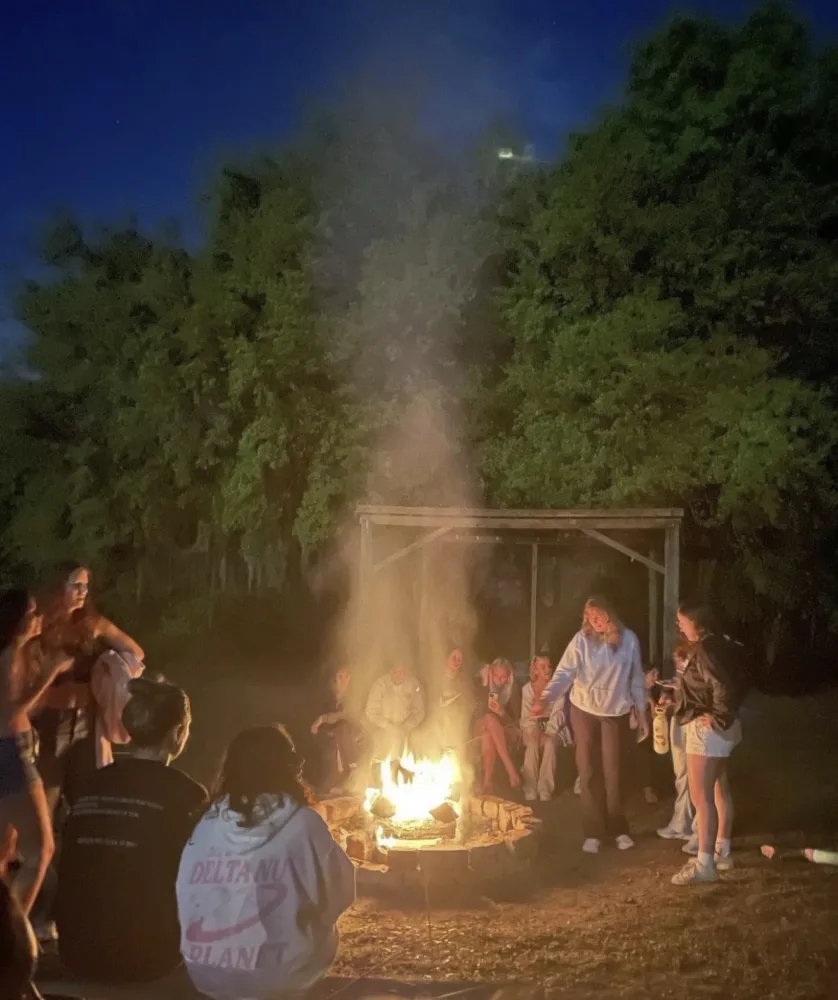
Worship, small-group discussions, late-night conversations, campfires, and unstructured time can all contribute to the retreat experience. Those moments may feel different when the property belongs to one congregation or ministry.
A shared dining hall or another group using the waterfront does not necessarily ruin a retreat. But it can change the environment.
A shared campus may work well for a smaller youth event or a group that primarily needs lodging and a meeting room. It may be a weaker fit for a weekend built around:
- Spiritual focus
- Pastoral conversations
- Worship
- Small-group connection
- A unified church or ministry identity
If leaders need the flexibility to extend a session, hold a late gathering, adjust the day’s schedule, or keep the entire group together without negotiating facility times, exclusive use can provide a simpler operating model. See Planning a Successful Youth Group Retreat and Reasons to Book a Church Group Retreat.
What Changes for Men’s, Women’s, Corporate, and Private Organizations?
Adult and organizational groups often book retreats to step away from everyday interruption.
That can be more difficult when the property operates like a shared facility. Other guests in common areas, scheduled activity windows, and staff supporting multiple programs can all add layers of coordination.
An exclusive-use retreat allows the organizing team greater control over:
- When meals happen
- How long sessions run
- Whether the evening remains quiet or active
- Who is on the property
- How the group uses meeting and recreation areas
For these groups, control is often part of the retreat experience itself. The cabins, meeting rooms, lake, and recreational amenities support that experience. They do not replace it. See Adult Camp in Florida: How Groups Are Creating Their Own.
Questions to Ask Before You Book Any Florida Retreat Venue
Do not rely entirely on photos—or on the word “private.” Ask each venue to answer these questions clearly:
- Will our group be the only organized group on the property for the entire stay?
- Will we have exclusive use of the dining hall, or will we share meal periods with other guests?
- Are the lake, pool, gym, sports fields, and activity areas reserved for us or shared among multiple groups?
- Who else might be on campus during our stay—another rental group, a resident program, day guests, or public visitors?
- Can we adjust our own session and meal schedule?
- How is staff attention divided when more than one group is present?
- What is the actual overnight capacity, and what is the minimum group size?
- Which dates are available for a full-property reservation?
If a venue cannot give you a clear answer to the first question, understand exactly what “private” means before signing a contract.
How This Affects 2027 Retreat Planning
Exclusive-use calendars are smaller by design.
There is only one group reservation available for each weekend, summer week, holiday period, or extended stay. Groups seeking specific dates often need to begin planning well in advance.
At Orange Springs Retreat Center, many groups begin planning 9 to 14 months ahead when they want specific weekends, school breaks, or summer dates. Popular dates can disappear quickly because each period can be reserved by only one group.
Shared campuses may have more opportunities to accommodate multiple organizations during the same period. The tradeoff is the level of privacy and schedule control your group receives.
For groups planning future retreats, decide on the operational model before assuming a date will be available.
At Orange Springs Retreat Center:
- The 2026 calendar is fully booked, with a waitlist for cancellations.
- Current planning is focused on Fall 2027 through Summer 2028.
- Returning groups often reserve future dates well in advance.
- New groups seeking a specific weekend should begin the conversation early and prepare backup date options.
For a planning calendar organized by group type—including schools, churches, men’s and women’s retreats, adult camps, and corporate groups—read When Should You Book a 2027 Florida Group Retreat?. Shoulder-season value is covered in The Hidden Benefits of Off-Season Retreats (Winter/Spring) and September Through April: Best Time for a Florida Group Retreat.
Which Retreat Model Should Your Group Choose?
Choose an exclusive-use retreat venue if:
- Your group is approximately 60 to 200+ people
- You want the entire campus to function as one retreat environment
- Privacy and supervision are important
- Spiritual or organizational focus is central to the event
- You want greater control over meals, meetings, and recreation
- You do not want unrelated groups on the property
A shared-campus venue may be a good fit if:
- Your group is smaller and does not require a full campus
- You can work comfortably around established dining and activity schedules
- Budget or date availability matters more than complete privacy
- Your program does not depend on a closed environment
The right answer is the model that matches the retreat you are trying to run—not simply the venue with the most attractive photos.
What Is the Best Retreat Center in Florida for a Group of 100 People?
There is no single retreat center that is automatically the best choice for every group of 100 people. The right venue depends on what the group needs.
A church retreat may prioritize worship space and privacy. A high school retreat may need lodging, meals, supervision, and organized activities. A corporate leadership group may focus on meeting space, schedule flexibility, and a distraction-free environment.
Groups of approximately 100 people should ask:
- Can the venue comfortably lodge our entire group?
- Can everyone dine at the same time?
- Are there enough meeting and gathering spaces?
- Will recreational facilities be available when we need them?
- Will other groups be on the property?
The answers to those questions are often more important than the number of amenities listed on a venue’s website.
Orange Springs Retreat Center as an Exclusive-Use Example
Orange Springs Retreat Center is a family-owned, exclusive-use retreat venue in Orange Springs, Florida, located on more than 100 acres bordering the Ocala National Forest.
We do not divide the property among unrelated rental groups. We host one organized group at a time.
That means your group can have exclusive access to:
- The full retreat campus
- Climate-controlled lodging for approximately 60 to 200+ guests
- Chef-prepared meals with dietary accommodations
- Meeting and gathering spaces
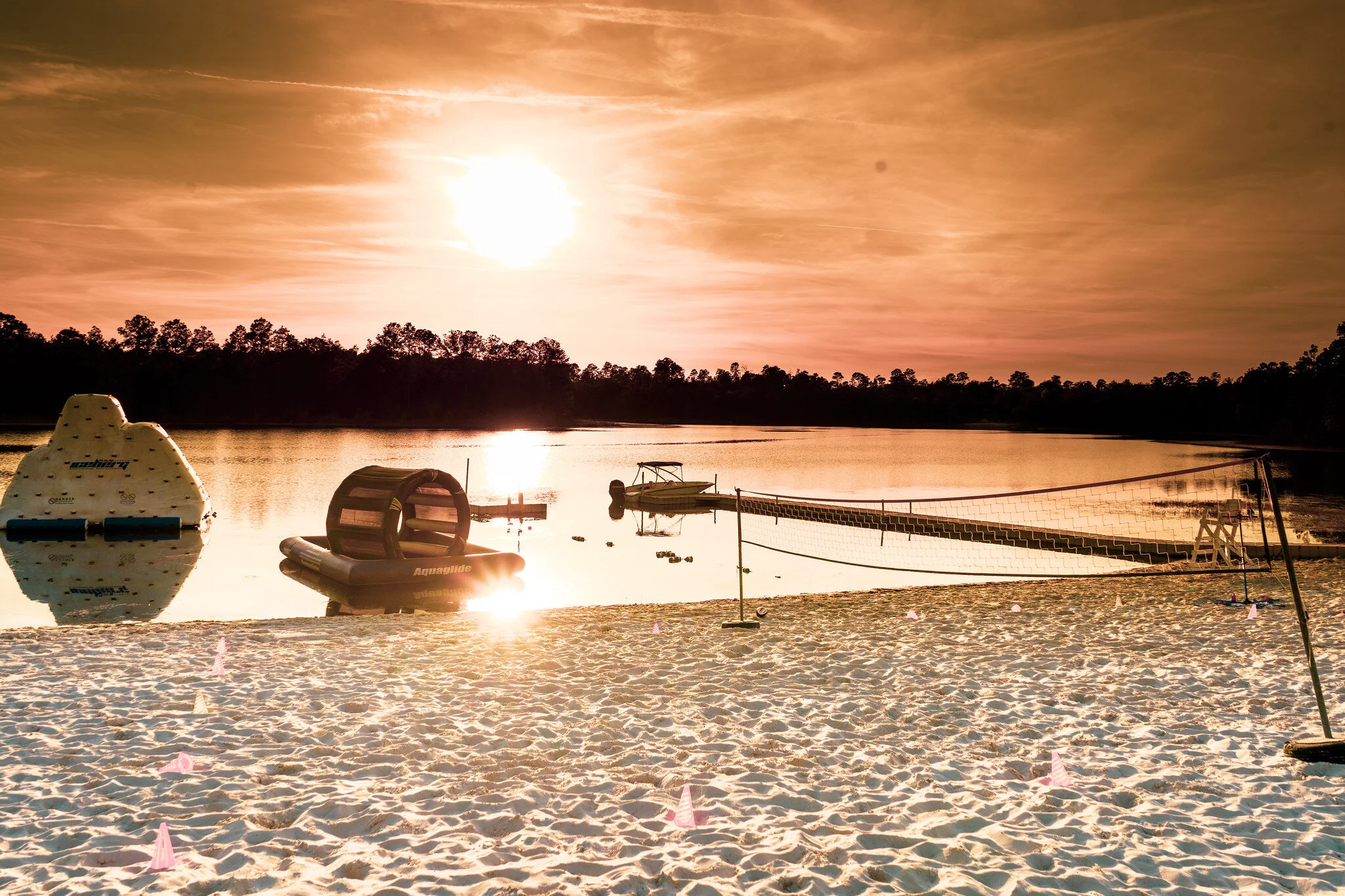
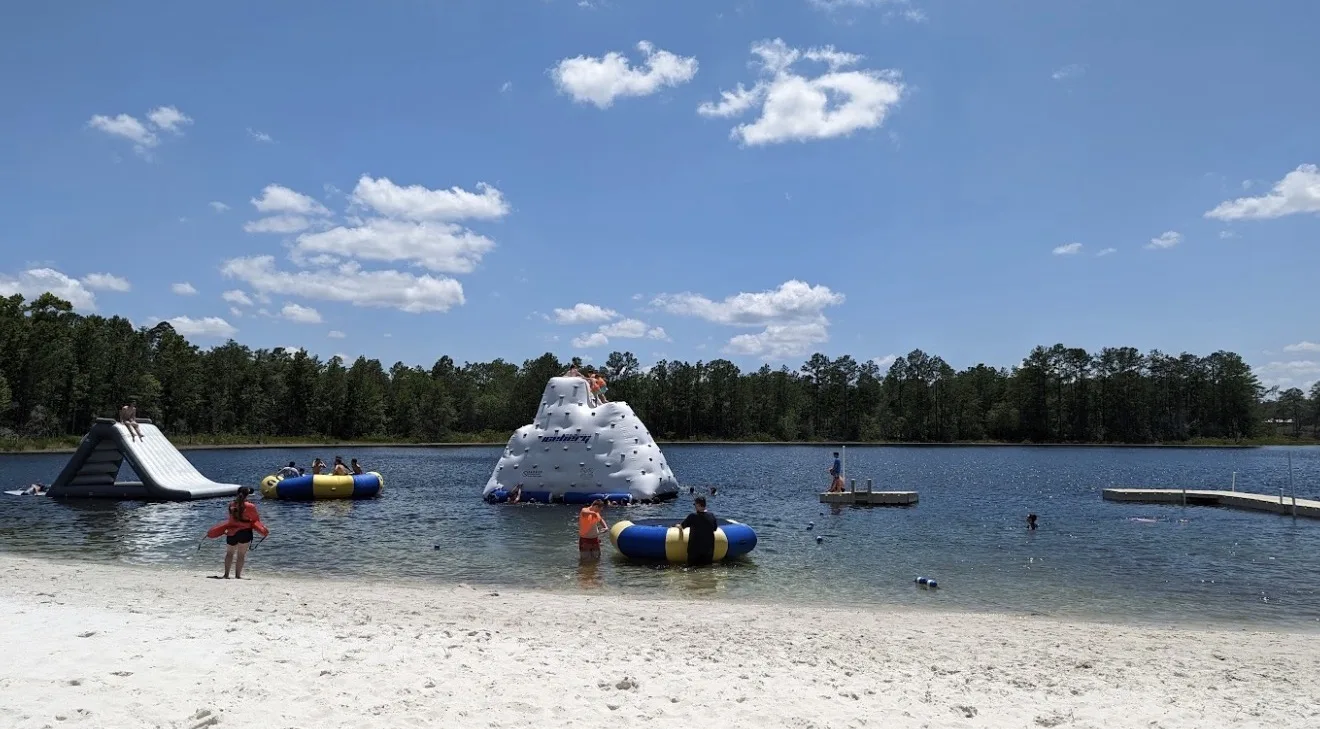
- A spring-fed lake with a white-sand beach
- Sports fields, courts, and recreation areas
- Dedicated planning and on-site support
That is the operational difference this article has described from the beginning. It is also why exclusive-use properties require a different approach to planning and availability. Current pricing and reservation steps are in the Rates, Availability & Booking Guide. The family history of the property is on our About page.
Frequently Asked Questions
Is every “private retreat” in Florida an exclusive-use retreat?
No. The word “private” can mean different things at different venues. Some properties use it to describe a private meeting room, a reserved lodging area, or a specific event space. A true exclusive-use retreat means the entire campus is reserved for one organized group. Always ask whether other guests or groups will be on the property during your stay.
Can a shared campus still work for a church or school group?
Yes. Shared campuses can work well for smaller groups or organizations with flexible programs. They may be less suitable when the retreat depends heavily on privacy, tight supervision, a unified group culture, or complete control over meeting and recreation schedules.
Why do exclusive-use retreat dates often book so far in advance?
Because only one group can reserve the property at a time. A weekend, holiday period, or summer week cannot be sold to multiple organizations. Groups seeking specific dates should begin their venue search early and remain flexible when possible.
Do exclusive-use venues have fewer available dates?
Yes. That is the tradeoff built into the model. One group per window means a smaller calendar and earlier booking—especially for fall weekends, spring breaks, holiday weekends, and summer weeks.
Does exclusive use always cost more?
Not necessarily. The total value depends on what is included. When comparing retreat venues, consider the complete cost of lodging, meals, meeting space, activities, transportation, and other services—not simply the advertised nightly rate.
How large a group can Orange Springs Retreat Center host?
Orange Springs Retreat Center is designed primarily for organized groups of approximately 60 to 200+ guests. Group minimums and availability can vary depending on the season and dates requested. Off-season dates from September through April often offer more calendar flexibility.
What Should You Do Next?
If you are planning a Florida group retreat for 2027 or beyond, decide which operating model fits your group before you begin comparing properties.
- Decide whether your group needs exclusive use or can comfortably share a campus.
- Review the planning calendar for your type of retreat: When Should You Book a 2027 Florida Group Retreat?.
- Compare venues based on how the property will actually operate during your stay—not just on photos and amenities.
- Confirm preferred dates, keep two backup date patterns, and use How to Host Your Own Retreat in Florida (2027 Edition) when you are ready to build the retreat itself.
Helpful Planning Resources
• When Should You Book a 2027 Florida Group Retreat?
• How to Host Your Own Retreat in Florida: The Complete Step-by-Step Guide for Organizers
• Orange Springs Retreat Center Rates, Availability & Booking Guide
• What Does “Exclusive-Use” Really Mean?
• Host Your Retreat on a Fully Private Florida Campus
The most important decision may not be which retreat property looks the best online.
It may be deciding whether you want to reserve a space within someone else’s campus—or reserve the entire retreat experience for your own group.
For organizations that value privacy, flexibility, and a focused group environment, that distinction can shape the entire retreat.
Start the 2027 Conversation
Call or text Mike Sokol at (561) 221-7773 or email campshalomfl@gmail.com.
Bring three things to that first conversation: estimated attendance, first-choice dates, and two backup date patterns.
Orange Springs Retreat Center · 168 Camp Shalom Trail, Orange Springs, Florida 32182
Florida’s exclusive-use retreat venue for private groups, schools, and churches (60–200 guests).
One group at a time. Always. No shared spaces. No outside guests.