Blog

10 Reasons to Book a Church Group Retreat in Florida

By Mike Sokol, Owner, Orange Springs Retreat Center

Updated September 2026  ·  CCCA Member  ·  Exclusive-use campus in Central Florida

These 10 reasons are what church leaders should weigh before booking a Florida church group retreat venue — especially if the group is 60 to 200+ and needs the campus to itself.
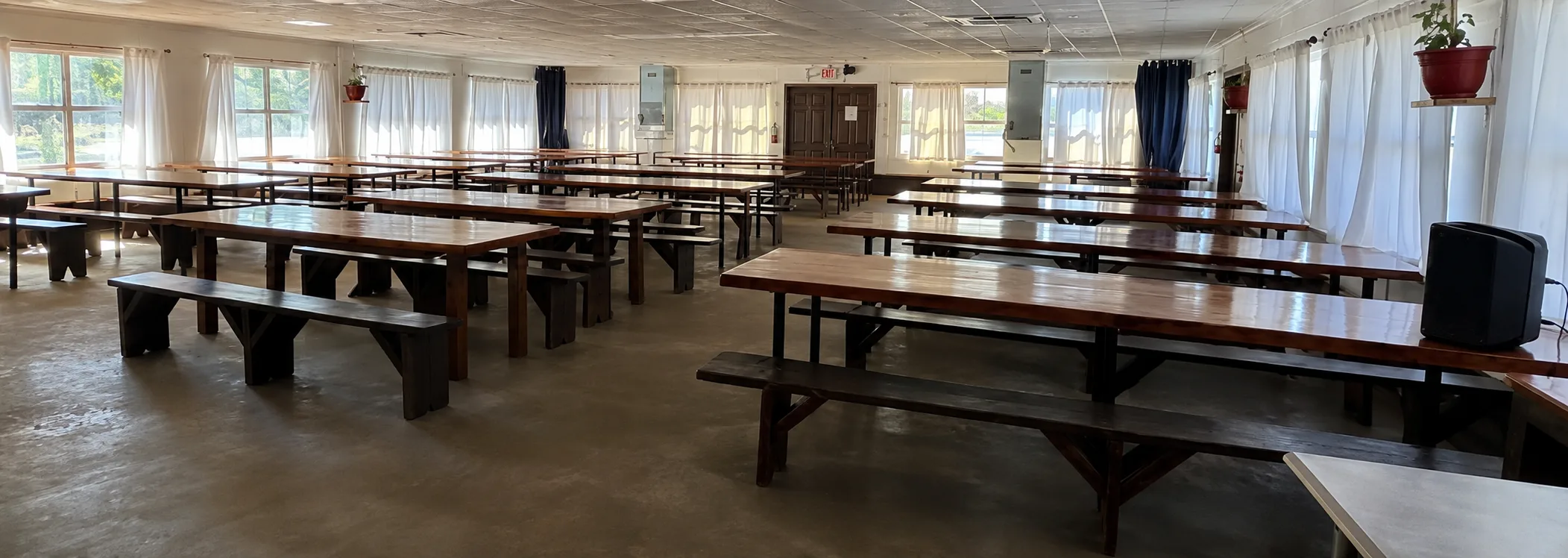
retreat venue florida
host group retreat florida

1. Get the Church Away From Everyday Distractions

Work, school, family schedules, phones, and weekly programming leave little room for extended conversation. A retreat changes the environment.

Instead of asking people to fit fellowship around everything else, the weekend gives the church a dedicated block of time. A change of setting helps people slow down and stay present. For many congregations, that is the main reason to leave town.

2. Strengthen Relationships Through Shared Experiences

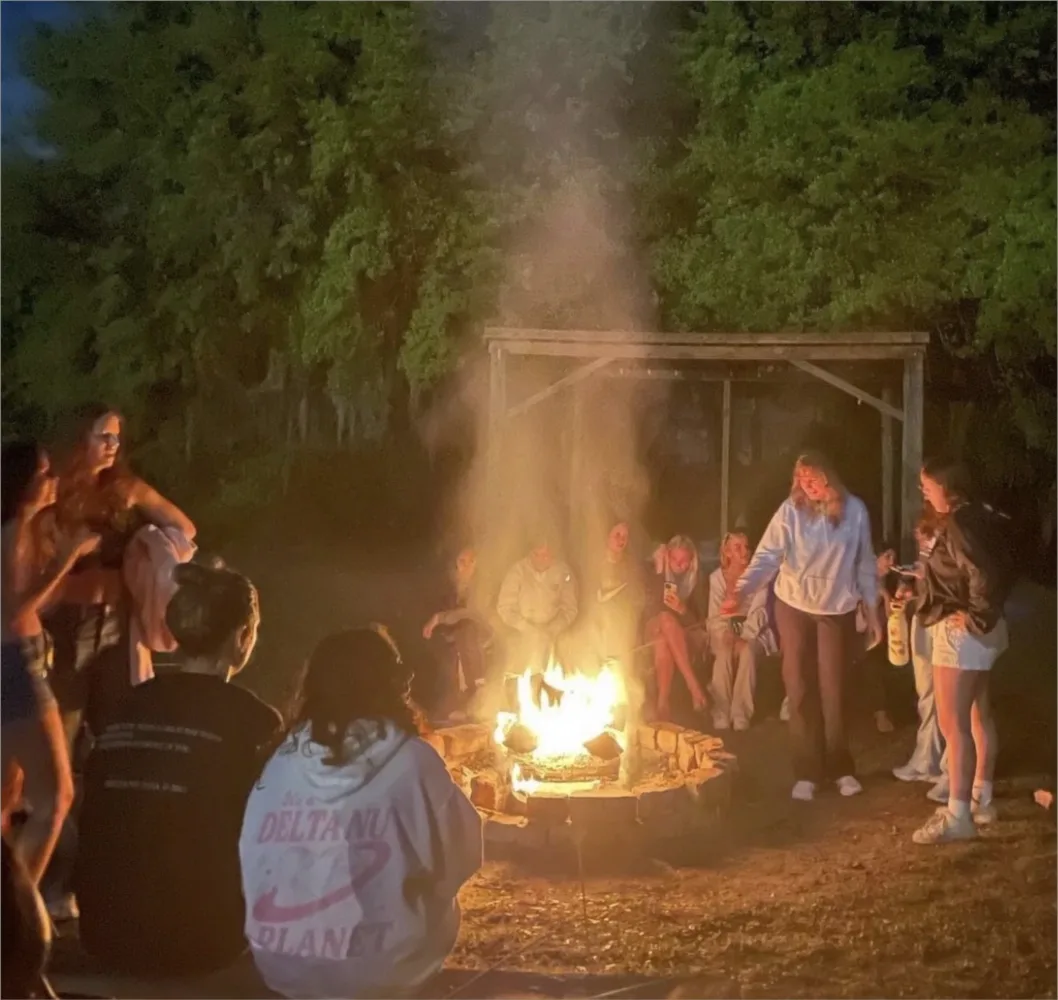
People rarely build deeper relationships by sitting in the same sanctuary for one hour. They build them by eating together, walking the same property, talking after a session, competing on a field, or sitting around a campfire when no one has to leave.

Those shared hours become part of the church’s culture after the buses go home. That is the return on a retreat that a Sunday service cannot manufacture.

3. Create Room for Worship, Prayer, and Teaching

A normal church calendar compresses worship, teaching, small groups, prayer, and fellowship into a few hours. A retreat can give those same elements an entire weekend.

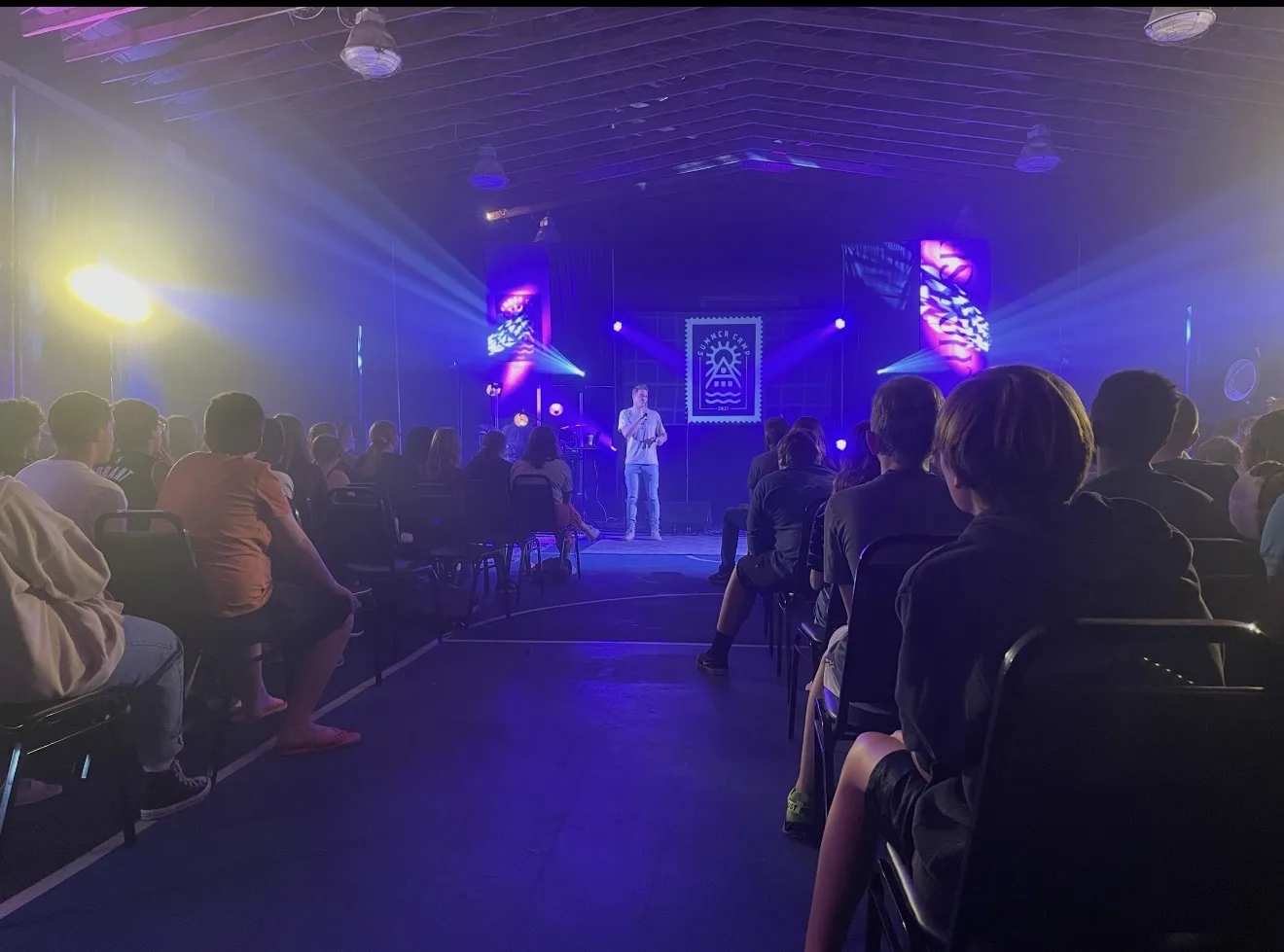
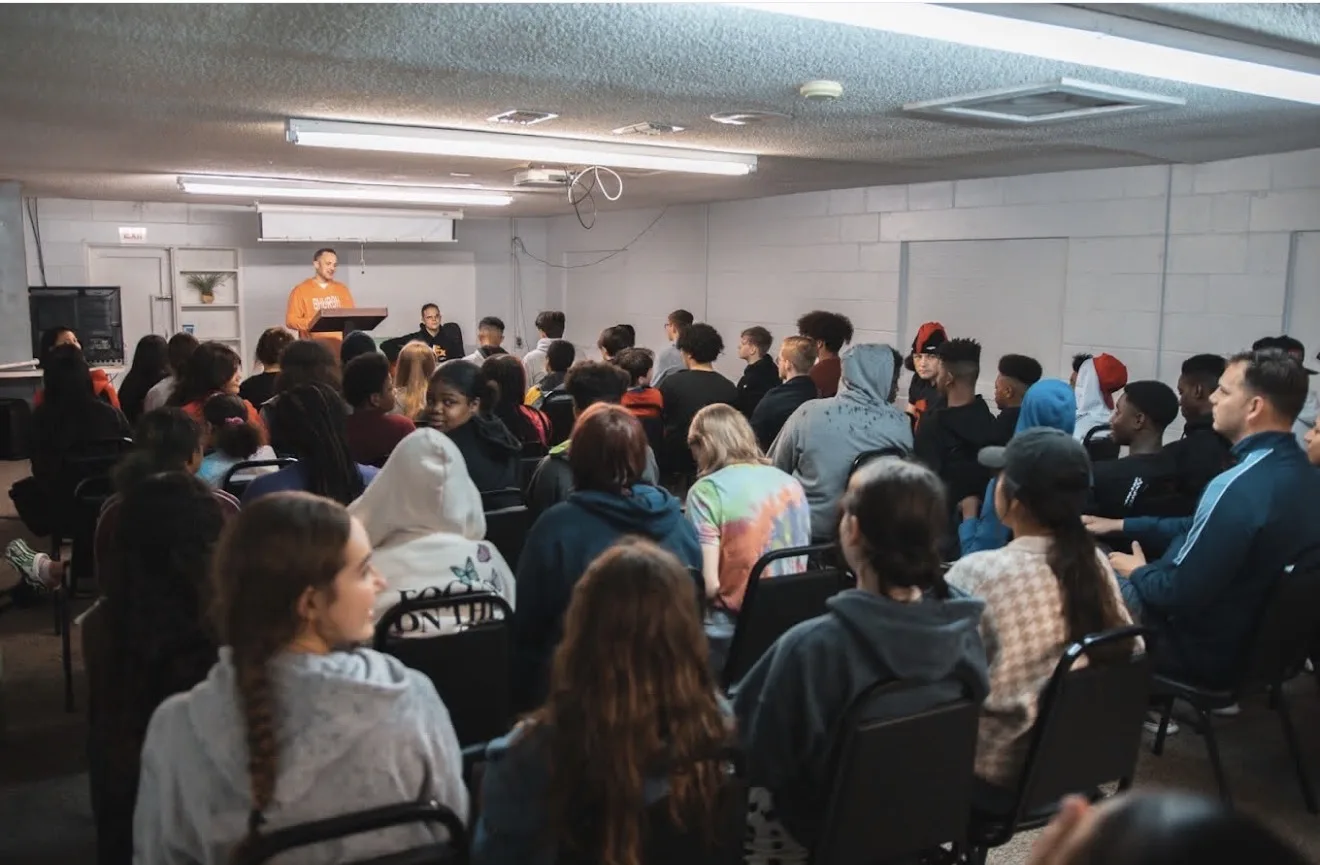
Churches commonly use the extra time for worship gatherings, Bible teaching, small-group discussion, prayer, leadership conversations, testimonies, and youth ministry programming. The venue’s job is not to write that program. The venue’s job is to give the church enough space and schedule control to run it.

4. Book a Campus Your Church Does Not Have to Share

This is the question that should come before the amenity list: will the church actually have the property to itself?

Some Florida retreat centers and conference facilities host more than one group at the same time. That can mean sharing a dining hall, splitting meeting rooms, waiting on the waterfront, or adjusting worship around another organization’s schedule.

An exclusive-use campus is different. At Orange Springs Retreat Center, we host one organized group at a time. When a church books the property, that church receives the campus — lodging, dining, meeting spaces, lake, fields, and gathering areas — without another rental group on site.

No competing meal times. No shared waterfront. No wondering which group is supposed to be in the dining hall. For a weekend built around worship and conversation, that privacy is not a luxury. It is how the program actually runs.

5. Keep Lodging, Meals, Worship, and Recreation on One Property

A retreat is easier to lead when people do not split between hotels, off-site restaurants, and a separate activity venue.

When cabins, meals, meeting rooms, and recreation sit on the same campus, the group stays together between sessions. Informal conversations happen on the walk to dinner instead of in a parking lot. Transportation, supervision, and timing all get simpler for the people running the weekend.

6. Use More Than a Meeting Room

A church retreat should not feel like a conference that happens to be somewhere else. The setting has to support a change of pace.

On an exclusive-use camp-style campus, a morning teaching session can be followed by time at the lake, a small-group conversation on a porch, a game on the fields, or an evening gathering around a fire. The property becomes part of the program instead of a backdrop.

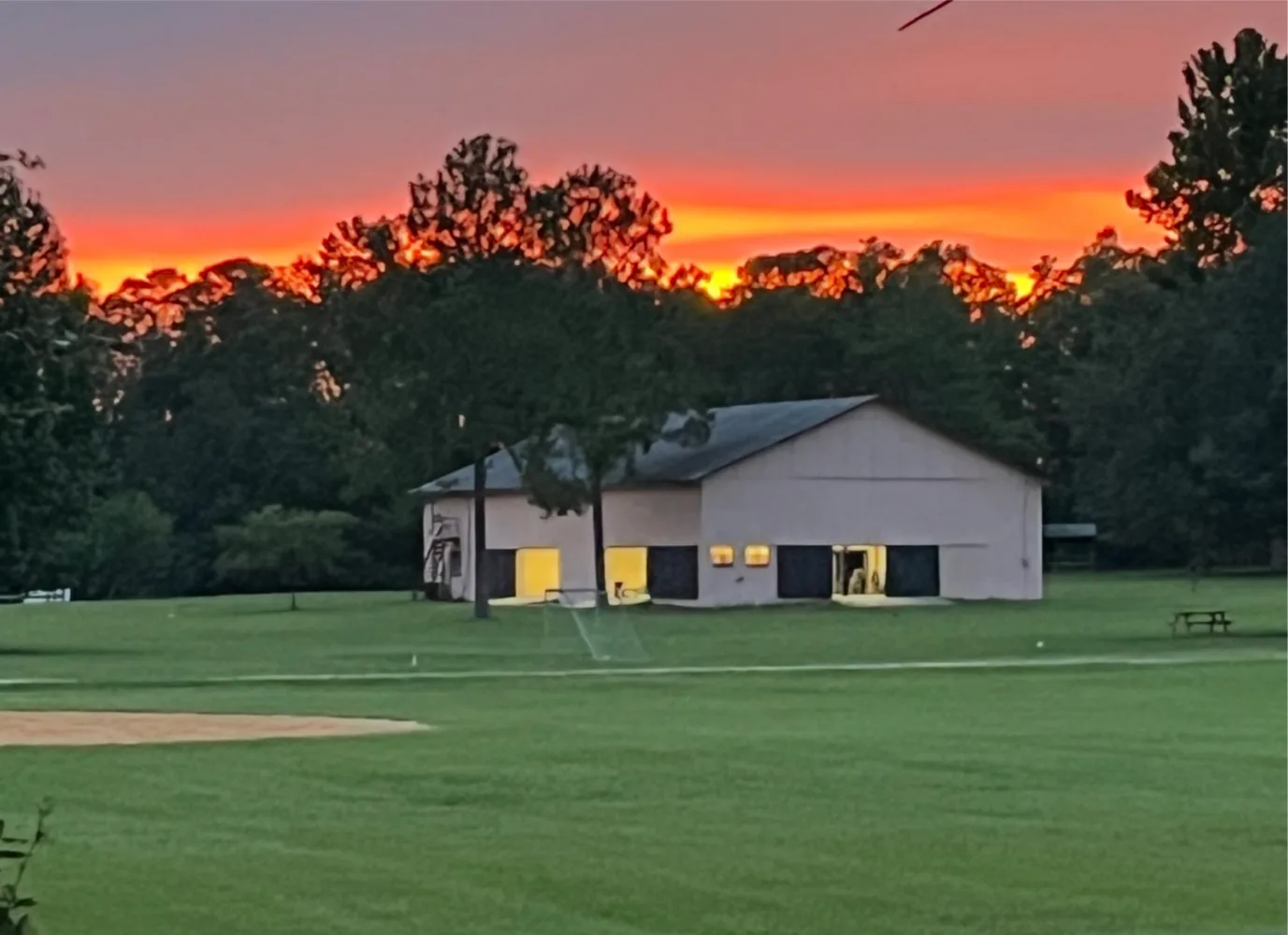
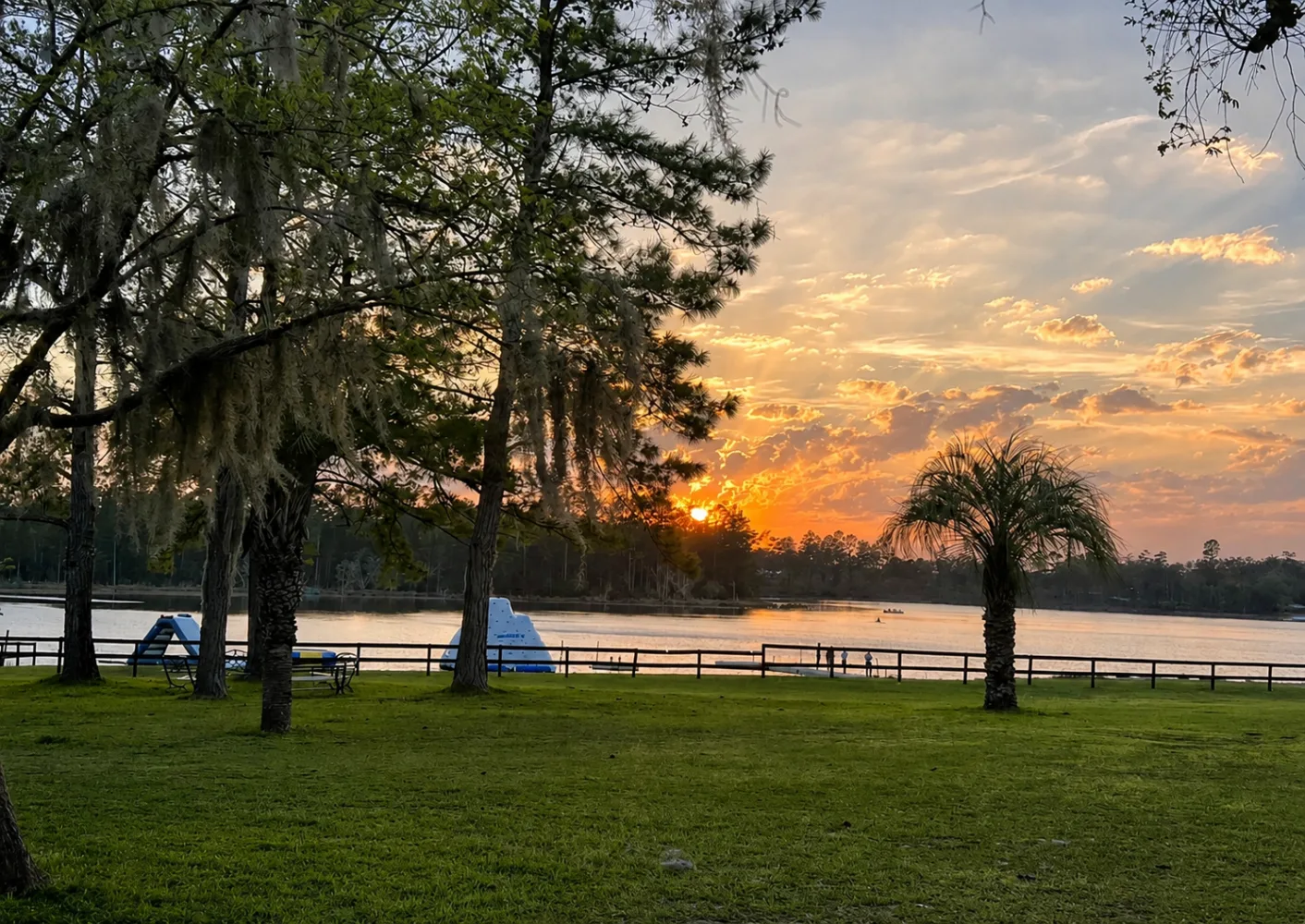
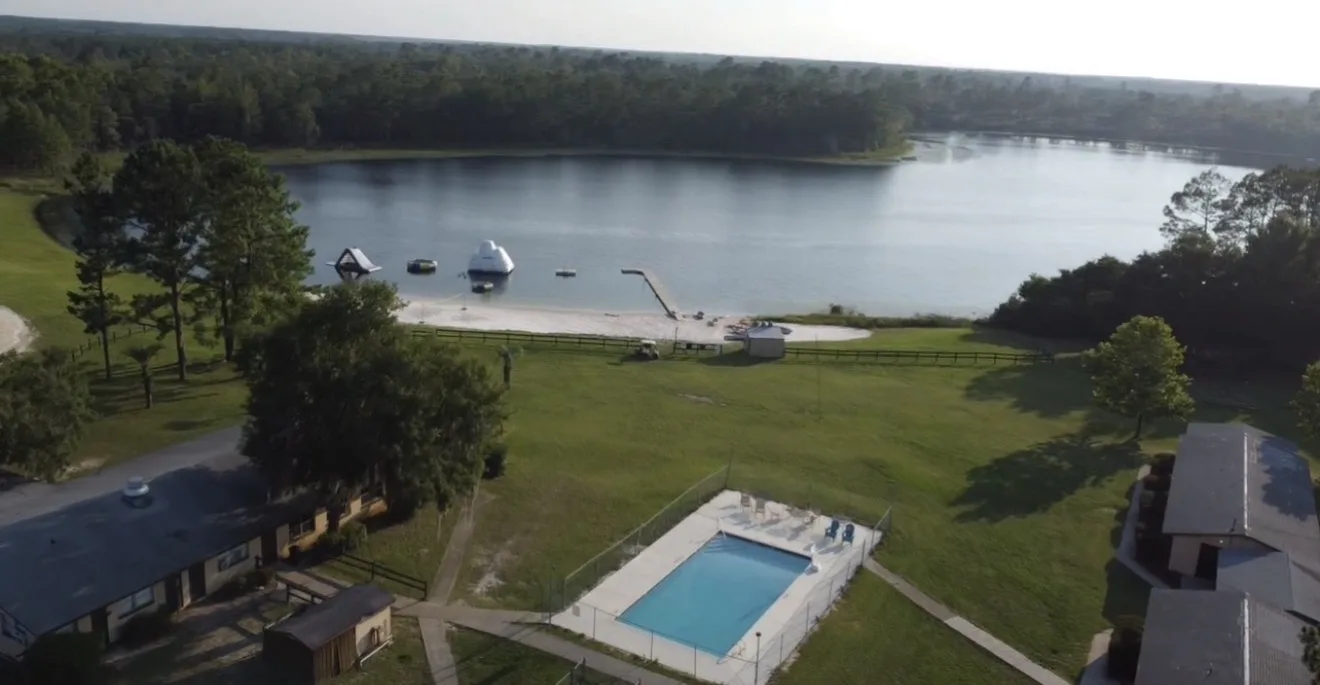
At Orange Springs, groups use a spring-fed lake with a white-sand beach, sports fields, basketball and tennis courts, trails, a pool, campfire areas, a high and low ropes course with climbing elements, and indoor meeting spaces — all on the same 100+ acre campus bordering the Ocala National Forest. See what is included when renting a summer camp.
7. Build the Weekend Around the Church’s Schedule

The retreat should follow the ministry’s goals, not another group’s meal slots.

Exclusive use gives the church control over when worship starts, when meals are served, when recreation happens, and when the group simply sits together. That flexibility matters most for larger groups. A church bringing 80, 120, or 180 people should not have to thread its schedule through someone else’s.
8. Take Lodging and Meals Off the Planner’s Desk

Food and beds are two of the fastest ways a retreat becomes harder than it needs to be.

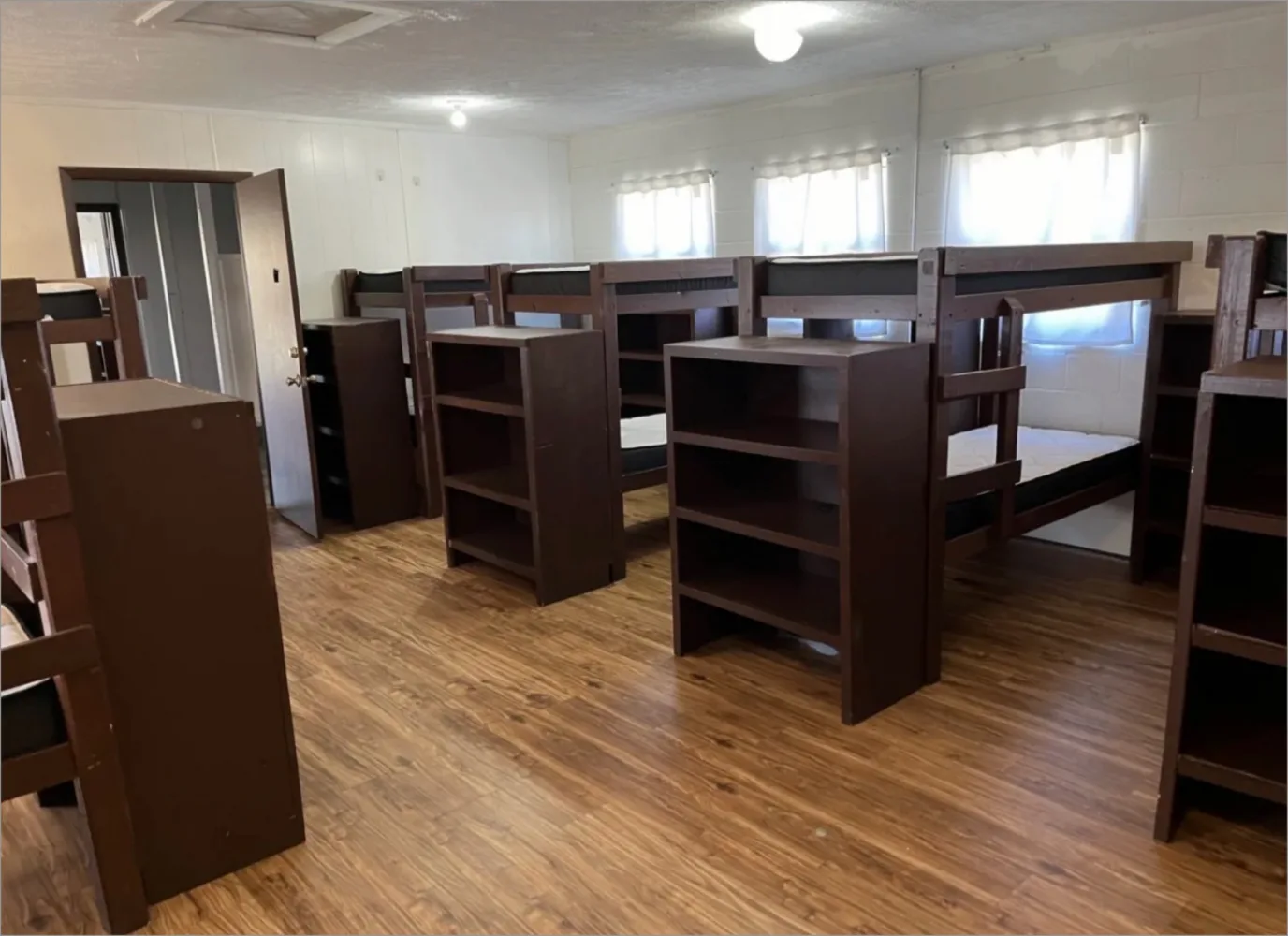
Orange Springs houses groups in climate-controlled, dormitory-style cabins with more than 200 beds across the property. Meals are prepared on site. Menus can be adjusted for common dietary needs, including vegetarian options and other restrictions given in advance.

The planner should not have to book three hotels and a separate caterer to keep 150 people together. The venue should absorb that work so leadership can run the retreat.

9. Choose a Property Built for Groups of 60–200+

A pretty property is not the same thing as a property that can hold a church as one group.

Ask how many people can actually sleep, eat, meet, and recreate together — not just how many beds appear on a fact sheet. A venue that works for a small board meeting or a family reunion may not work for a congregation bringing 100 or 200 people.

Orange Springs is designed for private groups of approximately 60–200+ guests. The test is not “How many beds?” The test is “Can this church function as one group for the entire stay?” That is the same question we use in what makes a great group retreat location in Florida.

10. Book a Place Churches Come Back To

Cabins, a lake, and an activity list are tools. They are not the reason a church repeats a retreat.

Churches return when the group stayed together, ate together, worshiped without competing noise, and never had to negotiate the dining hall or the waterfront with another organization. Those conditions are what people remember. They are also what makes the next year’s conversation easier: the church already knows how the campus works.

Exclusive-Use vs. Shared Campus: What Changes for a Church

Photographs of two Florida properties can look similar. The operating model is what changes the weekend. Use this comparison when a committee is choosing between an exclusive-use retreat center and a shared campus or conference facility.

What to compareExclusive-use retreat centerShared campus or conference facility
Who else is on the propertyOne organized group at a time. No other rental group on campus.Often two or more groups, plus staff programs or day visitors.
Dining hallThe church eats together on its own schedule.Meal times may be shared or assigned around other groups.
Lake, pool, fields, and recreationReserved for the church for the full stay.May be shared, scheduled, or limited by other groups.
Worship and meeting spaceThe church controls rooms, start times, and how late a session can run.Rooms and sound may be split or booked in blocks.
Schedule controlMeals, sessions, recreation, and free time follow the church’s program.The church adapts to the facility calendar.
AtmosphereOne congregation’s identity for the entire weekend.Another group’s noise, schedule, or presence can change the feel.
SupervisionLeaders only account for their own people on a closed campus.Youth and student groups share space with people they did not bring.
Best fitChurches, youth ministries, men’s and women’s weekends, and other groups of 60–200+ that need the whole campus.Smaller groups that mainly need beds and one meeting room.

For a fuller breakdown of this choice, see Group Retreat Locations in Florida: Exclusive vs Shared.
Questions to Ask Before Signing a Florida Retreat Contract

Do not rely on the word “private.” Ask the venue to answer these questions in writing:

  1. Will our church be the only organized group on the property for the entire stay?
  2. Will we share the dining hall, lake, pool, or meeting rooms with anyone else?
  3. Can the entire group sleep on site in climate-controlled lodging?
  4. Are meals prepared on site, and can dietary restrictions be accommodated?
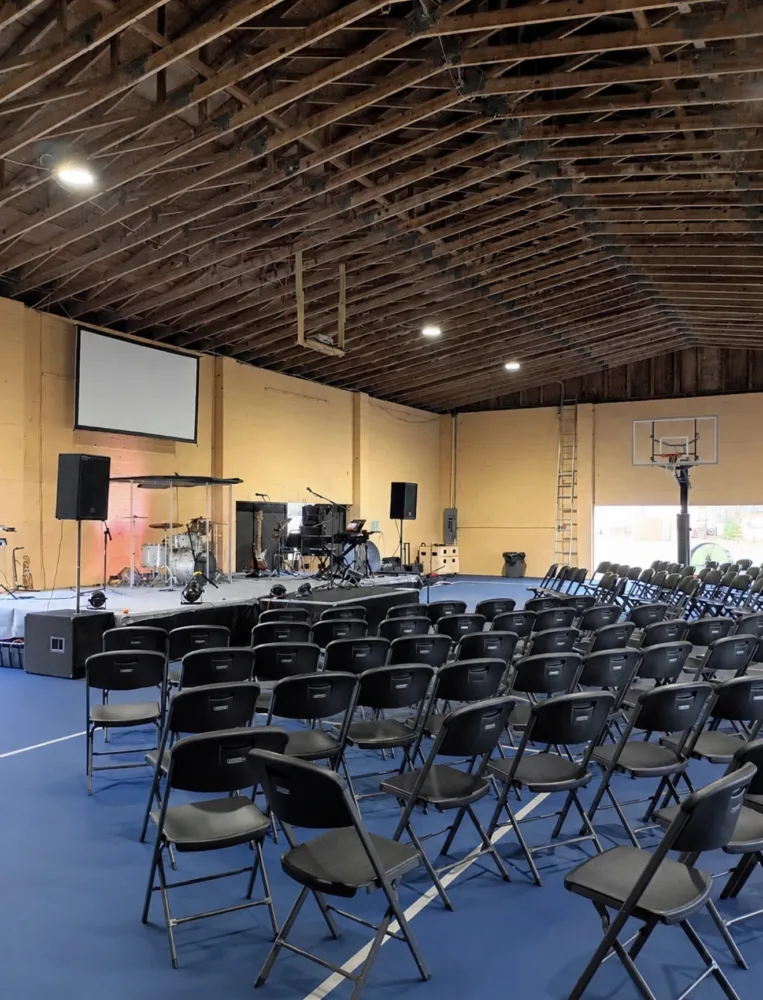
  5. Are worship and breakout spaces large enough for our group, and can we set our own start times?
  6. Are activities on the same campus, or will we leave the property?
  7. What is the realistic overnight capacity — and the minimum group size?
  8. How far is the campus from our church, and can buses reach it?
  9. What is included in the quoted rate, and what costs extra?
  10. Which 2027 dates are still open for a full-property reservation?

2027 Dates for Church Groups

Orange Springs Retreat Center’s 2026 calendar is fully booked, with an active waitlist for cancellations. New church reservations are focused on Fall 2027 through Summer 2028.

Church and youth calendars look flexible until a popular Friday–Sunday weekend is gone. Groups that want a true private weekend should request dates before registration opens — typically 9 to 14 months ahead. See when to book a 2027 Florida group retreat and how to budget for a church or youth group retreat in Florida.

A Private Church Retreat Campus in Central Florida

If a church needs a private retreat location in Florida for 60–200+ guests, Orange Springs Retreat Center offers an exclusive-use campus just south of Gainesville: more than 100 private acres bordering the Ocala National Forest, climate-controlled lodging, on-site dining, flexible meeting spaces, a spring-fed lake with a white-sand beach, sports facilities, a pool, trails, a ropes course, and campfire areas.

One group. One campus. No shared spaces. No outside guests. That is the condition that lets a church build the weekend around worship, conversation, and the people it actually brought.

Call (561) 221-7773 or use the contact page to talk through dates, group size, and meals. We are a CCCA member and have hosted church, youth, and school groups on this property since the campus moved to year-round exclusive use in 2002.

Related Guides

About Orange Springs Retreat Center

Church Group Retreat Venue in Florida

Group Retreat Locations in Florida: Exclusive vs Shared

How to Budget for a Church or Youth Group Retreat

When to Book a 2027 Florida Group Retreat

Planning a Successful Youth Group Retreat

How Outdoor Retreats Benefit Youth Groups

Florida High School Retreat Venue

How to Plan a High School Retreat

How to Host Your Own Retreat in Florida

What Is Included When Renting a Summer Camp

Rent a Summer Camp in Florida (rates and packages)

Rates, Availability & Booking

The Hidden Benefits of Off-Season Retreats

Why Exclusive-Use Retreat Venues Create Better Outcomes
Church Summer Camp Retreat
Adult Camp
Winter Church Retreat
florida retreat venue
Group Retreat Venue in Florida

The same exclusive-use campus also hosts school overnights. If a partner school is looking at a class trip rather than a church weekend, that is on the overnight class trip venue in Florida page.

Orange Spring retreat center logo over waterfront sunset
10 Reasons to Book a Church Group Retreat in Florida

10 Reasons to Book a Church Group Retreat in Florida

By Mike Sokol, Owner, Orange Springs Retreat Center

Updated September 2026  ·  CCCA Member  ·  Exclusive-use campus in Central Florida

These 10 reasons are what church leaders should weigh before booking a Florida church group retreat venue — especially if the group is 60 to 200+ and needs the campus to itself.

retreat venue florida
host group retreat florida

1. Get the Church Away From Everyday Distractions

Work, school, family schedules, phones, and weekly programming leave little room for extended conversation. A retreat changes the environment.

Instead of asking people to fit fellowship around everything else, the weekend gives the church a dedicated block of time. A change of setting helps people slow down and stay present. For many congregations, that is the main reason to leave town.

2. Strengthen Relationships Through Shared Experiences

People rarely build deeper relationships by sitting in the same sanctuary for one hour. They build them by eating together, walking the same property, talking after a session, competing on a field, or sitting around a campfire when no one has to leave.

Those shared hours become part of the church’s culture after the buses go home. That is the return on a retreat that a Sunday service cannot manufacture.

3. Create Room for Worship, Prayer, and Teaching

A normal church calendar compresses worship, teaching, small groups, prayer, and fellowship into a few hours. A retreat can give those same elements an entire weekend.

Churches commonly use the extra time for worship gatherings, Bible teaching, small-group discussion, prayer, leadership conversations, testimonies, and youth ministry programming. The venue’s job is not to write that program. The venue’s job is to give the church enough space and schedule control to run it.

4. Book a Campus Your Church Does Not Have to Share

This is the question that should come before the amenity list: will the church actually have the property to itself?

Some Florida retreat centers and conference facilities host more than one group at the same time. That can mean sharing a dining hall, splitting meeting rooms, waiting on the waterfront, or adjusting worship around another organization’s schedule.

An exclusive-use campus is different. At Orange Springs Retreat Center, we host one organized group at a time. When a church books the property, that church receives the campus — lodging, dining, meeting spaces, lake, fields, and gathering areas — without another rental group on site.

No competing meal times. No shared waterfront. No wondering which group is supposed to be in the dining hall. For a weekend built around worship and conversation, that privacy is not a luxury. It is how the program actually runs.

5. Keep Lodging, Meals, Worship, and Recreation on One Property

A retreat is easier to lead when people do not split between hotels, off-site restaurants, and a separate activity venue.

When cabins, meals, meeting rooms, and recreation sit on the same campus, the group stays together between sessions. Informal conversations happen on the walk to dinner instead of in a parking lot. Transportation, supervision, and timing all get simpler for the people running the weekend.

6. Use More Than a Meeting Room

A church retreat should not feel like a conference that happens to be somewhere else. The setting has to support a change of pace.

On an exclusive-use camp-style campus, a morning teaching session can be followed by time at the lake, a small-group conversation on a porch, a game on the fields, or an evening gathering around a fire. The property becomes part of the program instead of a backdrop.

At Orange Springs, groups use a spring-fed lake with a white-sand beach, sports fields, basketball and tennis courts, trails, a pool, campfire areas, a high and low ropes course with climbing elements, and indoor meeting spaces — all on the same 100+ acre campus bordering the Ocala National Forest. See what is included when renting a summer camp.

7. Build the Weekend Around the Church’s Schedule

The retreat should follow the ministry’s goals, not another group’s meal slots.

Exclusive use gives the church control over when worship starts, when meals are served, when recreation happens, and when the group simply sits together. That flexibility matters most for larger groups. A church bringing 80, 120, or 180 people should not have to thread its schedule through someone else’s.

8. Take Lodging and Meals Off the Planner’s Desk

Food and beds are two of the fastest ways a retreat becomes harder than it needs to be.

Orange Springs houses groups in climate-controlled, dormitory-style cabins with more than 200 beds across the property. Meals are prepared on site. Menus can be adjusted for common dietary needs, including vegetarian options and other restrictions given in advance.

The planner should not have to book three hotels and a separate caterer to keep 150 people together. The venue should absorb that work so leadership can run the retreat.

9. Choose a Property Built for Groups of 60–200+

A pretty property is not the same thing as a property that can hold a church as one group.

Ask how many people can actually sleep, eat, meet, and recreate together — not just how many beds appear on a fact sheet. A venue that works for a small board meeting or a family reunion may not work for a congregation bringing 100 or 200 people.

Orange Springs is designed for private groups of approximately 60–200+ guests. The test is not “How many beds?” The test is “Can this church function as one group for the entire stay?” That is the same question we use in what makes a great group retreat location in Florida.

10. Book a Place Churches Come Back To

Cabins, a lake, and an activity list are tools. They are not the reason a church repeats a retreat.

Churches return when the group stayed together, ate together, worshiped without competing noise, and never had to negotiate the dining hall or the waterfront with another organization. Those conditions are what people remember. They are also what makes the next year’s conversation easier: the church already knows how the campus works.

Exclusive-Use vs. Shared Campus: What Changes for a Church

Photographs of two Florida properties can look similar. The operating model is what changes the weekend. Use this comparison when a committee is choosing between an exclusive-use retreat center and a shared campus or conference facility.

What to compareExclusive-use retreat centerShared campus or conference facility
Who else is on the propertyOne organized group at a time. No other rental group on campus.Often two or more groups, plus staff programs or day visitors.
Dining hallThe church eats together on its own schedule.Meal times may be shared or assigned around other groups.
Lake, pool, fields, and recreationReserved for the church for the full stay.May be shared, scheduled, or limited by other groups.
Worship and meeting spaceThe church controls rooms, start times, and how late a session can run.Rooms and sound may be split or booked in blocks.
Schedule controlMeals, sessions, recreation, and free time follow the church’s program.The church adapts to the facility calendar.
AtmosphereOne congregation’s identity for the entire weekend.Another group’s noise, schedule, or presence can change the feel.
SupervisionLeaders only account for their own people on a closed campus.Youth and student groups share space with people they did not bring.
Best fitChurches, youth ministries, men’s and women’s weekends, and other groups of 60–200+ that need the whole campus.Smaller groups that mainly need beds and one meeting room.

For a fuller breakdown of this choice, see Group Retreat Locations in Florida: Exclusive vs Shared.

Questions to Ask Before Signing a Florida Retreat Contract

Do not rely on the word “private.” Ask the venue to answer these questions in writing:

  1. Will our church be the only organized group on the property for the entire stay?
  2. Will we share the dining hall, lake, pool, or meeting rooms with anyone else?
  3. Can the entire group sleep on site in climate-controlled lodging?
  4. Are meals prepared on site, and can dietary restrictions be accommodated?
  5. Are worship and breakout spaces large enough for our group, and can we set our own start times?
  6. Are activities on the same campus, or will we leave the property?
  7. What is the realistic overnight capacity — and the minimum group size?
  8. How far is the campus from our church, and can buses reach it?
  9. What is included in the quoted rate, and what costs extra?
  10. Which 2027 dates are still open for a full-property reservation?

2027 Dates for Church Groups

Orange Springs Retreat Center’s 2026 calendar is fully booked, with an active waitlist for cancellations. New church reservations are focused on Fall 2027 through Summer 2028.

Church and youth calendars look flexible until a popular Friday–Sunday weekend is gone. Groups that want a true private weekend should request dates before registration opens — typically 9 to 14 months ahead. See when to book a 2027 Florida group retreat and how to budget for a church or youth group retreat in Florida.

A Private Church Retreat Campus in Central Florida

If a church needs a private retreat location in Florida for 60–200+ guests, Orange Springs Retreat Center offers an exclusive-use campus just south of Gainesville: more than 100 private acres bordering the Ocala National Forest, climate-controlled lodging, on-site dining, flexible meeting spaces, a spring-fed lake with a white-sand beach, sports facilities, a pool, trails, a ropes course, and campfire areas.

One group. One campus. No shared spaces. No outside guests. That is the condition that lets a church build the weekend around worship, conversation, and the people it actually brought.

Call (561) 221-7773 or use the contact page to talk through dates, group size, and meals. We are a CCCA member and have hosted church, youth, and school groups on this property since the campus moved to year-round exclusive use in 2002.

Related Guides

About Orange Springs Retreat Center

Church Group Retreat Venue in Florida

Group Retreat Locations in Florida: Exclusive vs Shared

How to Budget for a Church or Youth Group Retreat

When to Book a 2027 Florida Group Retreat

Planning a Successful Youth Group Retreat

How Outdoor Retreats Benefit Youth Groups

Florida High School Retreat Venue

How to Plan a High School Retreat

How to Host Your Own Retreat in Florida

What Is Included When Renting a Summer Camp

Rent a Summer Camp in Florida (rates and packages)

Rates, Availability & Booking

The Hidden Benefits of Off-Season Retreats

Why Exclusive-Use Retreat Venues Create Better Outcomes
Church Summer Camp Retreat
Adult Camp
Winter Church Retreat
florida retreat venue
Group Retreat Venue in Florida

The same exclusive-use campus also hosts school overnights. If a partner school is looking at a class trip rather than a church weekend, that is on the overnight class trip venue in Florida page.

Website developed in accordance with Web Content Accessibility Guidelines 2.2.
If you encounter any issues while using this site, please contact us: 561.221.7773