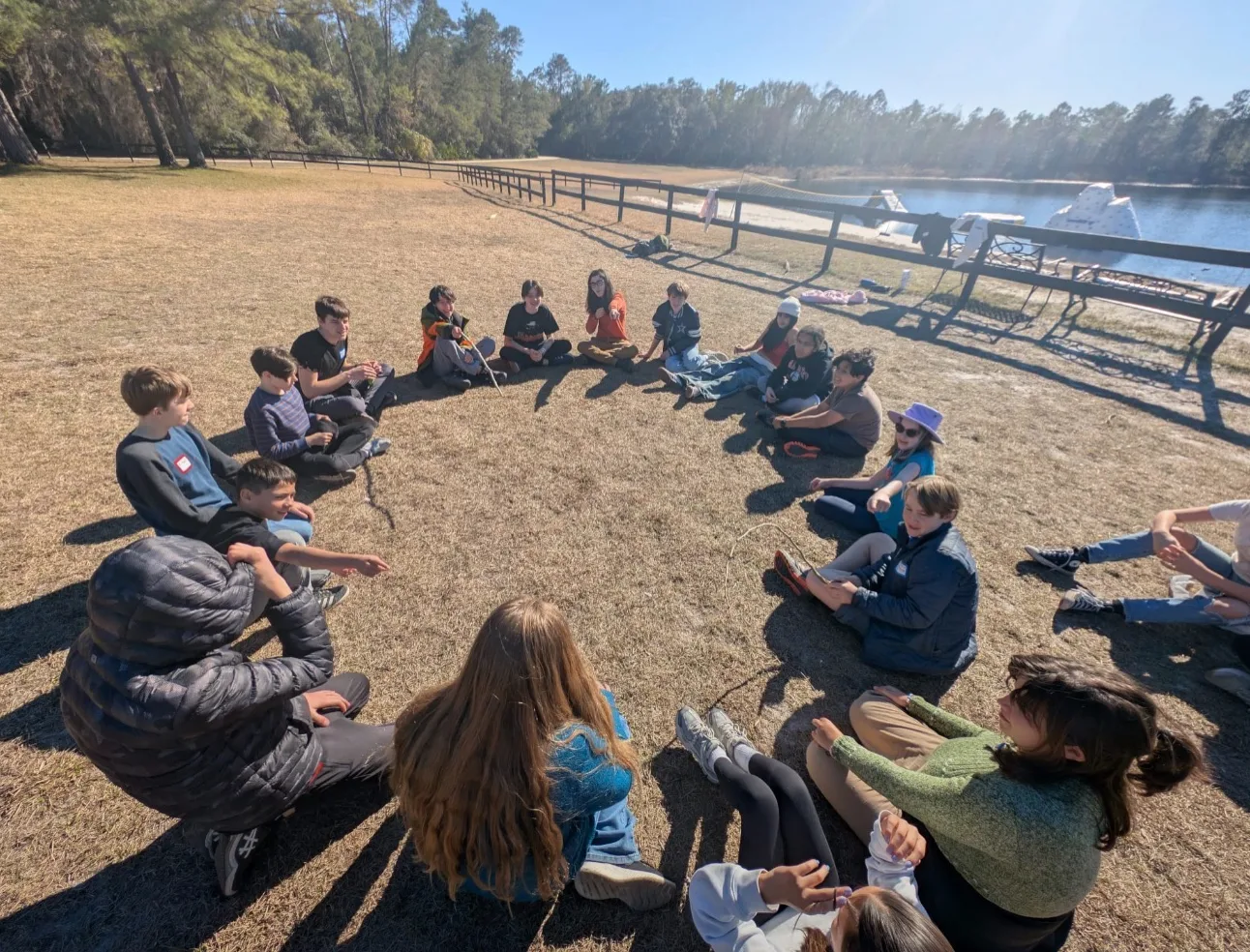
Blog

Organizing a high school retreat takes more than choosing a date and finding a place to sleep. The best class trips give students time away from the normal school environment to build relationships, develop leadership skills, reflect on shared values, and create experiences that stay with them long after they return to campus.

The challenge is making all the logistics work together: choosing the right goals, finding a venue that fits the group, managing supervision, planning meals and activities, communicating with parents, and building a schedule that gives students both structure and time to connect.

This guide is designed for the people who actually make high school retreats happen—including teachers, assistant principals, deans, campus ministers, counselors, and retreat coordinators. It walks through the process from the first planning conversation to the students’ final departure.

Whether you’re planning a class retreat, leadership retreat, spiritual retreat, freshman experience, senior retreat, or multi-grade program, the same basic principles apply.

retreat pricing guide
Freshman Class Trip

1. Start With Clear Goals Before Looking at Venues

Before calling retreat centers, answer one question:

What do you want students to take away from the experience?

A retreat with a clearly defined purpose is much easier to plan than one that simply fills a weekend with activities.

Common high school retreat goals include:

  • Freshman bonding and transition into high school
  • Class-wide community building
  • Senior leadership and legacy
  • Student leadership development
  • Spiritual renewal or campus ministry
  • Character development
  • Strengthening relationships among students and faculty
  • Preparing students for a new school year
  • Giving students time to reflect and reset after a demanding year

Start by writing the primary goal in one sentence. Then identify two or three secondary outcomes. Those goals should become the filter for every major decision that follows—including the venue, activities, schedule, staffing, and budget.

2. Determine Your Group Size, Budget & Preferred Dates

Once you know what you want the retreat to accomplish, determine approximately how many students and adults will attend.

High school retreats often fall into several general group sizes:

  • 60–90 students: Smaller groups with relatively simple logistics
  • 100–150 students: Common for full-class or multi-grade retreats
  • 160–220+ students: Requires careful attention to lodging, dining, meeting space, supervision, and activities

Don’t forget to count chaperones, faculty, administrators, campus ministers, and other adult participants when determining your total group size.

Establish your budget early

Ask what your budget needs to cover:

  • Lodging
  • Meals
  • Meeting space
  • Activities
  • Transportation
  • Staff or facilitators
  • Equipment and special programming
  • Additional event costs

Then compare venues based on the total retreat cost, not simply the advertised lodging rate. A lower room rate can become less attractive when a school has to add buses, off-site activities, separate meeting facilities, multiple meals, or transportation between locations. An all-in-one retreat campus may have a higher per-person rate while reducing logistical complexity and transportation costs.

Book popular dates early

For 2027 and 2028 retreats, schools should begin looking at dates well in advance. Popular fall and spring weekends can fill many months ahead, particularly for larger groups that require an entire property. If your dates are flexible, ask venues about weekday, winter, and spring availability as well as traditional Friday–Sunday weekends.
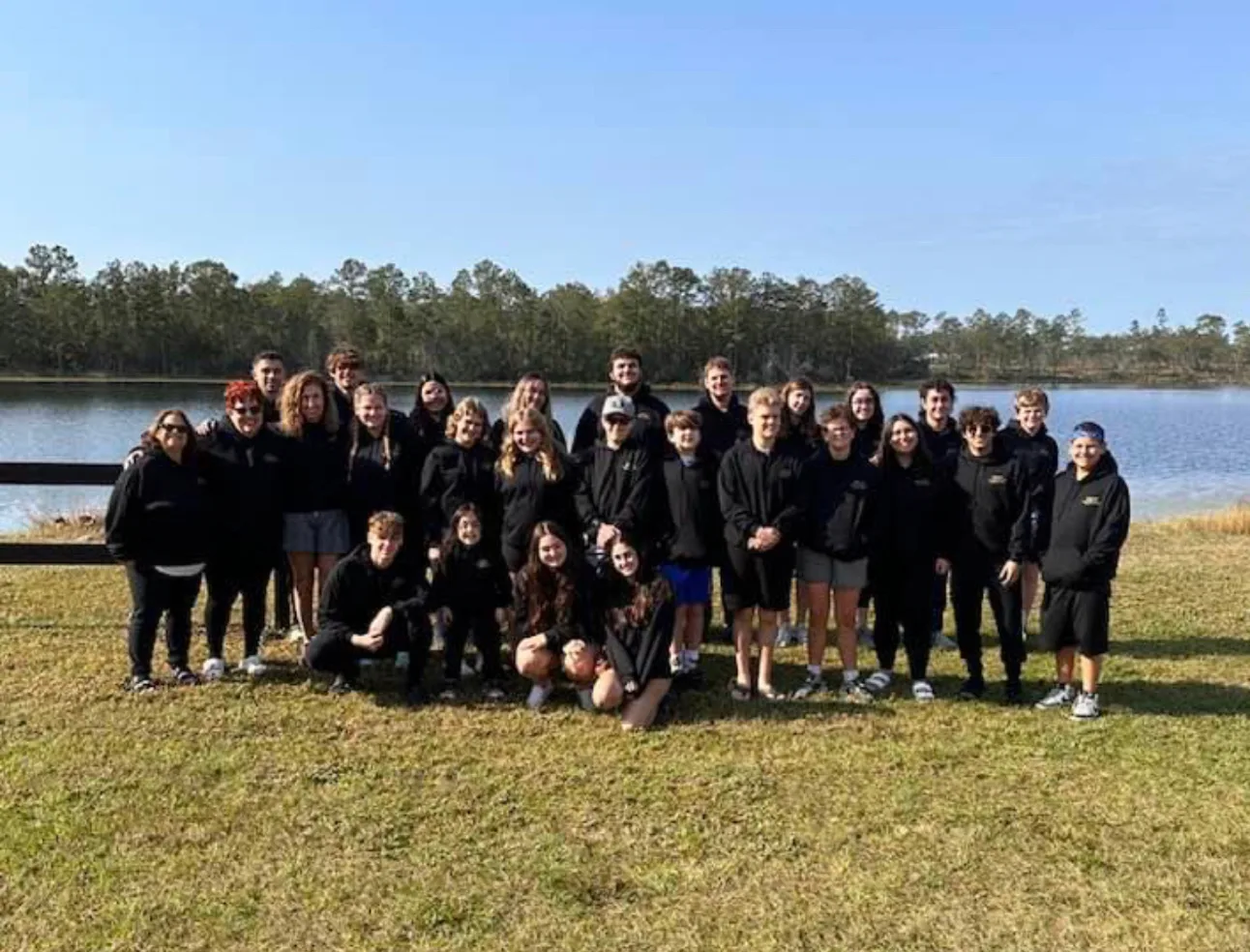
Senior Class Trip

3. Choose the Right Type of Retreat Venue

The venue can have a major effect on the experience. Schools generally have three broad options.

Shared or multi-group facilities

Hotels, conference centers, and some retreat facilities host several groups at the same time. This can mean sharing dining facilities, recreation areas, meeting rooms, common spaces, and outdoor facilities.

For some programs that arrangement works. For a retreat where privacy, group identity, and supervision are priorities, however, it can create unnecessary distractions.

Hotel + off-site activities

Another option is to house students in a hotel and transport them to separate locations for activities or programming. This can work, but it adds logistics. Every off-site activity potentially means bus transportation, loading and unloading, additional scheduling, more supervision, more opportunities for delays, and less time for students to simply be together.

Exclusive-use retreat centers

An exclusive-use retreat center gives one group the entire property during its stay. That can mean private access to lodging, dining facilities, meeting rooms, recreation, outdoor spaces, waterfront areas, campfire areas, and sports facilities.

For high school groups, exclusive-use is often the difference between a good trip and a transformative one. When the entire campus belongs to your students, supervision becomes simpler, group culture is easier to build, and the retreat feels like a self-contained experience rather than a series of logistics. Students are not constantly encountering unrelated guests or moving between buildings that belong to someone else.

Schools looking for this model can learn more about Florida high school retreat options and school group retreat locations that prioritize exclusive-use.

4. Ask the Right Questions When Evaluating a Venue

A beautiful website doesn’t necessarily mean a venue is a good fit for your school. Before booking, ask specific operational questions.

Lodging

  • How many students can the venue accommodate?
  • Is the lodging climate-controlled?
  • How are students divided among rooms or cabins?
  • Are chaperones housed close to students?
  • Can the venue accommodate the school’s preferred rooming arrangements?
  • How many beds are actually available for your dates?

Dining

  • Can the entire group eat together?
  • How are meals served?
  • Can the kitchen accommodate vegetarian, allergy-related, or other dietary requirements?
  • Are meals included in the quoted price?
  • Can meal times be adjusted around your retreat schedule?

Meeting & program space

  • Is there a dedicated space large enough for the entire group?
  • Are smaller breakout rooms available?
  • Is there indoor space available if weather changes?
  • Can the school bring its own speakers, presentations, or worship materials?

Activities

  • What can students do without leaving the property?
  • Are water activities available?
  • Are sports facilities available?
  • Are ropes, climbing, or other adventure activities offered?
  • Are activities supervised or facilitated by venue staff?
  • Are there additional fees for activities?

Privacy & exclusivity

Perhaps the most important question is:

Will another group be staying or using the property at the same time?

If the answer is yes, ask exactly which facilities will be shared. For schools, exclusive-use can make supervision easier and create a stronger sense that the entire retreat environment belongs to the students.
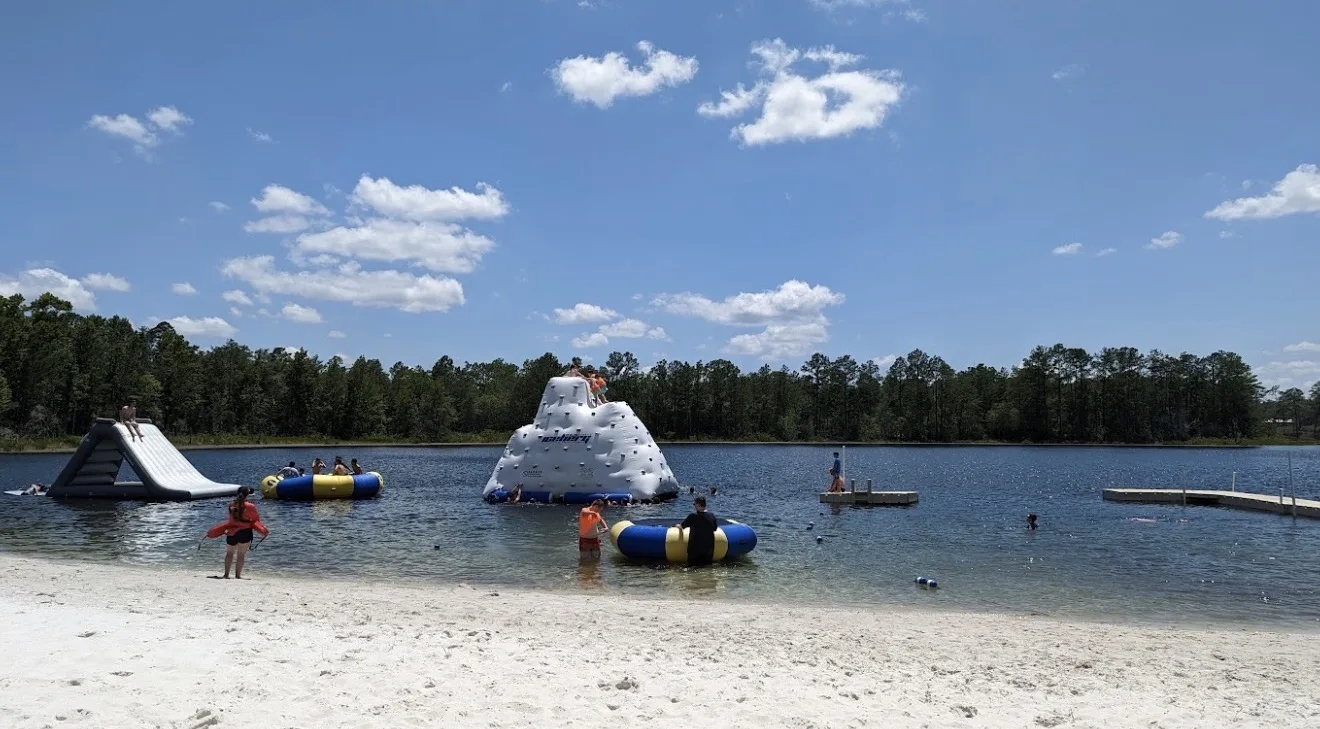
group retreat activities

5. Consider Location & Transportation Carefully

A retreat doesn’t really begin when students arrive at the venue. It begins when they get on the bus.

A location that looks attractive on a map may create significant transportation challenges if students spend several hours traveling each way. When evaluating a venue, calculate actual drive time from your school, bus access and parking, arrival and departure logistics, and whether activities require leaving the property.

The ability to keep lodging, meals, meetings, and activities on one private campus can eliminate a significant amount of local transportation during the retreat itself. That extra time stays with the students instead of being spent loading and unloading buses.

6. Build a Realistic Retreat Timeline

You don’t need to plan everything at once. A simple timeline keeps the process manageable.

12–14 months before

  • Define retreat goals
  • Estimate student and adult attendance
  • Identify preferred dates
  • Establish a preliminary budget
  • Begin researching venues

9–10 months before

  • Select and book the venue
  • Pay required deposits
  • Begin parent communication
  • Begin fundraising if necessary
  • Start developing the retreat program

6 months before

  • Update expected attendance
  • Confirm chaperones and faculty
  • Develop major program elements
  • Begin transportation planning

3 months before

  • Build the detailed schedule
  • Finalize activities
  • Prepare packing information
  • Collect required medical and emergency information
  • Confirm transportation

4–6 weeks before

  • Provide the venue with updated numbers
  • Submit rooming information
  • Submit dietary requirements
  • Confirm arrival and departure times
  • Review the final schedule with the venue

Final week

  • Confirm transportation
  • Distribute final student information
  • Review emergency procedures
  • Confirm venue contacts
  • Make sure students and parents know what to expect

7. Design the Schedule Around the Students

One of the most common retreat-planning mistakes is trying to fill every minute. Students need structure—but they also need time to talk, play, explore, and simply be together.

A typical weekend might look something like:

Friday

Arrival and orientation → dinner → opening session focused on the retreat purpose → evening activity or campfire to begin building group energy

Saturday

Morning session → recreation and free time → lunch → workshops, small groups, or service → more recreation → dinner → evening program

Sunday

Closing session that brings the purpose full circle → final meal → departure

The exact schedule will depend on the retreat’s purpose. A leadership retreat might emphasize workshops and team challenges. A spiritual retreat might emphasize small groups, reflection, and quiet time. A freshman retreat might emphasize relationship-building and school culture. The key is to make the environment support the program, rather than forcing the program into an environment that wasn’t designed for it.

8. Balance Structured Programming With Unstructured Time

Some of the most valuable moments of a retreat aren’t on the official schedule. Students may remember talking around a campfire, playing basketball after dinner, swimming with classmates, sitting together by the lake, having conversations late into the evening, exploring the property, or simply laughing between sessions.

Build those opportunities intentionally. A retreat shouldn’t feel like three consecutive days of school somewhere else. The change of environment is part of what makes the retreat work.

9. Plan for Safety, Supervision & Parent Communication

Schools have a responsibility to make supervision and emergency planning part of the retreat from the beginning. Before the trip:

  • Establish appropriate chaperone-to-student ratios
  • Collect medical information and emergency contacts
  • Identify students with dietary or accessibility needs
  • Establish clear expectations for student behavior
  • Review emergency procedures with staff
  • Make sure chaperones understand their responsibilities
  • Communicate the schedule and expectations to parents

The physical layout of the venue matters too. A property where students are spread across multiple buildings or where unrelated guests are present can make supervision more complicated. An exclusive-use campus can simplify this by giving the school control over the entire retreat environment.

10. Don’t Underestimate Food & Sleep

Two basic things can make or break a student retreat: good food and good sleep. Students who are hungry, uncomfortable, or exhausted aren’t likely to get much out of the program.

When evaluating a venue, ask:

  • Are beds comfortable and appropriate for students?
  • Are cabins or rooms climate-controlled?
  • How many students sleep in each room?
  • How are meals planned?
  • Can dietary restrictions be accommodated?
  • Is there enough food for teenagers?
  • Can meal times work with the retreat schedule?

These aren’t minor details. They directly affect student energy, behavior, and participation.
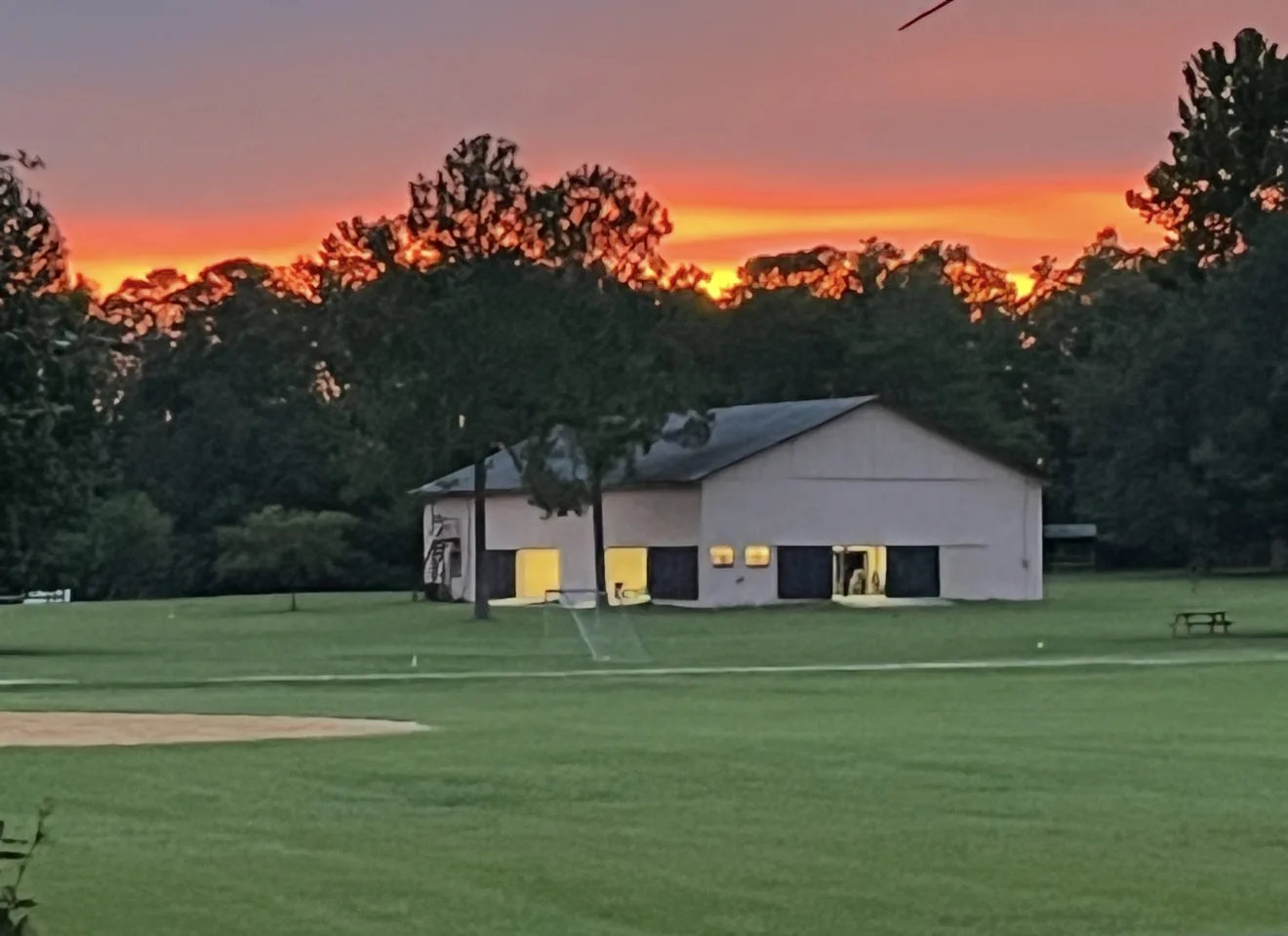
rent a summer camp for a weekend in Florida
High School Retreat Venue

11. How Much Does It Cost?

Cost is one of the first questions every administrator asks, and the answer depends on group size, length of stay, season, and what is included.

All-inclusive exclusive-use venues typically quote a per-person rate that covers lodging, meals, and full facility access. Shared or hotel-based options may appear lower at first glance but often require additional costs for meeting space, transportation between sites, activity fees, and evening supervision.

For current 2027 pricing examples, seasonal rates, and a clear breakdown of what is included, see the full guide: How Much Does It Cost to Rent a Summer Camp in Florida?.

When comparing options, calculate the total cost of the retreat rather than focusing only on the nightly rate. Include transportation, additional activity fees, meeting space charges, and any costs created by having to move the group between locations.

12. Avoid These Common High School Retreat Mistakes

  • Booking the venue before defining the retreat. A venue shouldn’t determine your goals. Your goals should determine the venue.
  • Choosing a venue based only on price. Compare the complete retreat cost, including transportation, meals, activities, meeting space, and other required expenses.
  • Sharing a property without realizing it. Ask specifically whether another group will be present during your stay.
  • Over-programming the weekend. Students need downtime and opportunities for informal connection.
  • Underestimating food and lodging. Comfortable sleeping arrangements and quality meals have a bigger effect on the retreat than many planners expect.
  • Waiting too long to book. Large groups have fewer venue options, particularly during popular spring and fall dates.
  • Choosing a venue that requires constant transportation. Every bus trip adds time, cost, supervision, and complexity.

13. Why Exclusive-Use Can Make High School Retreats Easier

For schools considering an exclusive-use retreat center, the biggest advantage isn’t simply having a private property. It’s having one environment designed around the group for the entire stay.

Students can eat together, attend sessions together, participate in activities together, and spend informal time together without constantly encountering unrelated guests or traveling between facilities.

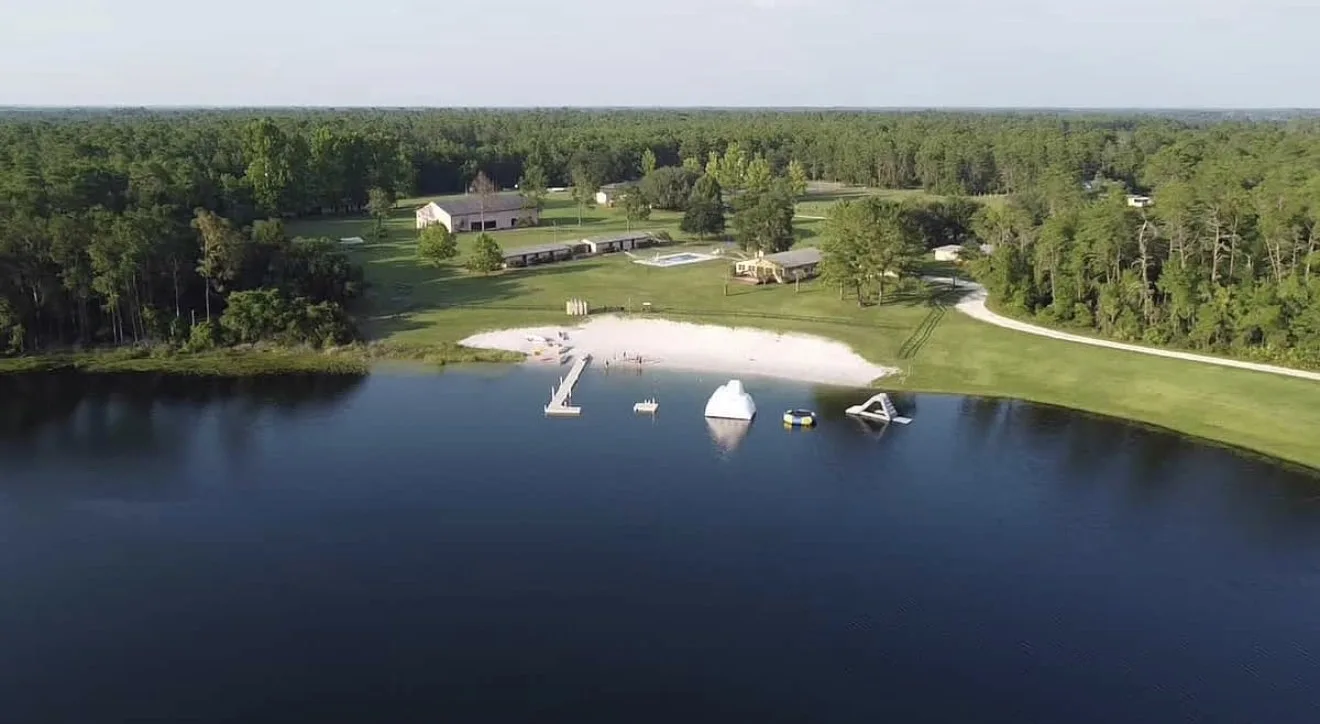
At Orange Springs Retreat Center, one group has the entire 100+ acre campus during its stay. Groups of 60–200+ students and chaperones can have exclusive access to climate-controlled cabins, a dining hall, meeting and program spaces, a spring-fed lake and white-sand beach, canoeing, kayaking, paddleboarding, sports fields, basketball and tennis, ropes and climbing activities, campfire areas, and outdoor gathering spaces.

Learn more about Florida high school retreat venues and school group retreat locations designed for exclusive-use groups.

14. Your High School Retreat Planning Checklist

Before you sign a contract, make sure you can answer these questions:

  • What is the primary goal of our retreat?
  • How many students and adults will attend?
  • What dates work best?
  • What is our total budget?
  • Is the venue truly exclusive-use?
  • Does it have enough climate-controlled lodging?
  • Can everyone eat together?
  • Can dietary needs be accommodated?
  • Is there enough meeting space?
  • What activities are available on-site?
  • What happens if weather changes?
  • How will students be supervised?
  • How long will transportation take?
  • What information do parents need?
  • When do we need final numbers and rooming lists?
  • What is included in the venue price?
  • What costs extra?

If you can answer those questions before booking, you’re already ahead of many retreat-planning problems.
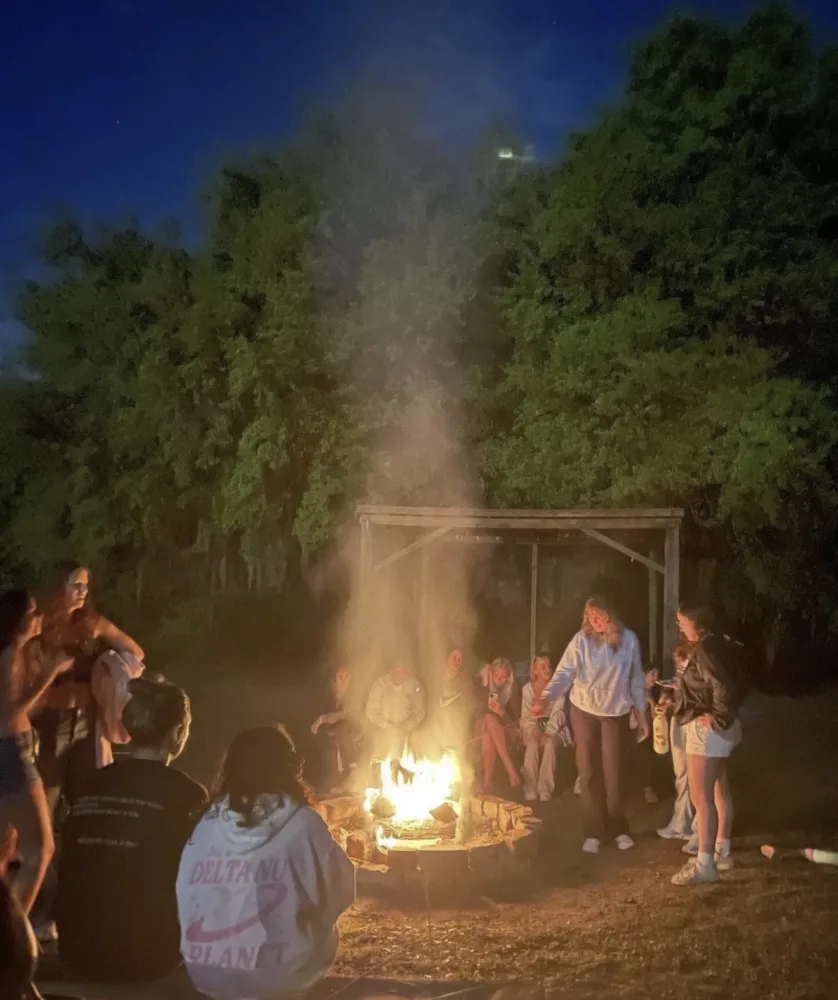
Church Retreat Location

Start Planning Your High School Retreat

A successful high school retreat doesn’t happen by accident. It starts with a clear purpose, a realistic plan, and a venue that supports what you’re trying to accomplish.

If you’re planning a high school retreat for 2027 or 2028, Orange Springs Retreat Center provides an exclusive-use retreat environment for groups of 60–200+ students and chaperones in Central Florida.

Your group gets the entire campus—not a shared hotel, not a shared conference center, and not a property filled with unrelated guests.

One group. One campus. One retreat experience.

For current rates, available dates, and how to reserve, see the Rates, Availability & Booking Guide.

Orange Springs Retreat Center

We host only one group at a time. Always.

How to Plan a High School Retreat: A Complete Guide for Administrators, Deans & Retreat Coordinators

Organizing a high school retreat takes more than choosing a date and finding a place to sleep. The best class trips give students time away from the normal school environment to build relationships, develop leadership skills, reflect on shared values, and create experiences that stay with them long after they return to campus.

The challenge is making all the logistics work together: choosing the right goals, finding a venue that fits the group, managing supervision, planning meals and activities, communicating with parents, and building a schedule that gives students both structure and time to connect.

This guide is designed for the people who actually make high school retreats happen—including teachers, assistant principals, deans, campus ministers, counselors, and retreat coordinators. It walks through the process from the first planning conversation to the students’ final departure.

Whether you’re planning a class retreat, leadership retreat, spiritual retreat, freshman experience, senior retreat, or multi-grade program, the same basic principles apply.

retreat pricing guide
Freshman Class Trip

1. Start With Clear Goals Before Looking at Venues

Before calling retreat centers, answer one question:

What do you want students to take away from the experience?

A retreat with a clearly defined purpose is much easier to plan than one that simply fills a weekend with activities.

Common high school retreat goals include:

  • Freshman bonding and transition into high school
  • Class-wide community building
  • Senior leadership and legacy
  • Student leadership development
  • Spiritual renewal or campus ministry
  • Character development
  • Strengthening relationships among students and faculty
  • Preparing students for a new school year
  • Giving students time to reflect and reset after a demanding year

Start by writing the primary goal in one sentence. Then identify two or three secondary outcomes. Those goals should become the filter for every major decision that follows—including the venue, activities, schedule, staffing, and budget.

2. Determine Your Group Size, Budget & Preferred Dates

Once you know what you want the retreat to accomplish, determine approximately how many students and adults will attend.

High school retreats often fall into several general group sizes:

  • 60–90 students: Smaller groups with relatively simple logistics
  • 100–150 students: Common for full-class or multi-grade retreats
  • 160–220+ students: Requires careful attention to lodging, dining, meeting space, supervision, and activities

Don’t forget to count chaperones, faculty, administrators, campus ministers, and other adult participants when determining your total group size.

Establish your budget early

Ask what your budget needs to cover:

  • Lodging
  • Meals
  • Meeting space
  • Activities
  • Transportation
  • Staff or facilitators
  • Equipment and special programming
  • Additional event costs

Then compare venues based on the total retreat cost, not simply the advertised lodging rate. A lower room rate can become less attractive when a school has to add buses, off-site activities, separate meeting facilities, multiple meals, or transportation between locations. An all-in-one retreat campus may have a higher per-person rate while reducing logistical complexity and transportation costs.

Book popular dates early

For 2027 and 2028 retreats, schools should begin looking at dates well in advance. Popular fall and spring weekends can fill many months ahead, particularly for larger groups that require an entire property. If your dates are flexible, ask venues about weekday, winter, and spring availability as well as traditional Friday–Sunday weekends.

Senior Class Trip

3. Choose the Right Type of Retreat Venue

The venue can have a major effect on the experience. Schools generally have three broad options.

Shared or multi-group facilities

Hotels, conference centers, and some retreat facilities host several groups at the same time. This can mean sharing dining facilities, recreation areas, meeting rooms, common spaces, and outdoor facilities.

For some programs that arrangement works. For a retreat where privacy, group identity, and supervision are priorities, however, it can create unnecessary distractions.

Hotel + off-site activities

Another option is to house students in a hotel and transport them to separate locations for activities or programming. This can work, but it adds logistics. Every off-site activity potentially means bus transportation, loading and unloading, additional scheduling, more supervision, more opportunities for delays, and less time for students to simply be together.

Exclusive-use retreat centers

An exclusive-use retreat center gives one group the entire property during its stay. That can mean private access to lodging, dining facilities, meeting rooms, recreation, outdoor spaces, waterfront areas, campfire areas, and sports facilities.

For high school groups, exclusive-use is often the difference between a good trip and a transformative one. When the entire campus belongs to your students, supervision becomes simpler, group culture is easier to build, and the retreat feels like a self-contained experience rather than a series of logistics. Students are not constantly encountering unrelated guests or moving between buildings that belong to someone else.

Schools looking for this model can learn more about Florida high school retreat options and school group retreat locations that prioritize exclusive-use.

4. Ask the Right Questions When Evaluating a Venue

A beautiful website doesn’t necessarily mean a venue is a good fit for your school. Before booking, ask specific operational questions.

Lodging

  • How many students can the venue accommodate?
  • Is the lodging climate-controlled?
  • How are students divided among rooms or cabins?
  • Are chaperones housed close to students?
  • Can the venue accommodate the school’s preferred rooming arrangements?
  • How many beds are actually available for your dates?

Dining

  • Can the entire group eat together?
  • How are meals served?
  • Can the kitchen accommodate vegetarian, allergy-related, or other dietary requirements?
  • Are meals included in the quoted price?
  • Can meal times be adjusted around your retreat schedule?

Meeting & program space

  • Is there a dedicated space large enough for the entire group?
  • Are smaller breakout rooms available?
  • Is there indoor space available if weather changes?
  • Can the school bring its own speakers, presentations, or worship materials?

Activities

  • What can students do without leaving the property?
  • Are water activities available?
  • Are sports facilities available?
  • Are ropes, climbing, or other adventure activities offered?
  • Are activities supervised or facilitated by venue staff?
  • Are there additional fees for activities?

Privacy & exclusivity

Perhaps the most important question is:

Will another group be staying or using the property at the same time?

If the answer is yes, ask exactly which facilities will be shared. For schools, exclusive-use can make supervision easier and create a stronger sense that the entire retreat environment belongs to the students.

group retreat activities

5. Consider Location & Transportation Carefully

A retreat doesn’t really begin when students arrive at the venue. It begins when they get on the bus.

A location that looks attractive on a map may create significant transportation challenges if students spend several hours traveling each way. When evaluating a venue, calculate actual drive time from your school, bus access and parking, arrival and departure logistics, and whether activities require leaving the property.

The ability to keep lodging, meals, meetings, and activities on one private campus can eliminate a significant amount of local transportation during the retreat itself. That extra time stays with the students instead of being spent loading and unloading buses.

6. Build a Realistic Retreat Timeline

You don’t need to plan everything at once. A simple timeline keeps the process manageable.

12–14 months before

  • Define retreat goals
  • Estimate student and adult attendance
  • Identify preferred dates
  • Establish a preliminary budget
  • Begin researching venues

9–10 months before

  • Select and book the venue
  • Pay required deposits
  • Begin parent communication
  • Begin fundraising if necessary
  • Start developing the retreat program

6 months before

  • Update expected attendance
  • Confirm chaperones and faculty
  • Develop major program elements
  • Begin transportation planning

3 months before

  • Build the detailed schedule
  • Finalize activities
  • Prepare packing information
  • Collect required medical and emergency information
  • Confirm transportation

4–6 weeks before

  • Provide the venue with updated numbers
  • Submit rooming information
  • Submit dietary requirements
  • Confirm arrival and departure times
  • Review the final schedule with the venue

Final week

  • Confirm transportation
  • Distribute final student information
  • Review emergency procedures
  • Confirm venue contacts
  • Make sure students and parents know what to expect

7. Design the Schedule Around the Students

One of the most common retreat-planning mistakes is trying to fill every minute. Students need structure—but they also need time to talk, play, explore, and simply be together.

A typical weekend might look something like:

Friday

Arrival and orientation → dinner → opening session focused on the retreat purpose → evening activity or campfire to begin building group energy

Saturday

Morning session → recreation and free time → lunch → workshops, small groups, or service → more recreation → dinner → evening program

Sunday

Closing session that brings the purpose full circle → final meal → departure

The exact schedule will depend on the retreat’s purpose. A leadership retreat might emphasize workshops and team challenges. A spiritual retreat might emphasize small groups, reflection, and quiet time. A freshman retreat might emphasize relationship-building and school culture. The key is to make the environment support the program, rather than forcing the program into an environment that wasn’t designed for it.

8. Balance Structured Programming With Unstructured Time

Some of the most valuable moments of a retreat aren’t on the official schedule. Students may remember talking around a campfire, playing basketball after dinner, swimming with classmates, sitting together by the lake, having conversations late into the evening, exploring the property, or simply laughing between sessions.

Build those opportunities intentionally. A retreat shouldn’t feel like three consecutive days of school somewhere else. The change of environment is part of what makes the retreat work.

9. Plan for Safety, Supervision & Parent Communication

Schools have a responsibility to make supervision and emergency planning part of the retreat from the beginning. Before the trip:

  • Establish appropriate chaperone-to-student ratios
  • Collect medical information and emergency contacts
  • Identify students with dietary or accessibility needs
  • Establish clear expectations for student behavior
  • Review emergency procedures with staff
  • Make sure chaperones understand their responsibilities
  • Communicate the schedule and expectations to parents

The physical layout of the venue matters too. A property where students are spread across multiple buildings or where unrelated guests are present can make supervision more complicated. An exclusive-use campus can simplify this by giving the school control over the entire retreat environment.

10. Don’t Underestimate Food & Sleep

Two basic things can make or break a student retreat: good food and good sleep. Students who are hungry, uncomfortable, or exhausted aren’t likely to get much out of the program.

When evaluating a venue, ask:

  • Are beds comfortable and appropriate for students?
  • Are cabins or rooms climate-controlled?
  • How many students sleep in each room?
  • How are meals planned?
  • Can dietary restrictions be accommodated?
  • Is there enough food for teenagers?
  • Can meal times work with the retreat schedule?

These aren’t minor details. They directly affect student energy, behavior, and participation.

rent a summer camp for a weekend in Florida
High School Retreat Venue

11. How Much Does It Cost?

Cost is one of the first questions every administrator asks, and the answer depends on group size, length of stay, season, and what is included.

All-inclusive exclusive-use venues typically quote a per-person rate that covers lodging, meals, and full facility access. Shared or hotel-based options may appear lower at first glance but often require additional costs for meeting space, transportation between sites, activity fees, and evening supervision.

For current 2027 pricing examples, seasonal rates, and a clear breakdown of what is included, see the full guide: How Much Does It Cost to Rent a Summer Camp in Florida?.

When comparing options, calculate the total cost of the retreat rather than focusing only on the nightly rate. Include transportation, additional activity fees, meeting space charges, and any costs created by having to move the group between locations.

12. Avoid These Common High School Retreat Mistakes

  • Booking the venue before defining the retreat. A venue shouldn’t determine your goals. Your goals should determine the venue.
  • Choosing a venue based only on price. Compare the complete retreat cost, including transportation, meals, activities, meeting space, and other required expenses.
  • Sharing a property without realizing it. Ask specifically whether another group will be present during your stay.
  • Over-programming the weekend. Students need downtime and opportunities for informal connection.
  • Underestimating food and lodging. Comfortable sleeping arrangements and quality meals have a bigger effect on the retreat than many planners expect.
  • Waiting too long to book. Large groups have fewer venue options, particularly during popular spring and fall dates.
  • Choosing a venue that requires constant transportation. Every bus trip adds time, cost, supervision, and complexity.

13. Why Exclusive-Use Can Make High School Retreats Easier

For schools considering an exclusive-use retreat center, the biggest advantage isn’t simply having a private property. It’s having one environment designed around the group for the entire stay.

Students can eat together, attend sessions together, participate in activities together, and spend informal time together without constantly encountering unrelated guests or traveling between facilities.

At Orange Springs Retreat Center, one group has the entire 100+ acre campus during its stay. Groups of 60–200+ students and chaperones can have exclusive access to climate-controlled cabins, a dining hall, meeting and program spaces, a spring-fed lake and white-sand beach, canoeing, kayaking, paddleboarding, sports fields, basketball and tennis, ropes and climbing activities, campfire areas, and outdoor gathering spaces.

Learn more about Florida high school retreat venues and school group retreat locations designed for exclusive-use groups.

14. Your High School Retreat Planning Checklist

Before you sign a contract, make sure you can answer these questions:

  • What is the primary goal of our retreat?
  • How many students and adults will attend?
  • What dates work best?
  • What is our total budget?
  • Is the venue truly exclusive-use?
  • Does it have enough climate-controlled lodging?
  • Can everyone eat together?
  • Can dietary needs be accommodated?
  • Is there enough meeting space?
  • What activities are available on-site?
  • What happens if weather changes?
  • How will students be supervised?
  • How long will transportation take?
  • What information do parents need?
  • When do we need final numbers and rooming lists?
  • What is included in the venue price?
  • What costs extra?

If you can answer those questions before booking, you’re already ahead of many retreat-planning problems.

Church Retreat Location

Start Planning Your High School Retreat

A successful high school retreat doesn’t happen by accident. It starts with a clear purpose, a realistic plan, and a venue that supports what you’re trying to accomplish.

If you’re planning a high school retreat for 2027 or 2028, Orange Springs Retreat Center provides an exclusive-use retreat environment for groups of 60–200+ students and chaperones in Central Florida.

Your group gets the entire campus—not a shared hotel, not a shared conference center, and not a property filled with unrelated guests.

One group. One campus. One retreat experience.

For current rates, available dates, and how to reserve, see the Rates, Availability & Booking Guide.

Orange Springs Retreat Center

We host only one group at a time. Always.

Website developed in accordance with Web Content Accessibility Guidelines 2.2.
If you encounter any issues while using this site, please contact us: 561.221.7773